
Technology
ONLYOFFICE 10.0 brings AI tools, modular apps, and stronger security to its open-source office suite
October 10, 2026
2,931 views
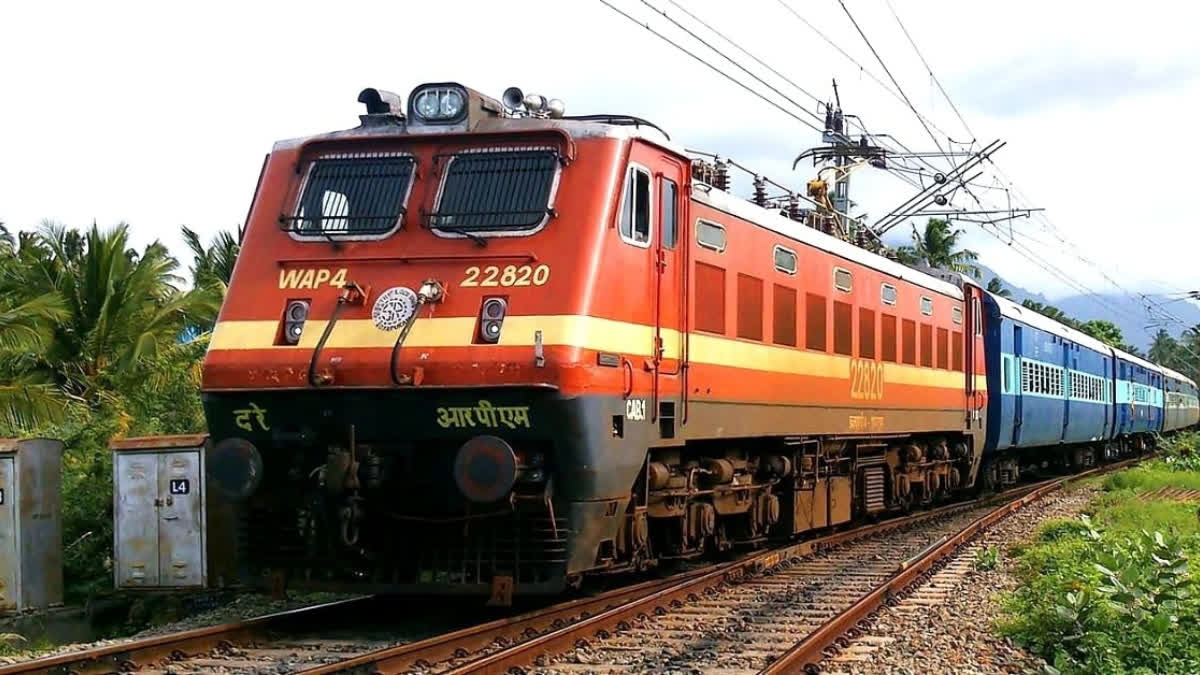
In a significant move towards enhancing railway safety and operational efficiency, the Indian Railways has approved a substantial investment of Rs 398 crore for the establishment of a robust fibre network under the Western Railway zone. This initiative is aimed at bolstering communication capabilities, which are critical for the successful implementation of advanced safety systems such as Kavach.
Kavach, which translates to "armour" in Hindi, is an indigenous automatic train protection system designed to prevent collisions and enhance the safety of train operations. By integrating cutting-edge technology, Kavach provides real-time data to the railway control systems, allowing for timely actions to prevent accidents. The implementation of Kavach is expected to revolutionize railway safety, making it a pivotal component of the Indian Railways' modernization efforts.
The allocation of Rs 398 crore for the fibre network is a part of the broader strategy to upgrade the railway infrastructure across the country. The new fibre optic network will facilitate faster and more reliable communication between trains and control stations, thereby improving the overall functionality of safety systems like Kavach. This investment not only aims to enhance safety but also seeks to increase the efficiency of train operations, reducing delays and improving passenger experience.
Effective communication is the backbone of any operational system, especially in a vast network like Indian Railways, which operates thousands of trains daily across diverse terrains. The new fibre network will provide a high-speed communication channel that is essential for the real-time monitoring of train movements and the execution of safety protocols. This is particularly crucial in areas with challenging geographical conditions where traditional communication methods may falter.
The ultimate goal of enhancing the digital backbone of Indian Railways is to provide passengers with a safer and more reliable travel experience. With the implementation of Kavach and the supporting fibre network, passengers can expect a significant reduction in the likelihood of accidents, as the system is designed to automatically halt trains in emergency situations. This level of safety assurance is expected to instill greater confidence among travelers, encouraging more people to opt for rail travel, which is already one of the most popular modes of transportation in India.
Looking ahead, the establishment of this advanced fibre network and the successful implementation of Kavach can serve as a model for future technological advancements within the Indian Railways. As the government pushes for modernization, projects like these highlight the importance of investing in digital infrastructure to support safety and efficiency. Additionally, the focus on indigenous solutions like Kavach reflects a commitment to self-reliance in technology, aligning with the broader vision of Atmanirbhar Bharat.
Moreover, as Indian Railways continues to explore new technologies, the integration of artificial intelligence and machine learning with safety systems could further enhance operational capabilities. The ongoing commitment to innovation will not only transform the safety landscape of Indian Railways but also position it as a leader in the global railway sector.
The approval of the Rs 398 crore fibre network to support the Kavach system marks a pivotal moment in the evolution of Indian Railways. By investing in digital infrastructure, Indian Railways is taking significant steps towards ensuring the safety and efficiency of its operations. As the initiative unfolds, it is anticipated that it will yield positive outcomes for both the railway system and its passengers, making rail travel a safer and more appealing option for millions across the country.


Loading more news...
You've reached the end of our news feed. Check back later for more updates!