
Business
Invetech & MeMed win 2026 Good Design Award Gold for MeMed Key™
October 9, 2026
2,539 views
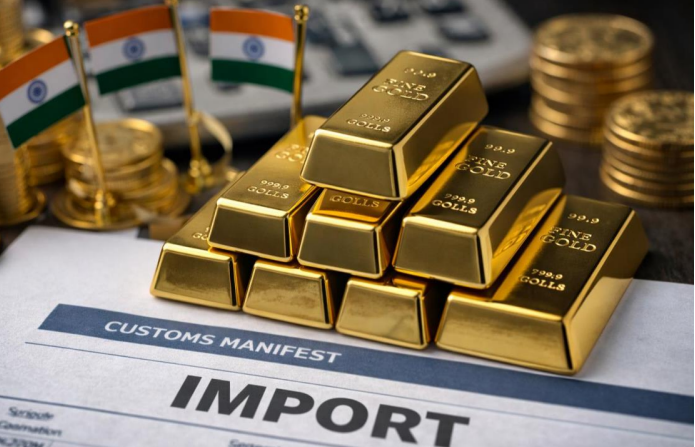
India has moved swiftly to restore stability in its bullion imports trade by reauthorizing 15 banks to resume imports of gold and silver following a temporary disruption caused by delayed government approvals. The decision, effective from April 2026 through March 2029, marks a crucial policy intervention aimed at ensuring continuity in the country’s precious metals market. This strategic move is expected to not only alleviate the backlog that had been building up due to previous restrictions but also bolster investor confidence in India's gold and silver trading ecosystem.
In recent years, India's bullion market has faced significant challenges due to fluctuating policies and regulatory hurdles. The government had implemented temporary restrictions on bullion imports, which led to a backlog of applications and a rise in prices due to reduced supply. This disruption had a ripple effect across various sectors, including jewelry manufacturing, retail, and investment. By reinstating the import permissions, the Indian government aims to address these issues head-on and restore normalcy to the market.
The decision to authorize 15 banks—including major players in the financial sector—highlights the government's commitment to enhancing the operational efficiency of bullion imports. These banks are now equipped to facilitate the import process for gold and silver, which is crucial for meeting domestic demand and maintaining price stability.
The reauthorization is expected to have a profound impact on the Indian precious metals market. With the resumption of imports, analysts predict a decrease in gold prices, which had surged due to the limited availability of bullion. The restoration of import permissions will likely enhance liquidity in the market and provide a more stable pricing environment for consumers and investors alike.
Furthermore, the resumption of bullion imports is anticipated to boost the jewelry sector, which relies heavily on a steady supply of gold and silver. Jewelry manufacturers can now plan their production schedules more effectively, leading to better inventory management and potentially lower prices for consumers.
The clarity provided by the government’s recent decision is expected to enhance investor confidence in the bullion market. Stakeholders, including jewelers, traders, and investors, can now engage in more informed decision-making, knowing that the supply chain will remain uninterrupted for the next several years. This stability is crucial, especially in a market that is sensitive to global price fluctuations and policy changes.
Looking ahead, industry experts believe that the government’s proactive approach could lead to a more robust and resilient bullion market. As India continues to be one of the largest consumers of gold in the world, maintaining a steady supply is vital for both economic growth and cultural practices associated with gold.
Despite the positive outlook, challenges remain. The global bullion market is influenced by various factors, including international prices, geopolitical tensions, and changes in consumer behavior. Additionally, domestic regulations may still pose hurdles in the long run. The government must remain vigilant and responsive to market dynamics to ensure that the benefits of this policy intervention are fully realized.
Moreover, the implementation of stringent regulations and compliance measures is essential to prevent any potential misuse of the reauthorized import permissions. The government will need to work closely with the banking sector to monitor imports and ensure that they align with national interests.
India's decision to restore bullion imports until 2029 is a significant development that promises to stabilize the precious metals market and clear the backlog that had been affecting traders and investors. By reauthorizing 15 banks to facilitate imports, the government has taken a decisive step towards ensuring a steady supply of gold and silver in the country. As the market adjusts to this new normal, stakeholders will be watching closely to see how these changes impact pricing, supply chains, and consumer behavior in the coming years. With the right policies and proactive measures, India can fortify its position as a leading player in the global bullion market.


Loading more news...
You've reached the end of our news feed. Check back later for more updates!