Politics
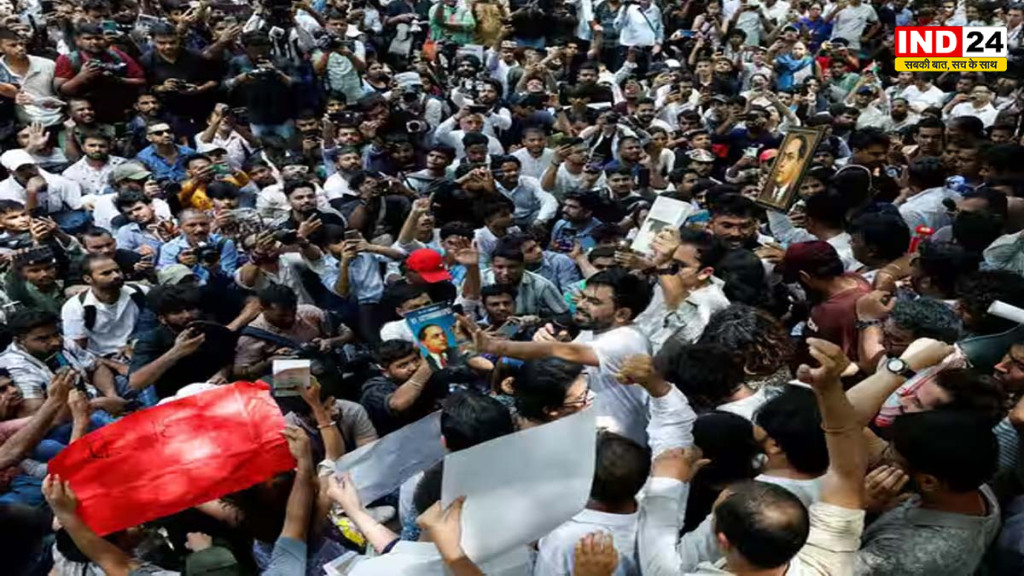
धरना-प्रदर्शनों का नया कारोबार: लोकतंत्र की आड़ में आखिर किसके हित साधे जा रहे हैं?
October 10, 2026
1,612 views
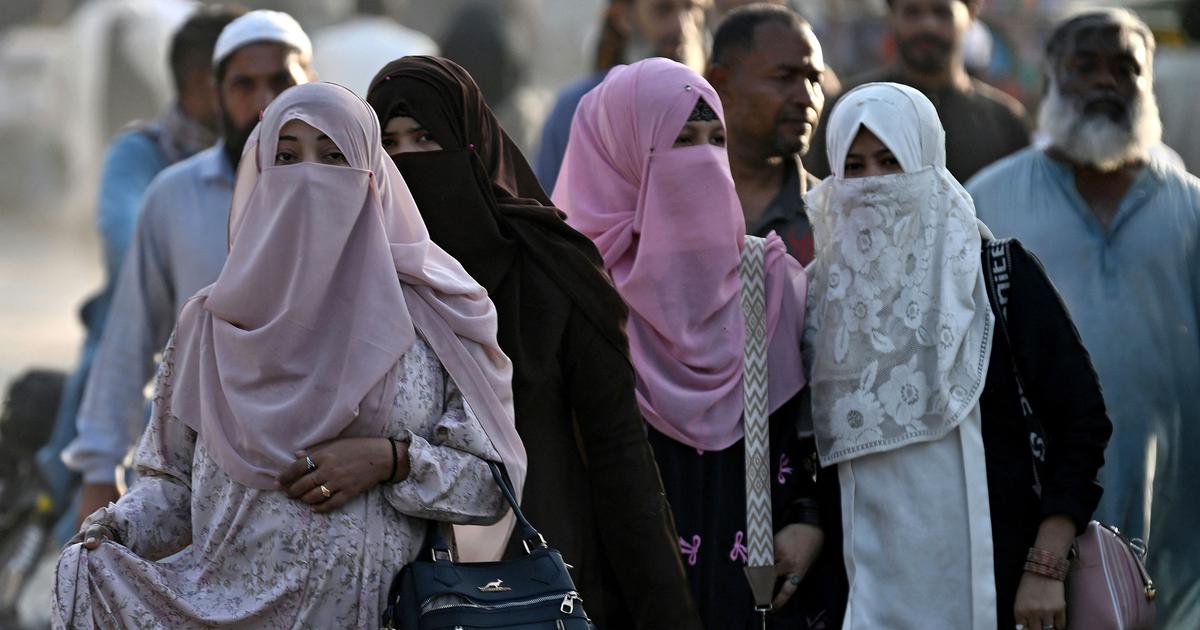
In recent years, the plight of ethnic Bengalis in Pakistan has garnered significant attention. Many Pakistani Bengalis, who have lived in the country for generations, find themselves caught in a bureaucratic quagmire due to the misclassification of their citizenship status. This has led to a myriad of challenges that impact their daily lives and future prospects.
The roots of the issue can be traced back to the partition of India in 1947 and the subsequent creation of Bangladesh in 1971. Following the independence of Bangladesh, many Bengalis who had settled in Pakistan were left in a state of limbo, with their citizenship status often being questioned. While some were able to secure their papers, many others were mistakenly labeled as foreigners, leading to a systematic denial of their rights.
One of the most significant consequences of being classified as a foreigner is the difficulty in accessing education. Many ethnic Bengalis find themselves unable to enroll in schools or universities due to the lack of proper documentation. This educational barrier not only limits their personal development but also hinders the socio-economic growth of entire communities. Employment opportunities are severely impacted as well; many employers require valid citizenship papers, leaving these individuals unable to compete in the job market.
Access to healthcare services is another critical issue faced by the Pakistani Bengali community. Without recognized citizenship, many are denied the right to basic healthcare services. Hospitals and clinics often require proof of citizenship before providing treatment, which can lead to dire consequences, especially in emergency situations. The lack of access to healthcare exacerbates existing vulnerabilities, leading to a cycle of poverty and disenfranchisement.
The challenges extend beyond education and healthcare, affecting social dynamics and familial relationships as well. Many ethnic Bengalis find it challenging to formalize marriages due to the lack of proper documentation. This not only affects personal relationships but also has broader implications for community cohesion and cultural identity. Marriage and family ties are crucial in Pakistani society, and the inability to formalize these bonds due to bureaucratic hurdles creates a sense of alienation among the Bengali community.
In response to these challenges, various human rights organizations and community leaders have begun to advocate for the rights of ethnic Bengalis in Pakistan. Legal battles are being fought to rectify the misclassification of citizenship status, but progress has been slow. Many families are still trapped in a cycle of uncertainty, waiting for the government to address their plight. Activists argue that the government must take concrete steps to recognize the rights of these individuals and ensure that they have access to the same opportunities as other citizens.
For real change to occur, comprehensive policy reforms are necessary. The Pakistani government must undertake a thorough review of the citizenship status of ethnic Bengalis and implement measures to rectify the injustices they face. This includes creating a clear and accessible pathway to citizenship for those who have been wrongly classified as foreigners. Furthermore, awareness campaigns can help educate both the public and government officials about the plight of these communities, fostering a more inclusive society.
Despite the numerous challenges, the ethnic Bengali community in Pakistan continues to demonstrate remarkable resilience. Grassroots organizations are emerging, focusing on empowering young individuals through education and vocational training. These initiatives aim to uplift the community and provide them with the tools necessary to navigate the complexities of their situation. The hope is that through collective action and advocacy, the community can one day achieve the recognition and rights they deserve.
The struggles faced by ethnic Bengalis in Pakistan highlight the broader issues of identity, belonging, and citizenship in a multi-ethnic society. As the country grapples with its diverse demographic landscape, it is imperative that the rights of all citizens, regardless of their ethnic background, are recognized and protected. Ensuring access to education, healthcare, and employment is not just a matter of bureaucratic accuracy; it is a fundamental human right that must be upheld for the betterment of society as a whole.


Loading more news...
You've reached the end of our news feed. Check back later for more updates!