
Business
Invetech & MeMed win 2026 Good Design Award Gold for MeMed Key™
October 9, 2026
2,539 views
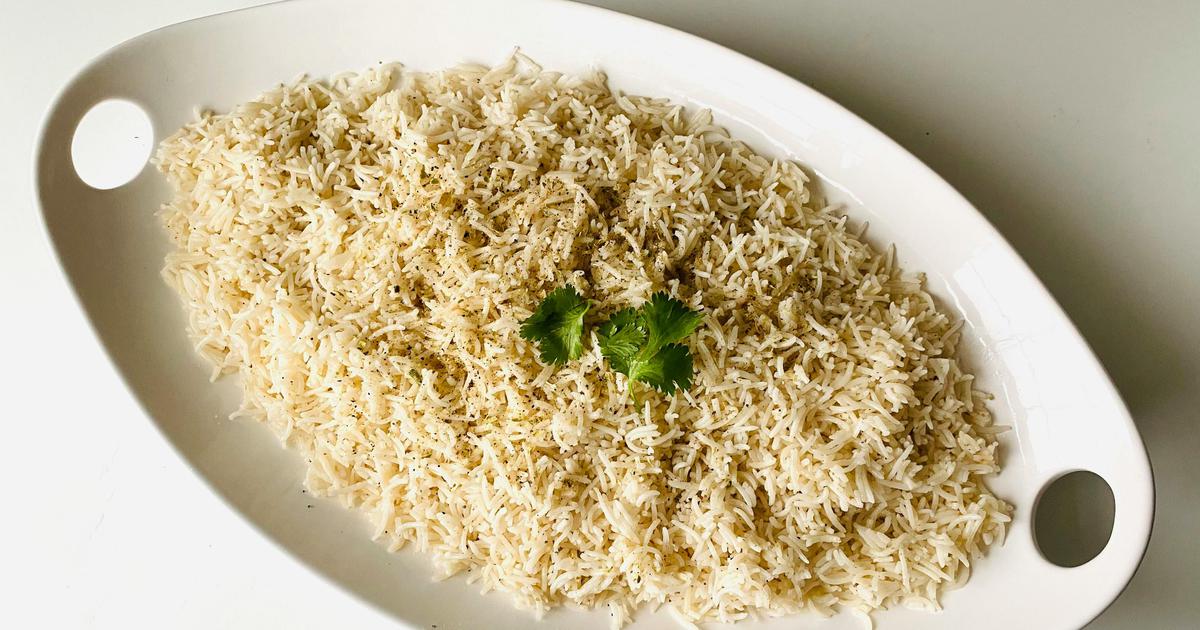
In a world where dietary choices can seem overwhelming, the newly released book ‘What, How Much and How to Eat: Simple and Sustainable’ by nutritionist Amita Gadre emerges as a beacon of clarity. Through her research and expertise, Gadre tackles the longstanding myths surrounding rice, one of the most widely consumed staples globally. With an engaging writing style, she offers readers practical advice on how to enjoy rice without compromising their health.
Rice is often branded as unhealthy due to its carbohydrate content. However, Gadre emphasizes that not all carbohydrates are created equal. Rice, especially whole grain varieties like brown rice and wild rice, can be a beneficial part of a balanced diet. It provides essential nutrients such as vitamins, minerals, and energy, making it an important food source in many cultures.
According to Gadre, “Rice is not the enemy; it is how we consume it that often leads to health issues.” She advocates for a balanced approach, encouraging readers to incorporate rice into meals while being mindful of portion sizes. This approach aligns with modern nutritional science, which suggests that moderation is key.
One of the most significant myths Gadre addresses is the idea that rice contributes to weight gain. Many people fear that consuming rice will lead to obesity, but Gadre points out that weight management is more about overall dietary patterns rather than individual foods. “It’s not about eliminating rice but understanding how it fits into your overall diet,” she explains.
Gadre also tackles the myth that rice is devoid of nutrients. In her book, she provides a detailed breakdown of the nutrients found in various types of rice. For instance, brown rice retains the bran and germ layers, which contain fiber and important nutrients like magnesium and B vitamins. By choosing whole-grain options, consumers can enjoy the health benefits rice has to offer.
Gadre shares several practical tips for incorporating rice into a healthy diet. First, she suggests being mindful of portions. A serving size of cooked rice is typically around half a cup, which can be easily paired with vegetables and protein to create a balanced meal. This combination not only enhances the meal's nutritional profile but also increases satiety.
Another key point is the method of preparation. Cooking rice in a way that minimizes added fats and sugars can further enhance its health benefits. Gadre recommends steaming or boiling rice instead of frying it, and avoiding excessive amounts of salt or sauces that can add unnecessary calories.
Gadre’s book also explores the cultural significance of rice in various cuisines. From the fragrant basmati rice of India to the sticky rice of Southeast Asia, rice plays a vital role in many traditional dishes. By understanding the cultural context, readers can appreciate not only the nutritional value of rice but also its importance in bringing people together.
In her exploration of global rice dishes, Gadre encourages readers to experiment with different types of rice and recipes. “Variety is essential in a healthy diet,” she notes, suggesting that mixing different rice varieties can enhance both flavor and nutrition.
Aside from the nutritional aspects, ‘What, How Much and How to Eat’ also delves into sustainability. Gadre highlights the importance of choosing rice varieties that are grown sustainably, as rice production can have significant environmental impacts. By opting for organic or locally sourced rice, consumers can support sustainable farming practices while enjoying their meals.
Moreover, she emphasizes the importance of mindful consumption. By reducing food waste and making conscious choices about food sourcing, consumers can contribute to a healthier planet. This holistic approach to nutrition not only benefits individual health but also has far-reaching effects on the environment.
Amita Gadre’s ‘What, How Much and How to Eat: Simple and Sustainable’ serves as a valuable resource for anyone looking to navigate the complexities of modern nutrition. By dispelling myths about rice and promoting moderation, Gadre encourages readers to embrace this staple food in a manner that supports both their health and the health of the planet.
In a time when dietary advice can often feel contradictory, Gadre’s book provides a refreshing perspective that empowers readers to make informed choices. With practical tips, cultural insights, and a focus on sustainability, this book is an essential read for those looking to cultivate a healthier relationship with food.


Loading more news...
You've reached the end of our news feed. Check back later for more updates!