Politics
धरना-प्रदर्शनों का नया कारोबार: लोकतंत्र की आड़ में आखिर किसके हित साधे जा रहे हैं?
October 10, 2026
1,612 views
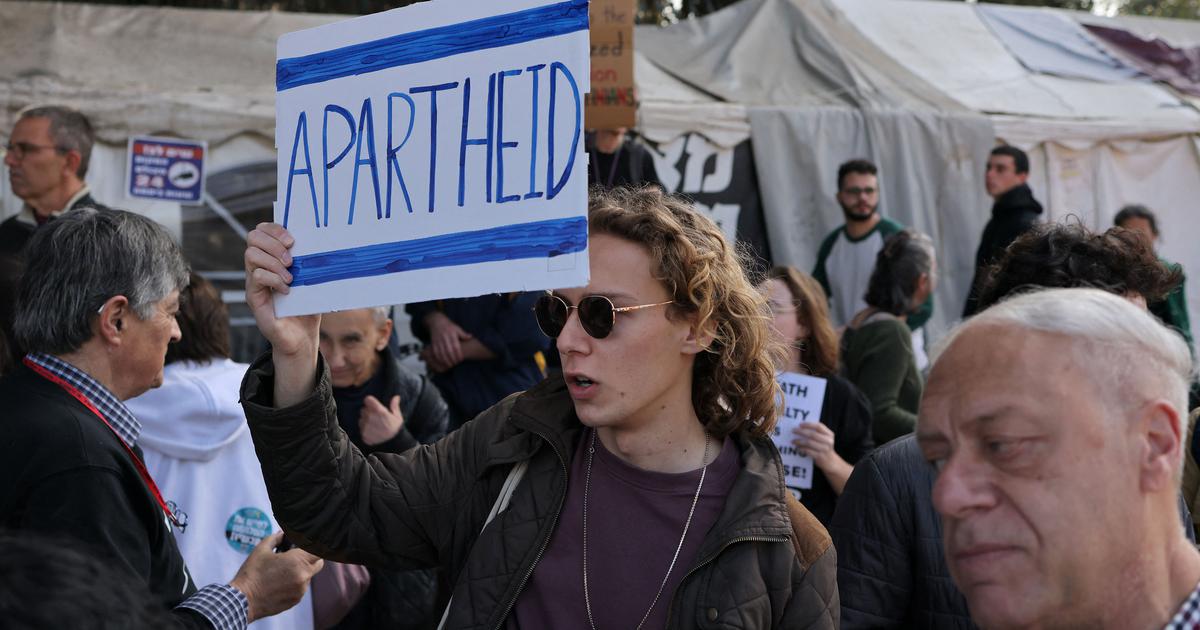
In his thought-provoking new book, ‘Israel: What Went Wrong?’, acclaimed genocide scholar Omer Bartov delves deep into the historical and ideological evolution of Zionism within the context of modern Israel. Bartov, known for his incisive analysis of violence and its societal impacts, explores how the foundational ideals of Zionism have undergone a significant transformation over the years, often diverging from their original intentions and leading to complex socio-political realities.
Zionism began as a nationalist movement aimed at establishing a Jewish homeland in Palestine, driven by centuries of persecution and a desire for self-determination. Bartov traces the roots of this movement back to the late 19th century, highlighting key figures like Theodor Herzl, whose vision sparked a mobilization of Jewish communities worldwide. However, Bartov argues that the early aspirations of Zionism—centered on peaceful coexistence and mutual recognition—have evolved into a more exclusionary and militarized ideology that often overlooks the rights and narratives of the Palestinian people.
As Bartov analyzes the political landscape of Israel today, he points out that the original ideals of Zionism have been reshaped by various factors, including ongoing conflict, political power struggles, and external pressures. The book argues that what was once a movement for liberation has, for many, devolved into a justification for oppression. This shift is not merely an academic observation; it has tangible consequences on the lives of millions, as the realities of occupation and settlement policies continue to affect both Israeli and Palestinian populations.
Throughout ‘Israel: What Went Wrong?’, Bartov also examines how culture and memory play crucial roles in the ongoing conflict. He discusses how Israeli art, literature, and media often reflect the complexities of identity and the narratives surrounding trauma and resilience. By highlighting the voices of those who challenge the dominant narratives, Bartov illustrates the potential for a more nuanced understanding of history that acknowledges the suffering of all parties involved.
The book has garnered attention not just for its scholarly rigor but also for its willingness to confront uncomfortable truths. Critics have praised Bartov for his balanced approach, emphasizing the importance of dialogue and mutual understanding in resolving the Israeli-Palestinian conflict. Reviews highlight how ‘Israel: What Went Wrong?’ encourages readers to engage critically with the complexities of national identity and the moral imperatives of justice.
In a world increasingly polarized by nationalism and conflict, Bartov’s work serves as a poignant reminder of the need for self-reflection within national movements. ‘Israel: What Went Wrong?’ is not just a historical analysis; it is a call to action for both Israelis and Palestinians to reconsider their narratives and strive for a peaceful coexistence that respects the rights and histories of all peoples involved. As the debate over Zionism and its implications continues to evolve, Bartov’s insights offer a valuable framework for understanding the complexities at play in one of the world’s most enduring conflicts.


Loading more news...
You've reached the end of our news feed. Check back later for more updates!