
Technology
Call of Duty: Modern Warfare 4 – Captain Price's Fate Explained
October 16, 2026
1,257 views
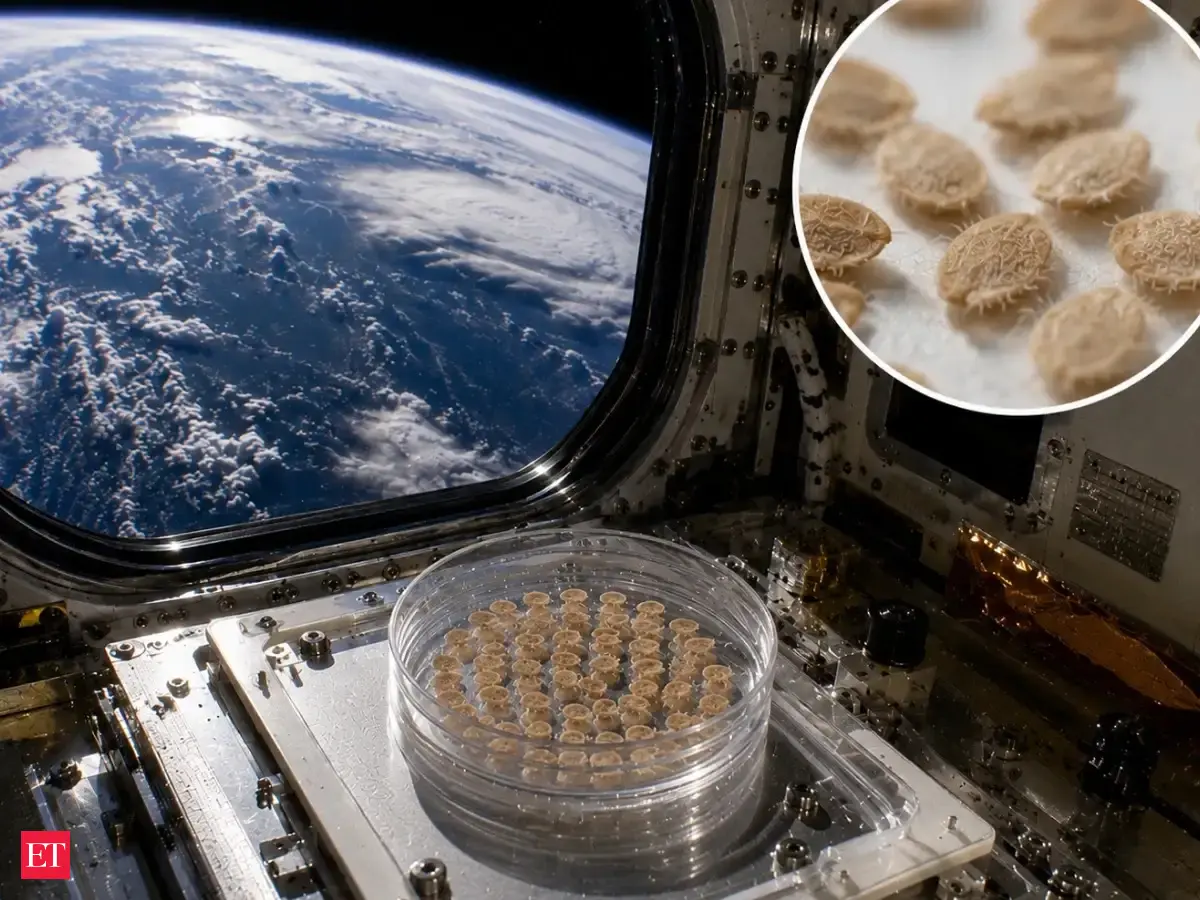
In 1990, a significant milestone was achieved in space exploration and agricultural science when NASA successfully recovered tomato seeds that had been aboard the Long Duration Exposure Facility (LDEF) for nearly six years. This historic event not only marked a remarkable achievement for the scientific community but also paved the way for a new generation of young scientists eager to explore the mysteries of space and its effects on biological materials. The LDEF, designed to study the effects of long-term exposure to the space environment, provided a unique opportunity to examine how seeds would react to the harsh conditions of space, including cosmic radiation and microgravity.
The Rutgers tomato seeds were selected for this ambitious project due to their well-documented growth patterns and nutritional value. Once the seeds returned to Earth, they were subjected to rigorous classroom experiments designed to engage students in hands-on scientific inquiry. Millions of students across the United States participated in this initiative, planting both seeds that had been exposed to space conditions and control seeds that had remained on Earth.
This experiment was not just about the science; it was also about inspiring the next generation of scientists. Teachers incorporated the seed germination project into their science curricula, allowing students to actively engage in the scientific method. They learned to formulate hypotheses, conduct experiments, and analyze data, all while cultivating a deeper understanding of the relationship between space and agriculture.
Observations from the classroom experiments revealed some fascinating results. The seeds that had been exposed to the unique conditions of space germinated at a rate of 73.8%, compared to a slightly lower rate of 70.3% for the Earth control seeds. This difference, albeit small, suggested that the seeds' exposure to space may have had a positive effect on their viability and growth potential.
Notably, the space-exposed seeds not only germinated at a higher rate but also demonstrated a faster germination pace. This observation raised intriguing questions about the resilience and adaptability of seeds in extreme environments. It challenged existing notions about the limits of biological materials and offered new insights into the possibilities of growing food in space, a crucial consideration for future long-duration space missions, such as those to Mars.
The findings from this experiment have far-reaching implications for the field of space agriculture. As humanity looks to the stars and contemplates long-term habitation on other planets, the ability to grow food in space becomes paramount. Understanding how seeds respond to space conditions can inform agricultural practices on spacecraft and extraterrestrial colonies, ensuring that future astronauts have access to fresh produce and vital nutrients.
NASA's experiments with seeds are just the beginning. Future missions are likely to investigate a wider variety of crops and explore more extended exposure periods to determine the long-term effects of space conditions on plant biology. These studies will be essential for developing sustainable life-support systems that will allow humans to thrive beyond Earth.
The impact of the tomato seed experiment extends beyond scientific discovery; it serves as a powerful tool for education and inspiration. By involving students in this groundbreaking research, NASA has fostered curiosity and enthusiasm for science, technology, engineering, and mathematics (STEM) fields. The experiment has not only provided tangible results but also ignited a passion for exploration and discovery among young learners.
As more schools adopt hands-on scientific programs, the hope is that they will encourage students to pursue careers in STEM disciplines. By bridging the gap between theoretical knowledge and practical application, initiatives like the tomato seed experiment play a pivotal role in shaping the scientists and innovators of tomorrow.
NASA's recovery of tomato seeds from the LDEF marks a significant achievement in understanding the effects of space on biological materials. The successful germination rates of these seeds, coupled with the enthusiastic participation of millions of students, demonstrate the potential for space research to inspire and educate. As humanity continues to explore the cosmos, the lessons learned from this experiment will undoubtedly influence future agricultural practices in space and encourage a new generation of scientists to dream big.
In conclusion, the journey of the Rutgers tomato seeds serves as a reminder of the incredible possibilities that lie ahead. With continued research and exploration, we may one day cultivate bountiful gardens on distant planets, ensuring that the human spirit of discovery and innovation thrives among the stars.


Loading more news...
You've reached the end of our news feed. Check back later for more updates!