Politics
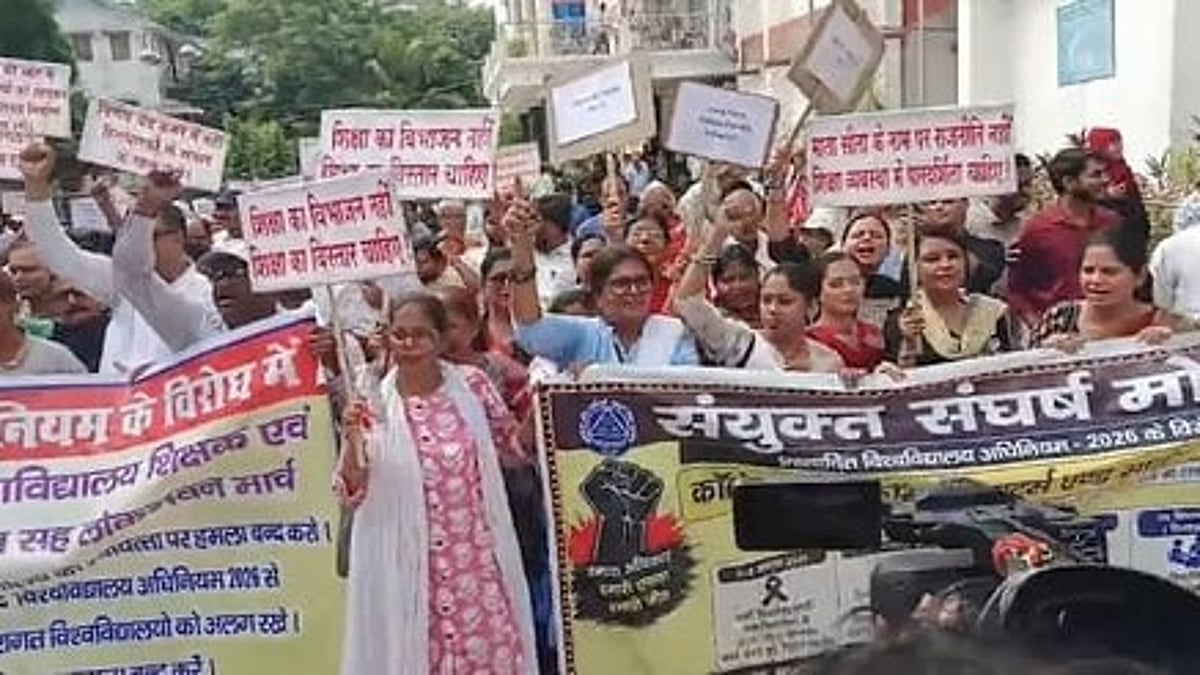
Bihar: Over 50 held in protest against Mata Sita women’s university
October 10, 2026
1,707 views

In a significant development in Dhar, the local administration has officially resealed the Imambara following the conclusion of a court-sanctioned period for Muharram observance. This decision comes in the wake of a temporary allowance granted by the court, enabling the Muslim community to conduct their rituals and traditions during this important period. The resealing of the Imambara, a vital religious site for the local Muslim population, has been carried out in strict adherence to legal directives and with the presence of local authorities to ensure peace and order.
The court's intervention was aimed at balancing the needs of the Muslim community to observe Muharram—a month of mourning and reflection commemorating the martyrdom of Imam Hussain—with the broader considerations of public safety and communal harmony. The ruling was welcomed by many in the community, as it allowed them to engage in their sacred practices, which include prayers, processions, and other religious observances. The period of observance was meticulously planned, with community leaders working closely with law enforcement to ensure that everything proceeded smoothly.
As the resealing took effect, a substantial police presence was established around the Imambara to preempt any potential unrest or disorder. The police were on high alert, ready to respond to any developments that might threaten the peace in the area. This proactive approach by the administration aimed to reassure the public that safety was a priority, especially in a context where communal tensions can sometimes flare up.
The presence of senior administrative officials and elders from the Muslim community during the resealing operation underscored the importance of cooperation and dialogue between different stakeholders. Their involvement served to emphasize a commitment to maintaining harmony, while also respecting the cultural and religious practices of the community.
The elders from the Muslim community played a critical role in fostering a spirit of understanding and cooperation during this sensitive time. By being present during the resealing, they not only advocated for their community’s rights but also demonstrated a willingness to collaborate with authorities. This kind of engagement is vital in building trust and ensuring that community needs are met within the framework of the law.
During the Muharram observance, many community members participated in various activities, including recitations of religious texts, communal prayers, and discussions on the significance of the month. The atmosphere was one of reverence and solemnity, reflecting the deep-rooted traditions associated with this time of year. The court's decision to allow these observances was seen as a recognition of the cultural identity and religious expressions of the community.
The resealing of the Imambara marks a pivotal moment for the Muslim community in Dhar. It highlights the ongoing challenges faced by various religious groups in navigating their rights and freedoms in a diverse society. As the local administration continues to manage religious observances, it will be essential to foster an environment of dialogue and understanding.
Moving forward, the local government may need to consider establishing clearer guidelines for religious observances, ensuring that they can take place without conflict while also maintaining public order. Engaging with community leaders from various faiths can help pave the way for more inclusive practices that respect all religious traditions. This proactive approach can contribute to a more harmonious society, where different communities can celebrate their beliefs without fear of repercussions.
The recent resealing of the Imambara after the court-permitted Muharram observance serves as a reminder of the importance of balancing religious freedom with community safety. The actions taken by the local administration, along with the involvement of community leaders, showcase a commitment to fostering peace and understanding in a diverse society. As the situation evolves, continued dialogue among all stakeholders will be crucial in ensuring that the rights of the Muslim community—and indeed all communities—are upheld while maintaining public order.
Ultimately, the events in Dhar highlight both the challenges and opportunities that come with managing religious observances in a multicultural landscape. By prioritizing communication, respect, and cooperation, communities can navigate the complexities of religious expression and coexist harmoniously.


Loading more news...
You've reached the end of our news feed. Check back later for more updates!