Politics
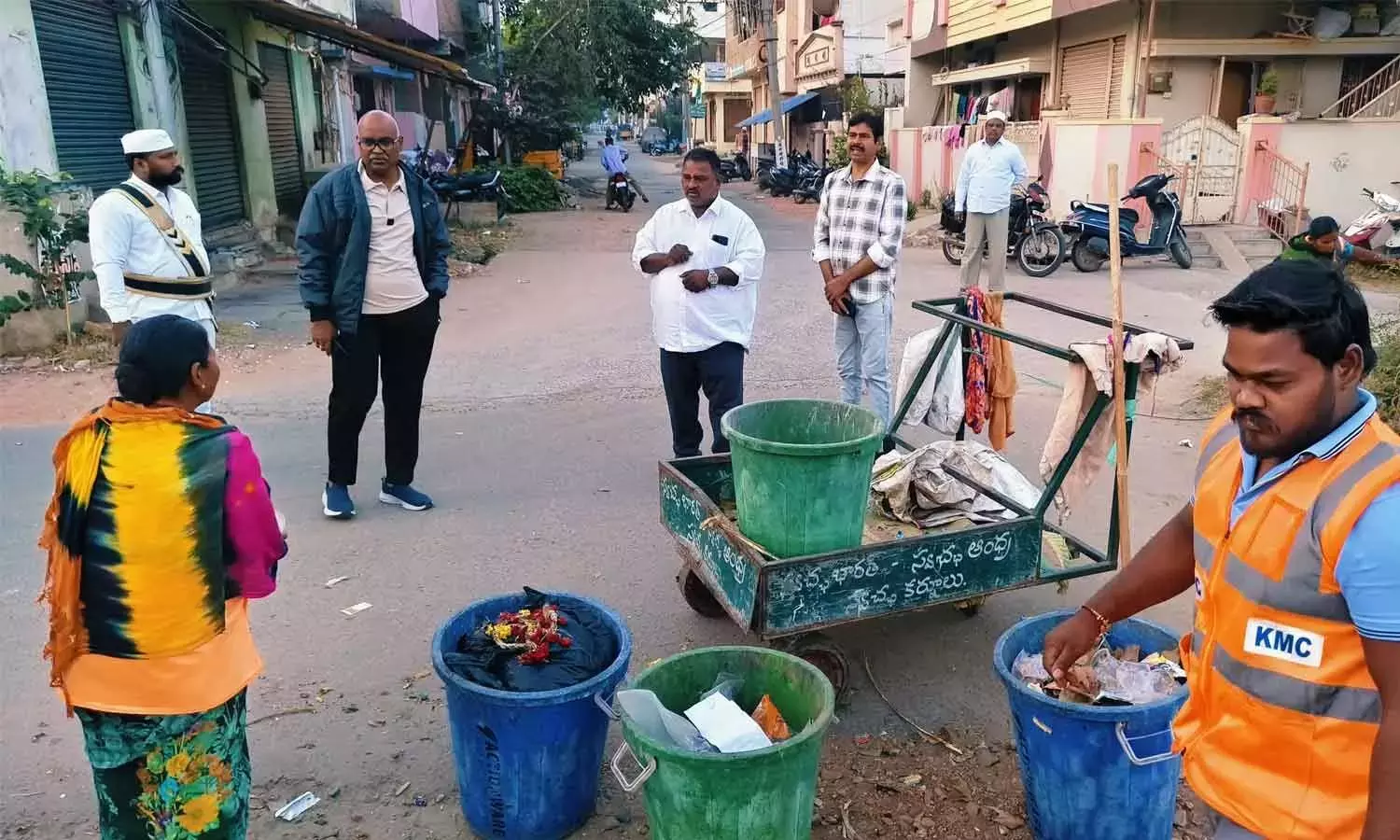
स्वच्छता कार्य में लापरवाही पर कड़ी कार्रवाई होगी: केएमसी आयुक्त
November 19, 2026
2,481 views
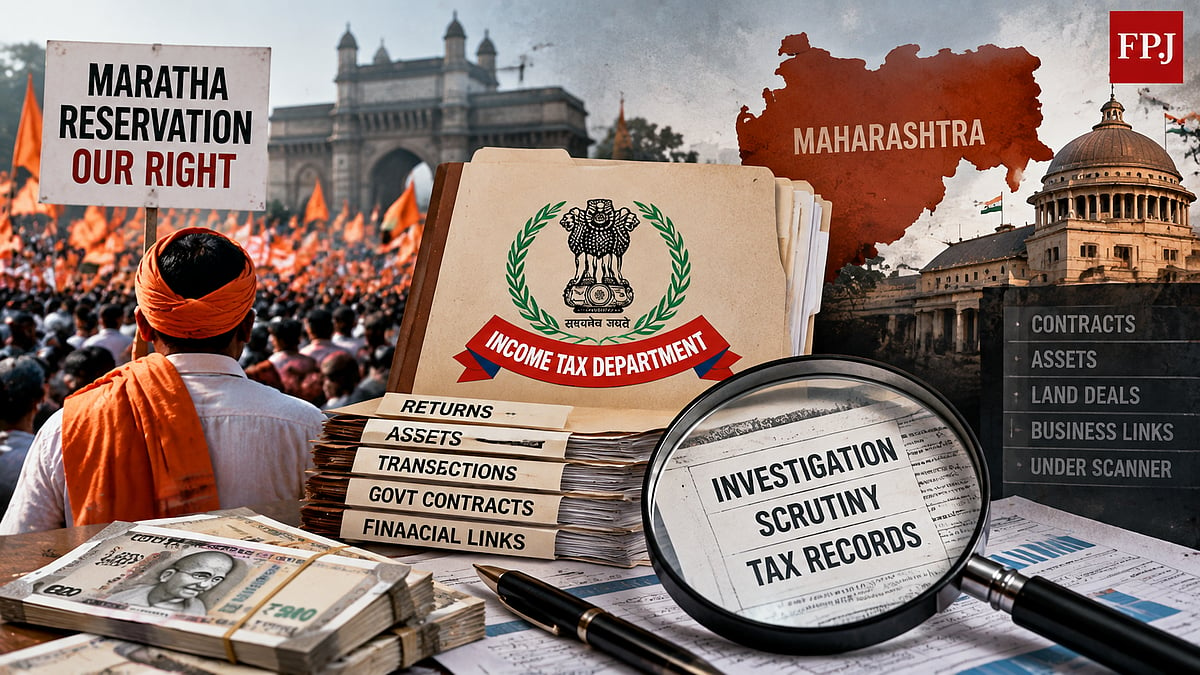
In a significant escalation of its investigation, the Income Tax Department has embarked on a comprehensive review of the financial dealings of various leaders associated with the Maratha reservation agitation in Maharashtra. This sweeping inquiry comes in response to growing concerns about the funding and financial transparency of the movement, which has seen widespread protests demanding reservation quotas for the Maratha community in education and government jobs.
Sources within the Income Tax Department have confirmed that the scrutiny extends beyond just the leaders of the agitation. It encompasses their relatives, associates, and even various organizations that have provided support to the movement. The investigation aims to uncover potential irregularities in tax returns, assess the legitimacy of reported assets, and examine a series of transactions that could indicate financial misconduct.
The multi-year review is thorough and methodical, focusing on a range of financial records. Officials are particularly interested in the following areas:
The Maratha agitation has been a pivotal issue in Maharashtra's socio-political landscape, with significant implications for the community's aspirations. As the investigation unfolds, it raises questions about the potential fallout for the movement itself and its leaders. Observers note that while the agitation has rallied substantial public support, allegations of financial impropriety could undermine its legitimacy and cause divisions within the community.
The public reaction to the Income Tax Department's probe has been mixed. Supporters of the Maratha reservation demand that the investigation be transparent and fair, fearing that political motives could be at play. Critics, on the other hand, argue that this scrutiny is necessary to ensure accountability and to prevent any misuse of funds raised during the protests.
Political analysts suggest that the ongoing investigation could have far-reaching implications for the Maharashtra government as well. If evidence of financial misconduct is uncovered, it may lead to calls for accountability among political leaders who have aligned themselves with the Maratha cause. Additionally, it may affect the upcoming elections, as voters consider the integrity of candidates associated with the agitation.
The future of the Maratha reservation movement now hangs in a delicate balance. As leaders continue to advocate for their demands, the backdrop of a financial investigation could complicate their efforts. The need for transparency and ethical conduct has never been more critical for maintaining public trust and support. While the agitation has spotlighted the socio-economic challenges faced by the Maratha community, the ongoing scrutiny emphasizes the importance of financial integrity in social movements.
In conclusion, the Income Tax Department's investigation into the financial records of Maratha agitation leaders marks a crucial turning point in this ongoing saga. As the probe delves into finances, government contracts, sand-mining operations, and land assets, it not only seeks to uncover potential wrongdoing but also poses significant questions about the future of the Maratha reservation movement. As stakeholders await further developments, the outcome of this investigation will likely shape the political landscape of Maharashtra for years to come.


Loading more news...
You've reached the end of our news feed. Check back later for more updates!