
Technology
Udhampur News: लंबित इंतकाल मामलों के जल्द निपटारे के निर्देश
October 9, 2026
3,222 views
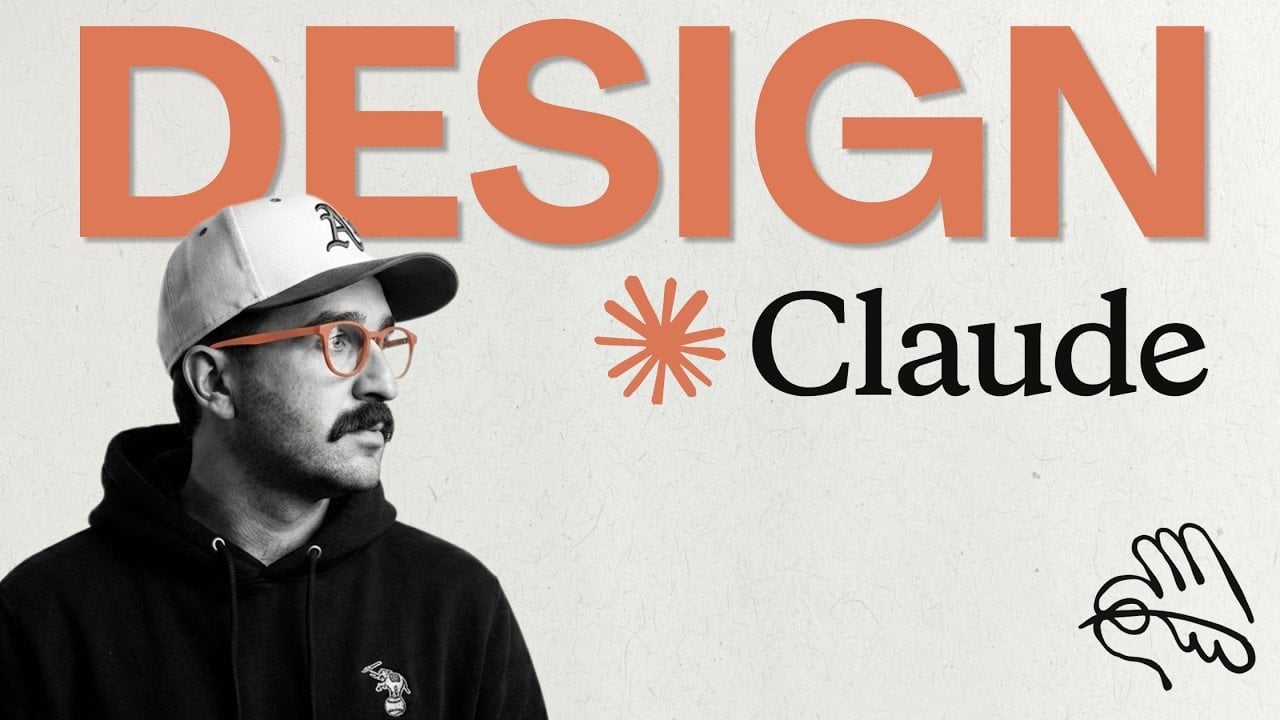
In the ever-evolving landscape of design and technology, Claude Design, developed by Anthropic Labs, is making significant waves in the field of prototyping. This innovative tool leverages the advanced capabilities of the Claude Opus 4.7 engine to provide a conversational AI platform tailored for creative workflows. As designers and teams strive to bring their visions to life, Claude Design stands out by allowing users to generate prototypes, wireframes, and mockups simply by describing their ideas in natural language. This revolutionary approach not only streamlines the design process but also empowers users to engage with technology in a more intuitive manner.
Prototyping has traditionally been a complex and time-consuming process, often requiring extensive technical knowledge and design skills. However, with Claude Design, Anthropic Labs aims to democratize the design process, making it accessible to a broader audience. Users can interact with the platform using conversational inputs, eliminating the need for intricate coding or design software expertise. This user-friendly interface allows designers, marketers, and even individuals with no formal design training to bring their ideas to fruition efficiently.
One of the standout features of Claude Design is its real-time editing capability. This function allows users to make instantaneous changes to their designs, providing immediate feedback and enhancing the collaborative process. Whether working independently or as part of a team, the ability to see updates in real-time helps ensure that everyone is aligned and on the same page regarding the vision of the project.
Additionally, Claude Design integrates seamlessly with existing brand assets, enabling users to maintain brand consistency throughout their prototypes. This feature is particularly beneficial for businesses looking to uphold their brand identity while developing new products or marketing materials. By allowing users to incorporate logos, color schemes, and other brand elements directly into their designs, Claude Design streamlines the workflow and reduces the risk of inconsistencies that can arise when working with external design tools.
The conversational interface of Claude Design not only fosters creativity but also enhances productivity. Users can articulate their ideas and receive instant visual representations, transforming abstract concepts into tangible designs in a matter of minutes. This rapid prototyping capability is a game-changer for creative teams, as it allows for quicker iterations and a more agile approach to design.
Moreover, the platform's AI-driven suggestions can help inspire users by proposing design elements that align with current trends or established best practices. This feature not only aids in overcoming creative blocks but also encourages users to explore new avenues they may not have considered otherwise. As a result, Claude Design serves not just as a tool for execution but as a catalyst for innovation and creativity.
The implications of Claude Design extend far beyond individual projects. Businesses across various industries are beginning to recognize the value of integrating AI-driven design tools into their workflows. From startups launching new products to established companies revamping their marketing strategies, the ability to prototype quickly and efficiently is becoming a crucial competitive advantage. For instance, marketing teams can utilize the platform to create mockups for campaigns, allowing them to visualize and adjust their strategies before committing to production.
Furthermore, educational institutions and design schools are also embracing Claude Design as a teaching tool. By introducing students to AI-driven design platforms, educators can equip the next generation of designers with the skills and knowledge necessary to navigate the increasingly digital landscape of creative work.
As technology continues to advance, the potential for tools like Claude Design to reshape the prototyping landscape is immense. With ongoing updates and improvements to the Claude Opus engine, users can expect even more powerful features and capabilities in the future. The integration of machine learning and AI will likely lead to more personalized design experiences, further enhancing the creative process.
In conclusion, Claude Design by Anthropic Labs is not just another design tool; it is a transformative platform that is fundamentally changing how we approach prototyping. By combining the power of AI with a user-friendly interface, Claude Design empowers users to unlock their creativity and bring their ideas to life like never before. As more individuals and organizations adopt this innovative tool, the prototyping game will undoubtedly continue to evolve, paving the way for new possibilities in design and creative workflows.

Loading more news...
You've reached the end of our news feed. Check back later for more updates!