
Business
Invetech & MeMed win 2026 Good Design Award Gold for MeMed Key™
October 9, 2026
2,539 views
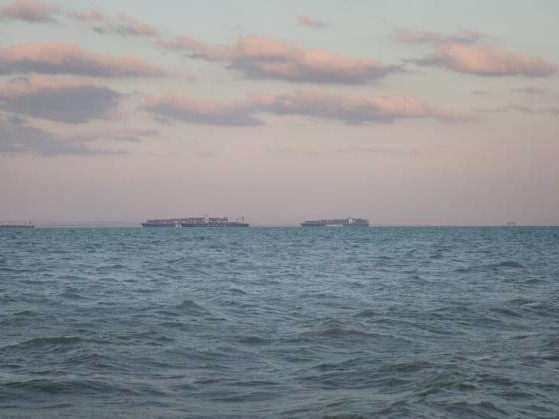
Yemen's Houthi movement has escalated tensions in the Middle East by launching a coordinated attack on the Saudi oil tanker Amzan in the Red Sea. This incident, which occurred off the coast of Yanbu on Monday, involved a mix of ballistic missiles and drones, as confirmed by the Iran-aligned militant group. Shortly after the attack, the Saudi government acknowledged the incident, with the shipping company Bahri verifying that its vessel was indeed subjected to hostile actions in the region.
The military spokesman for the Houthi rebels, Yahya Saree, stated that the operation was meticulously planned and executed. He emphasized that the use of advanced weaponry, including ballistic missiles and drones, reflects the group’s growing capabilities in maritime warfare. The Houthis have framed their actions as a response to the ongoing conflict in Yemen and what they perceive as Saudi aggression against their homeland. This attack marks a significant escalation in the ongoing hostilities, particularly given the strategic importance of the Red Sea for global shipping routes.
The Red Sea is a crucial maritime corridor for oil transport and international trade. Attacks on vessels in these waters could have far-reaching implications for global oil prices and maritime security. The Saudi government has previously warned about the potential for increased aggression from the Houthis, especially as they receive support from Iran. Analysts suggest that such incidents could provoke a stronger military response from Saudi Arabia, potentially leading to an escalation of conflict in the region.
In response to the attack, Saudi officials have reiterated their commitment to protecting their maritime interests. The Saudi Ministry of Defense is expected to conduct a thorough investigation into the incident and may increase naval patrols in the region to deter further assaults. Saudi Arabia's reliance on oil exports makes the security of its maritime routes a top priority, and any threat to its shipping vessels could trigger a decisive military reaction. Additionally, the kingdom may seek to rally international support against the Houthi threat, emphasizing the need for a united front to ensure the safety of global shipping lanes.
The international community has been closely monitoring the situation, with various countries expressing concern over the escalating tensions in the Red Sea. The United Nations has called for restraint from both parties, urging a peaceful resolution to the conflict in Yemen. Analysts warn that continued hostilities could destabilize the region further, with potential consequences for global energy markets and geopolitical stability.
The attack on the Amzan is a reminder of the ongoing civil war in Yemen, which has drawn in multiple regional powers. The Houthis, who control significant parts of northern Yemen, have been fighting against a Saudi-led coalition that intervened in the conflict in 2015. The war has resulted in one of the world's worst humanitarian crises, with millions of Yemenis facing famine and lack of basic services.
As the conflict continues, the Houthis have increasingly targeted Saudi Arabia and its interests, employing a range of tactics from drone strikes to missile attacks. The recent events in the Red Sea highlight the Houthis’ capacity to project power beyond Yemen's borders, raising the stakes for Saudi Arabia and its allies.
The missile and drone attack on the Saudi oil tanker Amzan is a significant development in the ongoing conflict between the Houthis and Saudi Arabia. As tensions rise in the Red Sea, the potential for further military engagements increases, raising alarms about the implications for international shipping and regional stability. The international community must address the root causes of the conflict to prevent further escalation and ensure the safety of maritime routes critical to global trade. The situation remains fluid, and all eyes will be on Saudi Arabia's next moves in response to this provocative action.


Loading more news...
You've reached the end of our news feed. Check back later for more updates!