Politics
स्वच्छता कार्य में लापरवाही पर कड़ी कार्रवाई होगी: केएमसी आयुक्त
November 19, 2026
2,481 views
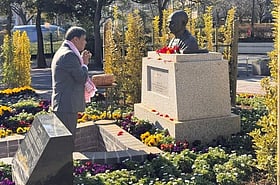
In a significant event commemorating the legacy of Mahatma Gandhi, Himanta Biswa Sarma, the Chief Minister of Assam, emphasized the relevance of Gandhi’s principles in contemporary India. Speaking at a function organized to observe Gandhi Jayanti, Sarma highlighted the importance of Swadeshi (self-reliance) and Atmanirbharta (self-sufficiency) as guiding principles for India's development. He remarked that as the nation progresses, it is essential to integrate Gandhi’s vision into the socio-economic fabric of the country.
While addressing the gathering, Sarma articulated that Gandhi's philosophy of self-sufficiency is particularly pertinent today, as India strives to become a global leader. He stated, "India, guided by Gandhi’s vision, is moving towards a new era of Swadeshi and Atmanirbharta." This assertion reflects the government's commitment to fostering local industries and promoting self-reliance among rural communities.
Sarma noted that Gandhi’s emphasis on rural development and self-sustained communities remains a cornerstone for modern policies aimed at uplifting marginalized sections of society. He elaborated on how the integration of these principles can effectively combat economic disparities and promote inclusive growth.
Swadeshi, a term that gained prominence during India's struggle for independence, refers to the use of domestic products and services to strengthen the local economy. In the current context, Sarma urged citizens to embrace this ideology by supporting local artisans, farmers, and businesses. He believes that fostering a culture of Swadeshi can lead to significant economic benefits, including job creation and sustainable livelihoods.
“By promoting local products, we are not just supporting our economy; we are also preserving our cultural heritage,” Sarma emphasized. He called for a collective effort to revive traditional crafts and promote indigenous goods, which he believes are essential for the socio-economic upliftment of rural areas.
Atmanirbharta, or self-sufficiency, is another crucial aspect that Sarma discussed during his address. He outlined how the initiative aims to reduce dependence on imports while boosting domestic manufacturing. The Chief Minister pointed out that this approach is vital for India’s resilience, especially in the wake of global challenges such as the COVID-19 pandemic.
Sarma stated, “An Atmanirbhar Bharat is not just a dream; it is a necessity for our survival and growth in the global economy.” He encouraged all sectors, including agriculture, textiles, and technology, to innovate and enhance productivity to achieve self-reliance.
To realize the vision of Swadeshi and Atmanirbharta, Sarma stressed the importance of community engagement. He urged local governments and organizations to work hand-in-hand with communities to identify their needs and harness local resources. By doing so, he believes that sustainable development can be achieved, ensuring that the benefits of growth reach every corner of society.
Moreover, Sarma highlighted the role of education and skill development in empowering individuals to contribute effectively to their communities. He proposed initiatives that focus on training the youth in traditional crafts and modern technologies, ensuring that they are equipped to thrive in a rapidly evolving job market.
In conclusion, Himanta Biswa Sarma's tribute to Mahatma Gandhi serves as a timely reminder of the enduring relevance of his teachings in today’s context. As India embarks on a journey towards self-reliance, the principles of Swadeshi and Atmanirbharta will be pivotal in shaping a resilient and inclusive economy.
Sarma’s call to action resonates with the need for collective responsibility among citizens, businesses, and governments alike. By fostering a culture of self-sufficiency, promoting local products, and engaging communities, India can honor Gandhi's legacy while building a prosperous future for all.


Loading more news...
You've reached the end of our news feed. Check back later for more updates!