Science
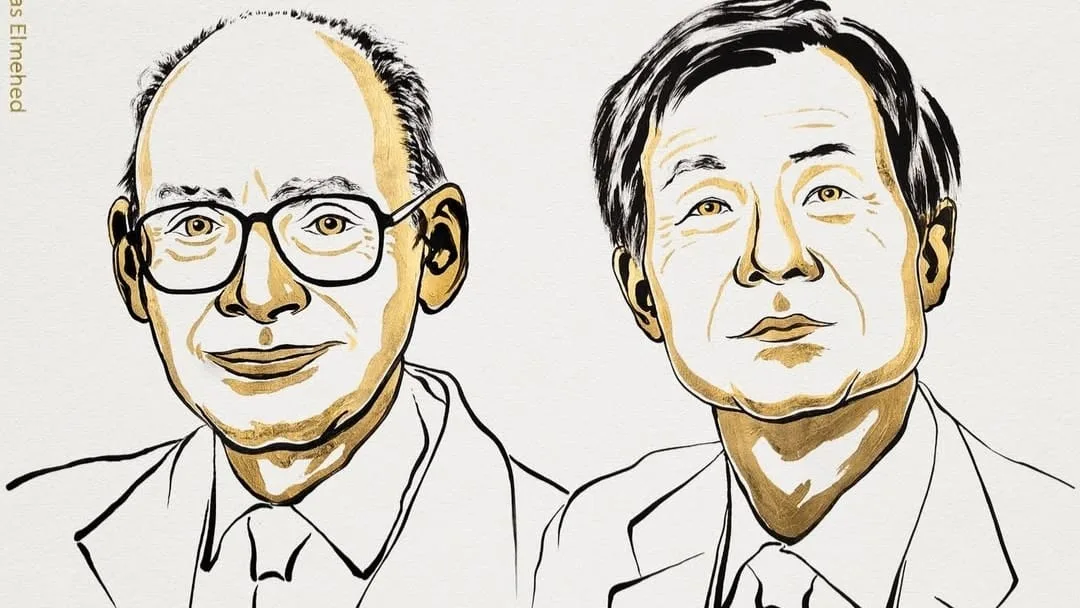
Henri Kagan wins Nobel Prize at 95: Check out his contributions to chemistry and pharmacy
October 9, 2026
2,834 views
Haryana uses AI to speed up TB elimination: Senior official

In a pioneering move, the state of Haryana is leveraging the power of Artificial Intelligence (AI) to tackle one of the most pressing public health challenges: tuberculosis (TB). With a commitment to making the state TB-free, Haryana is implementing three innovative AI tools that are revolutionizing the detection and management of this infectious disease.
The first and foremost advantage of utilizing AI in the fight against TB is its capability to detect cases at an early stage. Traditional methods of diagnosis often lead to delays, allowing the disease to spread within communities. By employing advanced algorithms and machine learning techniques, these AI tools analyze vast amounts of health data quickly and accurately. This enables healthcare providers to identify potential TB cases before symptoms worsen, ultimately saving lives and reducing the burden on the healthcare system.
Another critical aspect of managing tuberculosis is ensuring that patients adhere to their treatment regimens. AI-powered monitoring solutions facilitate this by tracking patient progress and medication intake. Through mobile applications and wearable technology, healthcare workers can receive real-time updates on patient health indicators. This not only helps in maintaining treatment compliance but also empowers patients by providing them with tools to manage their health actively.
Geographical data analysis is essential in understanding the spread of tuberculosis. The AI tools deployed in Haryana are equipped to analyze demographic and epidemiological data to pinpoint high-risk areas. By identifying communities that are more susceptible to TB, the state can allocate resources more effectively, ensuring that prevention and treatment efforts are focused where they are needed most. This targeted approach is crucial for reducing the incidence of TB and ultimately achieving health equity across the region.
The successful implementation of AI solutions in Haryana has resulted in significant community engagement. Local health officials have reported increased awareness about tuberculosis, its symptoms, and the importance of early detection. Community outreach programs, empowered by AI findings, are educating residents on how to recognize and report potential cases of TB. This grassroots involvement is vital for creating a supportive environment where individuals feel encouraged to seek medical assistance without stigma.
Improving healthcare accessibility is another primary goal of Haryana’s technological initiative. By integrating AI tools into the existing healthcare framework, the state is streamlining processes that historically have been cumbersome and inefficient. From patient registration to diagnostic testing, each step is enhanced through automation and intelligent data management. This not only reduces wait times for patients but also optimizes the workflow for healthcare providers, allowing them to focus more on patient care rather than administrative tasks.
The ambitious vision of a TB-free Haryana is becoming increasingly attainable with the ongoing integration of these AI technologies. As the state continues to refine its approach to tuberculosis management, it sets a precedent for other regions facing similar health challenges. The commitment to utilizing cutting-edge technology in public health illustrates Haryana's determination to address this longstanding issue with innovation and foresight.
While the initial results of implementing AI in the fight against tuberculosis are promising, ongoing evaluation and adaptation will be essential. Continuous monitoring of the effectiveness of these AI tools will ensure that they meet the evolving needs of the healthcare system. Additionally, collaboration with technology developers, healthcare professionals, and community leaders will be crucial in scaling these solutions across Haryana and beyond.
Haryana’s proactive approach in using artificial intelligence to combat tuberculosis is a commendable step toward improving public health outcomes. By focusing on early detection, patient monitoring, and targeted interventions, the state is paving the way for a healthier future. As more regions recognize the potential of AI in healthcare, the fight against infectious diseases like tuberculosis may see a dramatic transformation, ultimately leading to a world where diseases are managed more effectively and efficiently.


Loading more news...
You've reached the end of our news feed. Check back later for more updates!