
Science
Henri Kagan wins Nobel Prize at 95: Check out his contributions to chemistry and pharmacy
October 9, 2026
2,834 views
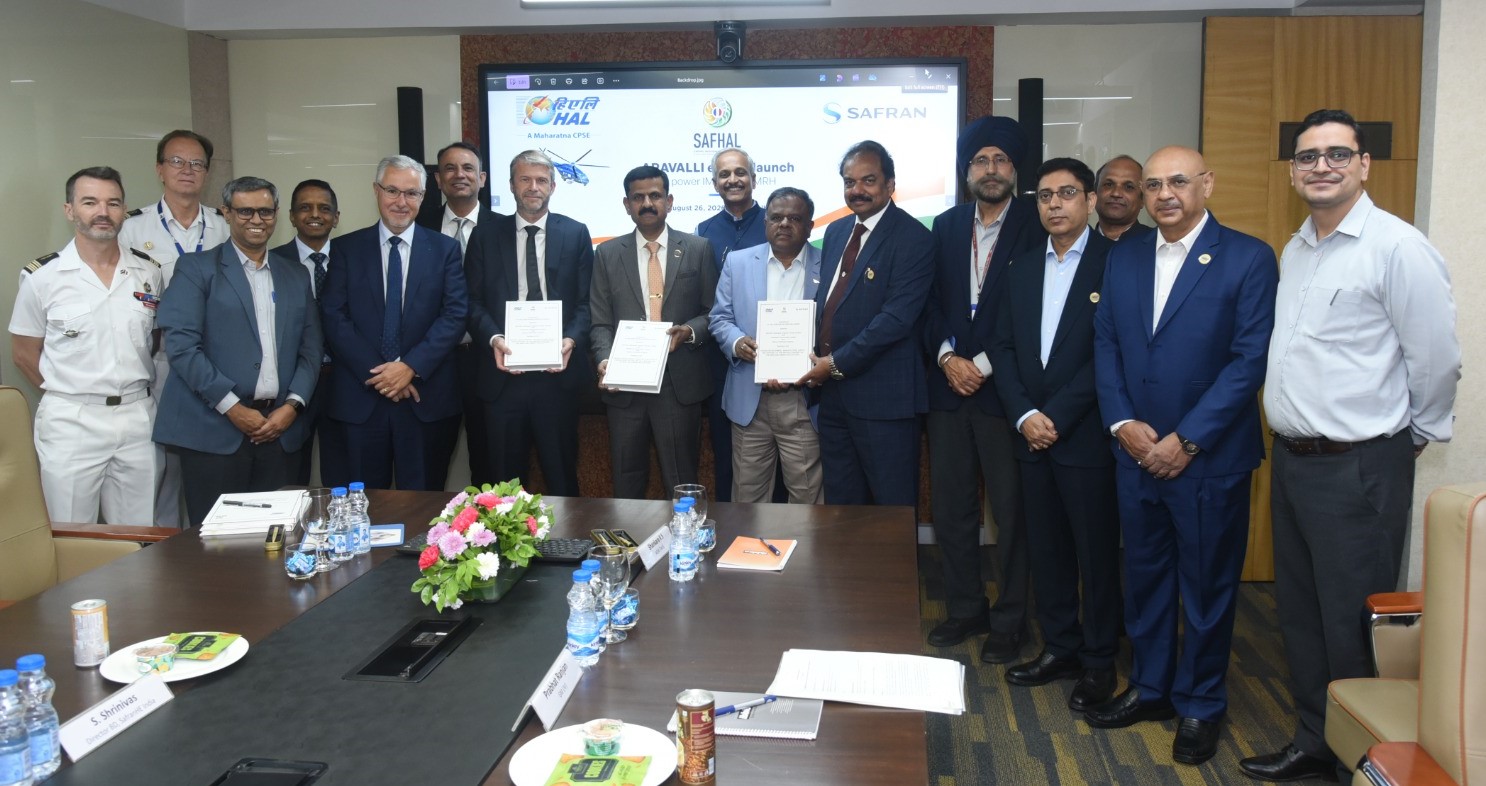
In a significant stride towards enhancing India's aerospace capabilities, Hindustan Aeronautics Limited (HAL) and Safran Helicopter Engines SAS have officially signed a partnership agreement aimed at developing advanced engine technology. Named after one of the world's oldest mountain ranges, the Aravalli engine represents more than just a technological endeavor; it epitomizes India's aspirations for greater self-reliance in critical aerospace propulsion technologies. This collaboration is poised to bolster indigenous capabilities for future-generation rotorcraft programs, as articulated in a company statement.
The Aravalli engine is not merely a mechanical component; it is a symbol of India's growing ambitions in the global aerospace market. This initiative underscores the nation's commitment to reducing dependency on foreign technology and fostering a robust domestic aerospace industry. The collaboration between HAL and Safran is expected to yield a state-of-the-art engine that aligns with international standards while incorporating indigenous innovations.
SAFHAL, the joint venture formed between HAL and Safran, is set to leverage the unique strengths of both organizations. HAL brings decades of experience in aircraft design and manufacturing, while Safran is renowned for its cutting-edge engine technology and research capabilities. Together, they aim to create a synergy that not only enhances the capabilities of rotorcraft but also contributes to the broader objective of establishing India as a key player in the global aerospace sector.
One of the primary goals of the HAL-Safran partnership is to enhance indigenous manufacturing capabilities. By investing in local production and technology transfer, the collaboration seeks to create a sustainable ecosystem for aerospace manufacturing in India. This initiative is expected to generate employment opportunities and foster skill development among the local workforce, thereby contributing to the socio-economic growth of the region.
The development of the Aravalli engine is particularly timely, given the increasing demand for advanced rotorcraft in both civilian and military applications. As India continues to modernize its defense capabilities, the need for high-performance engines that can support a variety of rotorcraft missions is critical. The partnership aims to address this demand by focusing on innovations that enhance performance, efficiency, and sustainability.
In a rapidly evolving global aerospace landscape, the HAL-Safran collaboration positions India favorably to compete with established players in the industry. By developing the Aravalli engine, India is not only addressing its domestic needs but also paving the way for potential exports of indigenous technology. This strategic move could open avenues for international partnerships and collaborations, further enhancing India's standing in the global aviation market.
The signing of the engine pact marks the beginning of a new era for India's aerospace industry. As HAL and Safran embark on this ambitious journey, stakeholders across the nation are optimistic about the long-term benefits that will arise from this collaboration. With a focus on innovation, sustainability, and self-reliance, the Aravalli engine is set to become a cornerstone of India's future in aerospace propulsion technology.
The partnership between HAL and Safran is a landmark development in India's quest for self-reliance in aerospace technologies. As the country aims to carve out a niche in the global aerospace market, the Aravalli engine stands as a testament to the power of collaboration and innovation. With this venture, India is not just looking to meet its own needs but also to establish itself as a formidable player on the world stage, ready to take on the challenges of the future.


Loading more news...
You've reached the end of our news feed. Check back later for more updates!