The Silent Scourge: Unveiling the Lifestyle Habits Fueling the Hypertension Epidemic
High blood pressure, a condition often dismissed with a shrug, is silently wreaking havoc on millions worldwide. Its insidious nature, often characterized by a lack of discernible symptoms, has earned it the ominous moniker of the \"silent killer.\" As an alarming surge in hypertension cases continues to be witnessed, driven by the pervasive influence of unhealthy lifestyle choices and detrimental dietary patterns, it becomes imperative to delve deeply into the complexities of this prevalent health crisis. This comprehensive exploration aims to shed light on the critical factors contributing to the rise of hypertension, providing detailed insights into the lifestyle habits that are inadvertently transforming this condition into a formidable and pervasive threat to our well-being.
In today\'s fast-paced and increasingly industrialized world, the human body is constantly bombarded by a barrage of environmental and societal pressures. These pressures, coupled with a departure from ancestral, health-conscious living, have created a breeding ground for chronic diseases, with hypertension standing as a prime example. The World Health Organization (WHO) consistently highlights the escalating prevalence of cardiovascular diseases, with high blood pressure being a major, often underlying, risk factor. The implications are far-reaching, impacting not only individual health and longevity but also placing a significant strain on healthcare systems globally. Understanding the intricate web of factors that contribute to hypertension is no longer a matter of academic interest; it is a critical public health imperative.
The Alarming Ascent of Hypertension: A Global Phenomenon
The statistics are stark and unwavering. Hypertension, defined as a consistent elevation of blood pressure above the normal range, affects an estimated 1.28 billion adults worldwide, according to the WHO. This figure represents a significant proportion of the global adult population, and alarmingly, it is on an upward trajectory. The disease disproportionately affects older adults, but a worrying trend of increasing incidence among younger populations is also being observed, a phenomenon directly attributable to the adoption of modern, often unhealthy, lifestyles.
The ramifications of unchecked hypertension are profound and potentially devastating. It is a primary risk factor for a cascade of serious health complications, including:
* Cardiovascular Diseases: The most significant consequence of untreated hypertension is its contribution to heart disease. Elevated blood pressure puts excessive strain on the heart muscle, leading to its thickening and weakening over time. This can manifest as:
* Coronary Artery Disease (CAD): The hardening and narrowing of the arteries that supply blood to the heart, increasing the risk of heart attacks.
* Heart Failure: The inability of the heart to pump blood efficiently to meet the body\'s needs.
* Arrhythmias: Irregular heartbeats that can be life-threatening.
* Stroke: High blood pressure is the single most significant risk factor for stroke. The constant pressure on blood vessels in the brain can lead to their rupture (hemorrhagic stroke) or blockage (ischemic stroke), resulting in permanent brain damage, disability, or even death.
* Kidney Disease: The kidneys are vital organs responsible for filtering waste products and excess fluid from the blood. Prolonged hypertension can damage the delicate blood vessels within the kidneys, impairing their function and potentially leading to chronic kidney disease and kidney failure.
* Vision Problems: The tiny blood vessels in the eyes are also susceptible to damage from high blood pressure. This can lead to hypertensive retinopathy, which can cause blurred vision, bleeding in the eye, and even blindness.
* Peripheral Artery Disease (PAD): This condition affects the blood vessels in the limbs, most commonly the legs, leading to pain, cramping, and difficulty walking.
* Aneurysms: The persistent pressure on artery walls can weaken them, leading to bulges or balloon-like sacs called aneurysms, which can rupture and cause life-threatening bleeding.
The sheer breadth and severity of these complications underscore why hypertension is rightfully termed a \"silent killer.\" Often, individuals remain unaware of their elevated blood pressure until significant damage has already occurred, or until a major health event, such as a heart attack or stroke, forces a diagnosis.
The Unhealthy Trio: Diet, Lifestyle, and the Hypertension Equation
The genesis of hypertension is rarely a singular event; rather, it is a complex interplay of genetic predisposition and, crucially, modifiable lifestyle factors. While genetics can play a role, it is the daily choices we make that often tip the scales towards developing this chronic condition. Modern living, characterized by convenience and often a disregard for holistic well-being, has fostered a constellation of detrimental habits that are directly contributing to the escalating hypertension rates.
1. The Culinary Culprits: Dietary Disasters Fueling High Blood Pressure
Our plates are often silent accomplices in the hypertension epidemic. The modern diet, particularly in Westernized societies and increasingly in developing nations, is a far cry from the balanced nutrition that our bodies are designed to thrive on. Several key dietary components are identified as major contributors to elevated blood pressure:
* Excessive Sodium Intake (The Salt Menace): This is arguably the most significant dietary factor contributing to hypertension. Sodium, while an essential nutrient in small quantities, plays a critical role in regulating fluid balance. When consumed in excess, it causes the body to retain more water, increasing the volume of blood circulating in the vessels. This heightened volume exerts greater pressure on the artery walls, leading to hypertension.
* Where is the Salt Hiding? The majority of our sodium intake comes not from the salt shaker at the dinner table, but from processed and packaged foods. Think about:
* Canned goods: Soups, vegetables, beans, and meats often have high levels of added sodium for preservation and flavor.
* Processed meats: Sausages, bacon, deli meats, and cured meats are laden with sodium.
* Fast food and restaurant meals: These are notorious for their high sodium content, often used as a flavor enhancer.
* Snack foods: Chips, pretzels, crackers, and salted nuts are significant sources of hidden sodium.
* Bread and baked goods: Even seemingly innocuous items like bread can contain a surprising amount of sodium.
* Condiments and sauces: Ketchup, soy sauce, salad dressings, and marinades can be high in sodium.
* The Impact: Research consistently demonstrates a strong correlation between high sodium intake and increased blood pressure. Reducing sodium consumption has been proven to be an effective strategy for lowering blood pressure in many individuals.
* The Saturated and Trans Fat Trap: While not as directly linked to immediate blood pressure spikes as sodium, diets high in saturated and trans fats contribute to the development of atherosclerosis – the hardening and narrowing of arteries. This makes the arteries less flexible and more resistant to blood flow, indirectly increasing blood pressure over time.
* Sources of Concern:
* Saturated fats: Found in red meat, full-fat dairy products (butter, cheese, cream), and tropical oils (coconut and palm oil).
* Trans fats: Often found in processed and fried foods, baked goods (pastries, cookies), and some margarines. These are particularly detrimental as they not only raise \"bad\" LDL cholesterol but also lower \"good\" HDL cholesterol, contributing to arterial plaque buildup.
* Sugar\'s Sweet Deception: The consumption of excessive added sugars, particularly from sugary drinks and processed foods, is increasingly implicated in hypertension. While the exact mechanisms are still being investigated, sugar intake is linked to:
* Weight Gain and Obesity: Excess sugar consumption contributes to calorie surplus, leading to weight gain, a significant risk factor for hypertension.
* Insulin Resistance: High sugar intake can lead to insulin resistance, a precursor to type 2 diabetes, which is closely associated with hypertension.
* Inflammation: Sugary diets can promote chronic inflammation in the body, which can negatively impact blood vessel function.
* Increased Sympathetic Nervous System Activity: Some studies suggest that high sugar intake can stimulate the sympathetic nervous system, leading to increased heart rate and blood pressure.
* The Potassium Paradox: Potassium plays a crucial role in balancing the effects of sodium. It helps the body excrete excess sodium and relaxes blood vessel walls, both of which contribute to lower blood pressure. Ironically, the modern diet often lacks sufficient potassium due to the reduced consumption of fresh fruits and vegetables.
* Potassium-Rich Powerhouses: Bananas, sweet potatoes, spinach, beans, yogurt, and avocados are excellent sources of potassium.
* Alcohol: The Double-Edged Sword: Moderate alcohol consumption may have some cardiovascular benefits, but excessive intake is a direct contributor to hypertension. Alcohol can:
* Increase blood pressure directly: It stimulates the release of hormones that constrict blood vessels.
* Interfere with blood pressure medications: If someone is already on medication for hypertension, alcohol can reduce its effectiveness.
* Lead to weight gain: Alcoholic beverages are often high in calories.
2. The Sedentary Slumber: The Perils of Physical Inactivity
In an era dominated by screens and desk jobs, physical activity has become a luxury rather than a necessity for many. A sedentary lifestyle is a potent contributor to hypertension through several mechanisms:
* Weight Gain and Obesity: Lack of regular exercise leads to a calorie surplus and reduced energy expenditure, promoting weight gain and obesity. Excess body weight, particularly abdominal fat, is strongly linked to insulin resistance and increased blood pressure.
* Reduced Cardiovascular Fitness: When the heart and blood vessels are not regularly challenged through exercise, they become less efficient. This can lead to stiffer arteries and a reduced ability to pump blood effectively, thus increasing blood pressure.
* Impaired Insulin Sensitivity: Physical activity is crucial for maintaining good insulin sensitivity. When muscles are inactive, they become less responsive to insulin, contributing to insulin resistance and subsequent hypertension.
* Stress Accumulation: Physical activity is a well-established stress reliever. A lack of exercise can lead to a buildup of stress, which in turn can activate the body\'s \"fight or flight\" response, leading to temporary elevations in blood pressure. Chronic stress can contribute to sustained high blood pressure.
3. The Stress Spiral: The Psychological Toll on Our Blood Vessels
In the relentless rhythm of modern life, stress has become an almost constant companion for many. The demands of work, financial pressures, relationship issues, and societal expectations create a chronic state of physiological arousal that can significantly impact blood pressure.
* The \"Fight or Flight\" Response: When faced with a perceived threat, the body releases stress hormones like adrenaline and cortisol. These hormones cause the heart to beat faster and blood vessels to constrict, temporarily increasing blood pressure. While this response is vital for survival in acute situations, chronic stress means these hormones are persistently elevated, leading to sustained high blood pressure.
* Behavioral Changes: Stress often triggers unhealthy coping mechanisms that further exacerbate hypertension. These can include:
* Poor dietary choices: Comfort eating often involves high-sodium, high-fat, and high-sugar foods.
* Increased alcohol and tobacco consumption: These are often used as coping mechanisms but have detrimental effects on blood pressure.
* Sleep deprivation: Stress can disrupt sleep patterns, and lack of sleep is independently linked to higher blood pressure.
* Inflammation and Blood Vessel Damage: Chronic stress is associated with increased inflammation throughout the body, which can damage the lining of blood vessels, making them less flexible and more prone to high blood pressure.
4. The Vices: Smoking and Excessive Alcohol Consumption
These well-known health hazards also play a significant role in the development and worsening of hypertension.
* Smoking (The Nicotine Nemesis): Nicotine, the primary addictive component of tobacco, is a potent vasoconstrictor. It causes blood vessels to narrow, immediately increasing blood pressure and heart rate. Over time, smoking damages the lining of the arteries, leading to atherosclerosis and making them stiffer, further contributing to chronic hypertension. Furthermore, smoking significantly increases the risk of blood clots, elevating the danger of heart attack and stroke in individuals with high blood pressure.
* Excessive Alcohol Consumption (The Booze Burden): As mentioned earlier, regular and excessive alcohol intake can directly raise blood pressure. It also contributes to weight gain and can interfere with the effectiveness of blood pressure medications. For individuals with existing hypertension, even moderate alcohol consumption can be detrimental.
5. The Sleep Sabotage: The Underrated Impact of Poor Sleep
In our hyper-connected world, sleep often takes a backseat. However, insufficient or poor-quality sleep is increasingly recognized as a significant risk factor for hypertension.
* Disruption of Circadian Rhythms: Our bodies have natural sleep-wake cycles, or circadian rhythms, that regulate various bodily functions, including blood pressure. Chronic sleep deprivation or irregular sleep patterns disrupt these rhythms, leading to elevated blood pressure, especially during the night when blood pressure typically dips.
* Hormonal Imbalances: Sleep deprivation can lead to imbalances in hormones that regulate stress and blood pressure, such as cortisol and adrenaline.
* Increased Inflammation: Lack of adequate sleep is associated with increased systemic inflammation, which can negatively impact blood vessel health.
* Increased Appetite and Cravings: Poor sleep can disrupt appetite-regulating hormones, leading to increased cravings for unhealthy, high-sodium, and high-sugar foods, further contributing to weight gain and hypertension.
6. The Digital Domino Effect: Screen Time and Its Indirect Influence
While screen time itself doesn\'t directly cause high blood pressure, its pervasive presence in modern life contributes to several risk factors:
* Sedentary Behavior: Excessive time spent in front of screens inevitably leads to reduced physical activity.
* Sleep Disruption: The blue light emitted from screens can interfere with melatonin production, a hormone essential for sleep, leading to difficulty falling asleep and poorer sleep quality.
* Increased Stress and Anxiety: Constant exposure to news, social media, and online stressors can contribute to heightened levels of anxiety and stress.
* Poor Dietary Habits: Many individuals consume unhealthy snacks and meals while engaged with screens, further reinforcing poor eating patterns.
The Silent Symptoms (Or Lack Thereof): The Deceptive Nature of Hypertension
One of the most challenging aspects of hypertension is its often asymptomatic nature. Many individuals live with elevated blood pressure for years without experiencing any noticeable symptoms. This is why it is often referred to as the \"silent killer.\" When symptoms do appear, they are often indicative of significant organ damage that has already occurred. These might include:
* Headaches (particularly in the morning)
* Dizziness
* Shortness of breath
* Nosebleeds
* Blurred vision
* Chest pain
* Irregular heartbeat
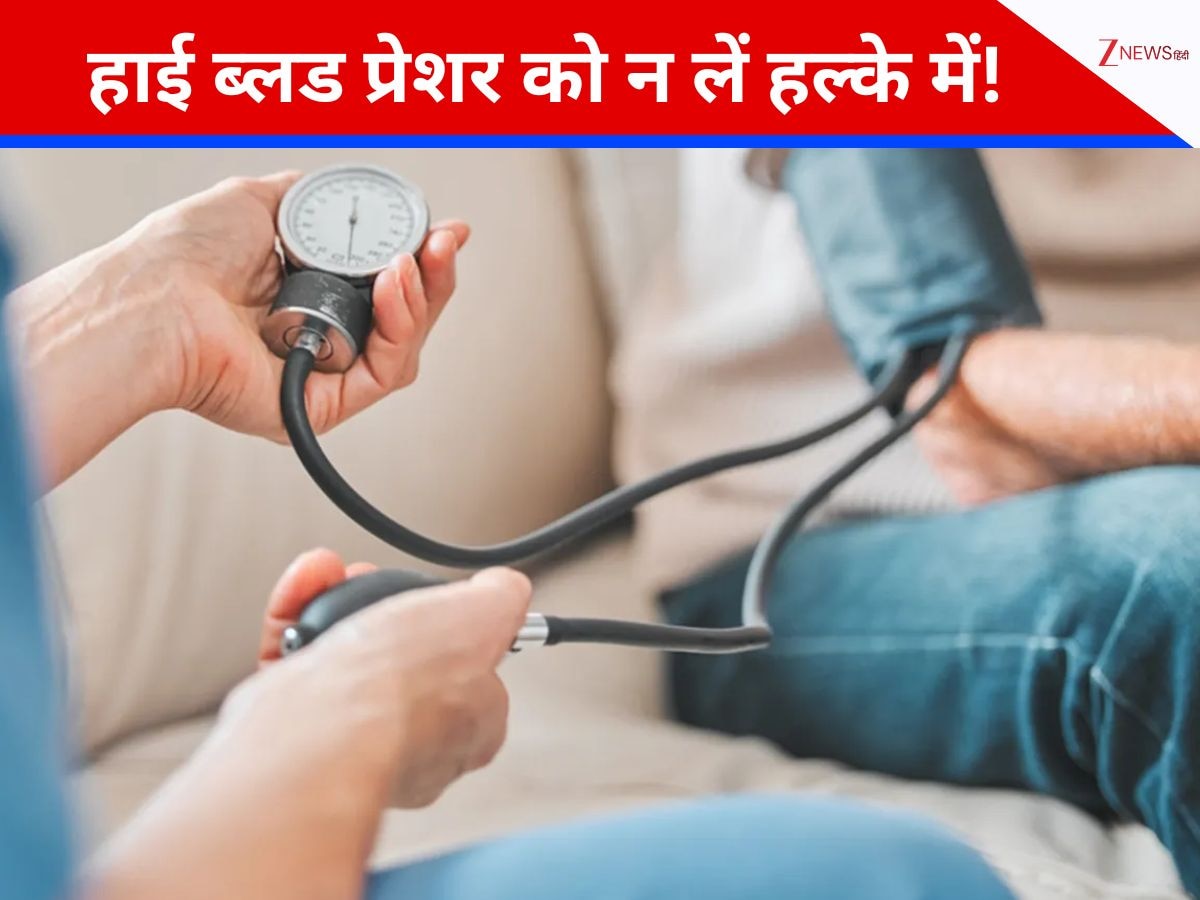
However, relying on these symptoms for diagnosis is a dangerous gamble. The only reliable way to detect hypertension is through regular blood pressure monitoring.
Breaking the Cycle: Strategies for Prevention and Management
The good news is that hypertension is largely preventable and, in many cases, manageable. By understanding the detrimental lifestyle habits that fuel its rise, individuals can take proactive steps to protect their cardiovascular health.
* Embrace a Heart-Healthy Diet:
* Slash Sodium Intake: Aim for less than 2,300 milligrams (mg) of sodium per day, and ideally less than 1,500 mg, especially for those with or at risk of hypertension. Read food labels carefully and prioritize fresh, whole foods.
* Load Up on Fruits and Vegetables: These are rich in potassium, fiber, and antioxidants, all of which are beneficial for blood pressure.
* Choose Whole Grains: Opt for whole wheat bread, brown rice, oats, and quinoa over refined grains.
* Lean Protein Sources: Include fish, poultry, beans, and legumes in your diet. Limit red meat.
* Healthy Fats: Incorporate sources like olive oil, avocados, nuts, and seeds.
* Limit Processed Foods, Sugary Drinks, and Excessive Alcohol: Be mindful of hidden sugars and sodium in packaged items.
* Become Physically Active:
* Aim for at Least 150 Minutes of Moderate-Intensity Aerobic Activity per Week: This includes brisk walking, jogging, swimming, or cycling.
* Incorporate Muscle-Strengthening Activities: Aim for at least two days per week.
* Find Activities You Enjoy: This will make it easier to stick with a routine. Even small bursts of activity throughout the day can make a difference.
* Master Stress Management:
* Practice Relaxation Techniques: Deep breathing exercises, meditation, yoga, and mindfulness can help calm the nervous system.
* Prioritize Sleep: Aim for 7-9 hours of quality sleep per night. Establish a regular sleep schedule and create a relaxing bedtime routine.
* Engage in Hobbies and Activities You Enjoy: Make time for activities that bring you joy and help you de-stress.
* Seek Support: Talk to friends, family, or a therapist if you are struggling to cope with stress.
* Quit Smoking and Limit Alcohol:
* Seek Help to Quit Smoking: Numerous resources and support systems are available to help you quit.
* Moderate Alcohol Consumption: If you choose to drink, do so in moderation. For women, this means up to one drink per day, and for men, up to two drinks per day.
* Regular Blood Pressure Monitoring:
* Get Your Blood Pressure Checked Regularly: This is crucial, especially if you have a family history of hypertension or other risk factors.
* Consider Home Monitoring: Discuss with your doctor if home blood pressure monitoring is appropriate for you.
* Maintain a Healthy Weight:
* Achieve and Maintain a Healthy Body Mass Index (BMI): Even a modest weight loss of 5-10% can significantly lower blood pressure.
The Call to Action: A Collective Responsibility
The alarming rise of hypertension is not merely a medical issue; it is a societal one. The pervasive influence of unhealthy lifestyle choices, deeply ingrained in our modern culture, demands a multifaceted approach to combat this silent killer. Public health initiatives, educational campaigns, and supportive community environments are essential in empowering individuals to make healthier choices.
For individuals, the message is clear: do not take high blood pressure lightly. It is a condition that requires attention, vigilance, and a commitment to adopting and maintaining healthy habits. By understanding the detrimental impact of our daily routines and making conscious, informed decisions, we can collectively turn the tide against this pervasive health crisis and pave the way for longer, healthier, and more fulfilling lives, free from the shadow of the silent killer. The time to act is now, before the insidious whispers of hypertension escalate into a deafening roar of irreversible health consequences.