
Politics
ஈரானில் பதற்றம்.. 4 கப்பல்கள் அடுத்தடுத்து தாக்குதல்.. திகைத்து நிற்கும் அமெரிக்கா!
October 1, 2026
2,921 views
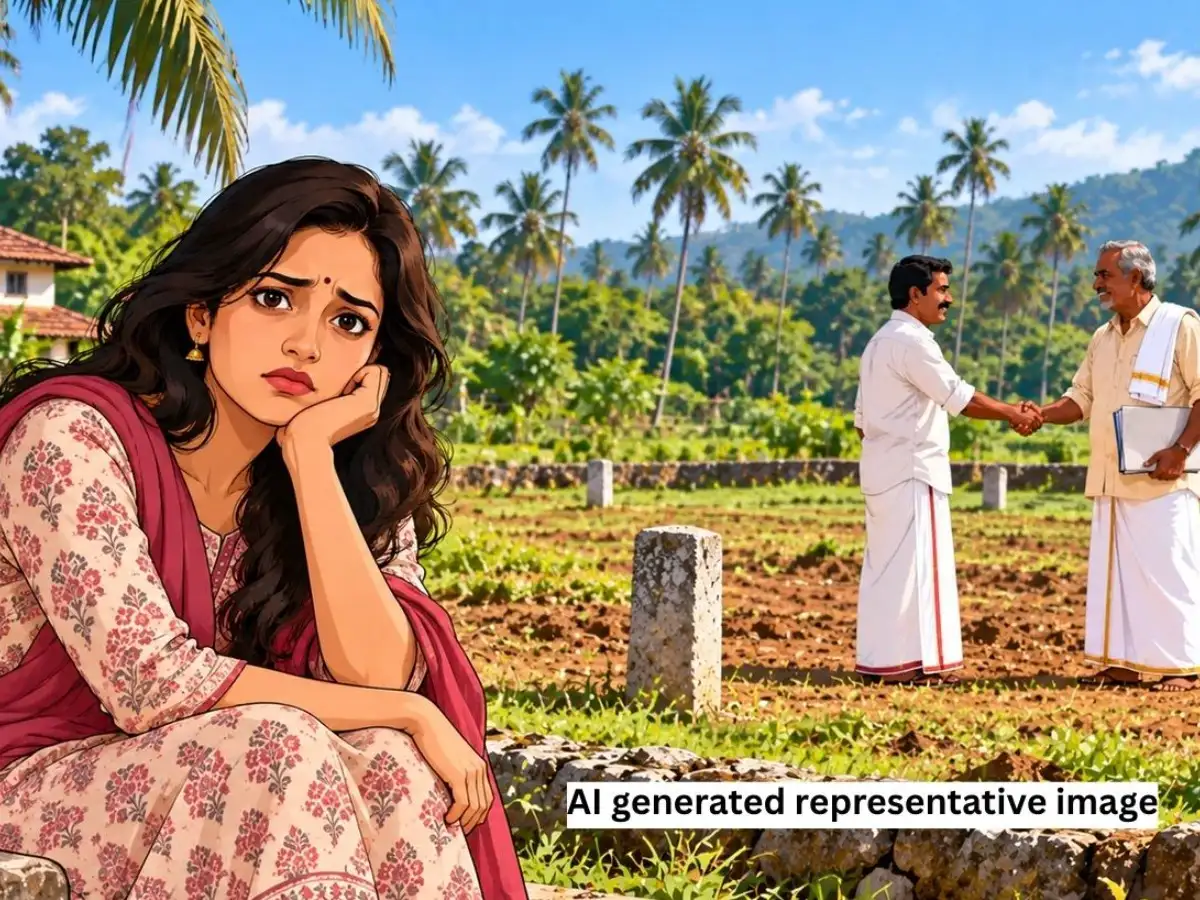
In a significant ruling, the Madras High Court recently dismissed a case brought by a granddaughter who challenged the sale of a 2.5-acre piece of land. The land, which was originally gifted by her grandmother to her step-mother, became the center of a legal dispute that revolved around the interpretation of ancestral property rights under the Hindu Succession Act, 1956. This ruling highlights the complexities of property law within the context of familial relationships and the legal standing of gifts versus ancestral claims.
The case began when the grandmother decided to gift the 2.5-acre tract of land to her son's second wife. This act was perceived by the granddaughter as a potential infringement on her rights, leading her to challenge the legitimacy of the sale that followed. The granddaughter contended that the land was ancestral property and thus should not have been sold without her consent. The legal battle that ensued raised important questions regarding the nature of property ownership and succession rights under Hindu law.
Under the Hindu Succession Act, 1956, ancestral property is defined as property inherited from a male ancestor. It is typically considered a joint family property, meaning all male descendants have equal rights to it. However, the legal definition of ancestral property can be complex and often requires a detailed understanding of the family dynamics involved. In this case, the court had to determine whether the land in question was indeed ancestral or if it was considered a gifted property, which would alter the granddaughter's claims.
The High Court's ruling hinged on the classification of the land as a gift rather than ancestral property. The court found that since the grandmother had legally gifted the land to her son’s second wife, the new owner had the right to sell it. This decision was based on the premise that a gift, once given, cannot generally be reclaimed or contested by other family members, barring any evidence of fraud or undue influence. The court's interpretation of the Hindu Succession Act played a crucial role in this outcome.
Ultimately, the Madras High Court ruled in favor of the step-mother, affirming her right to sell the land. The court emphasized that the granddaughter's claim lacked a legal basis under the provisions of the Hindu Succession Act. The judges noted that the act does not provide rights to grandchildren over gifted property unless it can be explicitly proven as ancestral. The court also stated that the granddaughter's relationship with her step-mother did not grant her any legal standing to dispute the sale, further solidifying the legitimacy of the transfer of ownership.
This ruling has broader implications for similar cases involving family disputes over property. It underscores the importance of understanding the distinction between gifted property and ancestral land. The judgment serves as a reminder that family dynamics, while often complex, must be navigated with a clear understanding of legal rights and obligations. For many families, such disputes can lead to prolonged legal battles, emphasizing the need for clarity in property transactions and estate planning.
The outcome of this case not only highlights the legal intricacies surrounding property rights within families but also serves as a cautionary tale for those involved in similar disputes. As families grow and evolve, the potential for conflicts over property ownership increases. Understanding the legal frameworks that govern such relationships can help mitigate disputes before they escalate to the courts. For individuals navigating these issues, seeking legal advice and ensuring proper documentation can safeguard their interests and facilitate smoother transitions of property ownership.
In conclusion, the Madras High Court's ruling in this case is a pivotal example of how the interpretation of the law can significantly impact familial relationships and property rights. As society continues to change, the laws surrounding inheritance and property ownership must also adapt, ensuring that they reflect the complexities of modern family structures.


Loading more news...
You've reached the end of our news feed. Check back later for more updates!