Politics
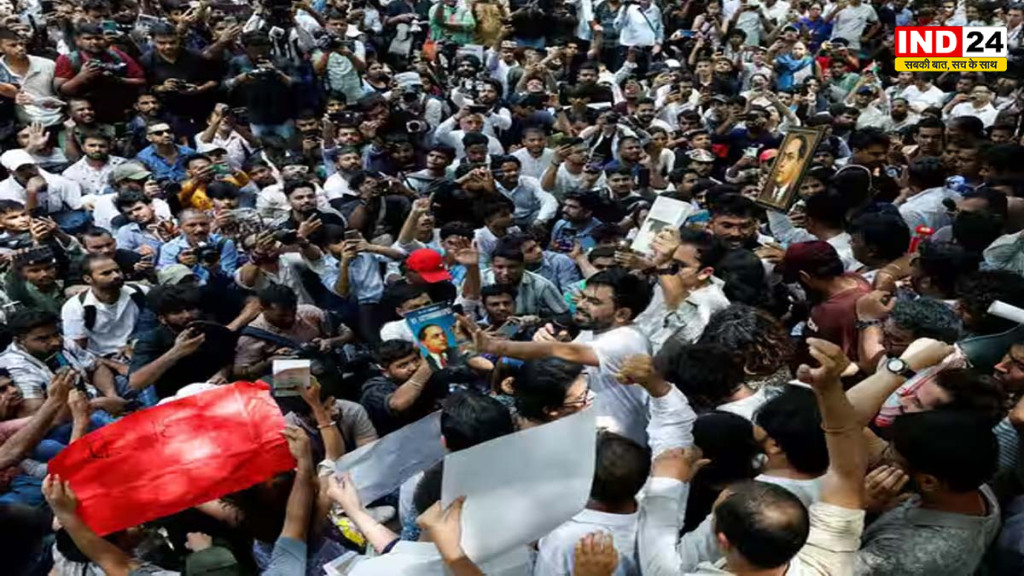
धरना-प्रदर्शनों का नया कारोबार: लोकतंत्र की आड़ में आखिर किसके हित साधे जा रहे हैं?
October 10, 2026
1,612 views
Govt revokes detention of activist Sonam Wangchuk

In a significant move, the government has officially revoked the detention of Sonam Wangchuk under the National Security Act (NSA) after nearly six months of incarceration. This decision comes amid ongoing efforts to restore peace and foster dialogue in the region of Ladakh, which has witnessed a tumultuous period of protests and unrest over demands for statehood and tribal self-governance.
The protests in Ladakh have been fueled by a growing discontent among the local populace regarding their political representation and rights. Since the abrogation of Article 370 in 2019, which granted special status to Jammu and Kashmir, the residents of Ladakh have been vocal about their demands for greater autonomy and recognition of their cultural identity. Sonam Wangchuk, an influential engineer and education reformist, emerged as a prominent figure in these protests, advocating for the rights of the people and calling for a more inclusive governance model.
Wangchuk’s detention was controversial from the outset. Authorities claimed that his actions could incite violence, particularly during the heightened tensions in September when clashes erupted between protesters and police. Critics argued that the government used the NSA as a tool to silence dissent and curb legitimate demands for political representation. Wangchuk’s supporters maintained that his commitment to peaceful dialogue and reform was misrepresented by officials who sought to maintain control over the narrative in Ladakh.
After extensive discussions and public pressure, the government has decided to revoke Wangchuk's detention, emphasizing the need for dialogue and peace in the region. Officials state that this move is intended to create an environment conducive to discussions around the pressing issues faced by Ladakhis. By releasing Wangchuk, the administration is signaling its willingness to listen to the voices of the people and engage with their demands constructively.
The release of Sonam Wangchuk is expected to have a profound impact on the local community. For many residents, Wangchuk symbolizes hope and the possibility of genuine change. His return to the public sphere may reinvigorate the movement for statehood and self-governance, as supporters rally around his vision for a sustainable and equitable future for Ladakh. Moreover, Wangchuk's emphasis on education and environmental sustainability may inspire new initiatives aimed at addressing the region's unique challenges.
This decision is not just a localized issue; it reflects broader trends in governance and civil rights across India. The use of laws like the NSA to detain activists and dissenters raises critical questions about the balance between national security and individual freedoms. As more voices in Ladakh and beyond advocate for their rights, the government will be challenged to find ways to address these grievances without resorting to repressive measures.
As Ladakh enters this new chapter following Wangchuk’s release, the emphasis will likely shift towards dialogue and community engagement. The government needs to prioritize initiatives that genuinely reflect the aspirations of the people. This includes not only discussions about statehood and self-governance but also broader issues such as education, healthcare, and sustainable development. The road ahead is fraught with challenges, but with leaders like Sonam Wangchuk back in the fold, there is hope for a more inclusive and representative governance structure in Ladakh.
The revocation of Sonam Wangchuk's detention under the NSA marks a pivotal moment in Ladakh's ongoing struggle for rights and representation. It underscores the importance of dialogue in resolving conflicts and highlights the need for the government to engage with its citizens meaningfully. As the region moves forward, the focus must remain on building a cohesive society that respects and honors the voices of all its members.


Loading more news...
You've reached the end of our news feed. Check back later for more updates!