Politics
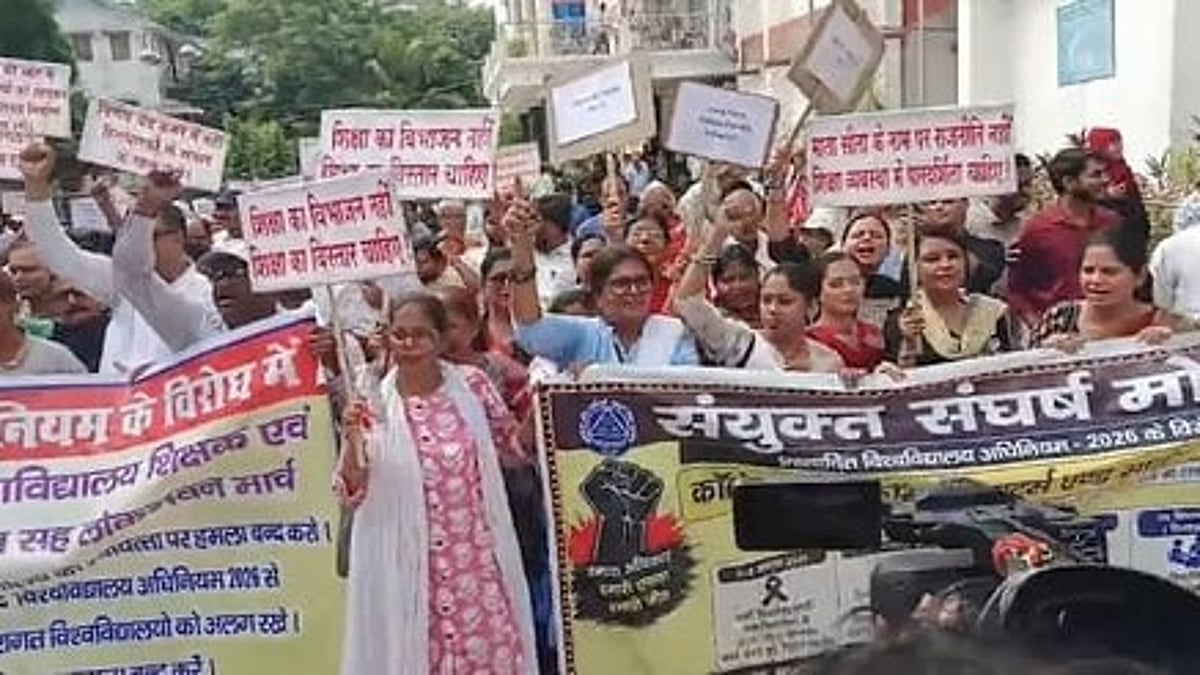
Bihar: Over 50 held in protest against Mata Sita women’s university
October 10, 2026
1,707 views
Govt revokes detention of activist Sonam Wangchuk

In a significant development, the government has revoked the detention of renowned activist Sonam Wangchuk under the National Security Act (NSA) after nearly six months. This decision comes in the wake of ongoing efforts to restore peace and promote dialogue in the region of Ladakh, which has been embroiled in tensions over statehood and tribal self-governance. Wangchuk, who has been a prominent figure in advocating for the rights and recognition of the local population, was previously labeled as a key instigator of violence during protests that erupted in September.
Sonam Wangchuk, an engineer and environmentalist, has long championed the cause of Ladakhis, pushing for greater autonomy and self-governance. His detention was part of a broader crackdown on protests that sought to address the grievances of the local populace following the region's reorganization into a Union Territory in 2019. The protests, which intensified in September, were marked by demands for statehood and the protection of tribal rights, reflecting widespread discontent among the people of Ladakh.
The government’s choice to detain Wangchuk under the NSA raised concerns among various human rights organizations and activists, who viewed it as a suppression of dissent. The NSA allows for the detention of individuals without trial for a period of up to one year if they are deemed to pose a threat to national security. Wangchuk's supporters argued that his activism was mischaracterized as incitement to violence, pointing out that he has consistently advocated for peaceful dialogue and solutions.
The recent revocation of Wangchuk's detention has been framed by government officials as a deliberate effort to restore calm in the region. In a statement, a spokesperson noted, “The decision to release Sonam Wangchuk is part of our commitment to fostering dialogue and understanding in Ladakh. We believe that open communication is essential for addressing the legitimate concerns of the people.”
This shift in approach indicates a recognition of the need to engage with the local community and address their demands constructively. By releasing Wangchuk, the government may be attempting to signal its willingness to listen to the voices of Ladakhis, rather than simply enforcing order through detention and suppression.
Sonam Wangchuk's release is expected to have profound implications for the ongoing movement in Ladakh. His leadership and influence within the community cannot be overstated; many see him as a beacon of hope who can guide the discourse surrounding statehood and self-governance. With his return, there is a renewed sense of optimism among activists and residents, who are eager to engage in constructive discussions with the authorities.
Furthermore, Wangchuk's release could pave the way for broader negotiations regarding the future of Ladakh. Local leaders and organizations are likely to mobilize around his vision for sustainable development, environmental conservation, and cultural preservation. As an advocate for education and innovation in the region, Wangchuk has the potential to inspire new initiatives that align with the aspirations of the Ladakhi people.
Despite the positive developments surrounding Wangchuk's release, significant challenges remain. The underlying tensions that sparked the protests are far from resolved. The demand for statehood and the protection of tribal rights continue to resonate deeply within the community. Activists are likely to intensify their efforts to secure formal recognition and legislative measures that safeguard the interests of Ladakhis.
Moreover, the government must navigate the delicate balance between maintaining order and addressing the genuine concerns of the populace. A failure to engage meaningfully with these issues could lead to further unrest and dissatisfaction, undermining any progress made through Wangchuk's release.
As Ladakh moves forward from this chapter, the emphasis on dialogue and unity will be crucial. Sonam Wangchuk has long advocated for collaborative solutions that involve all stakeholders, including government officials, local leaders, and civil society. His return to the forefront of the movement represents an opportunity for renewed dialogue, where the voices of Ladakhis can be amplified, and their aspirations taken seriously.


Loading more news...
You've reached the end of our news feed. Check back later for more updates!