Politics
धरना-प्रदर्शनों का नया कारोबार: लोकतंत्र की आड़ में आखिर किसके हित साधे जा रहे हैं?
October 10, 2026
1,612 views
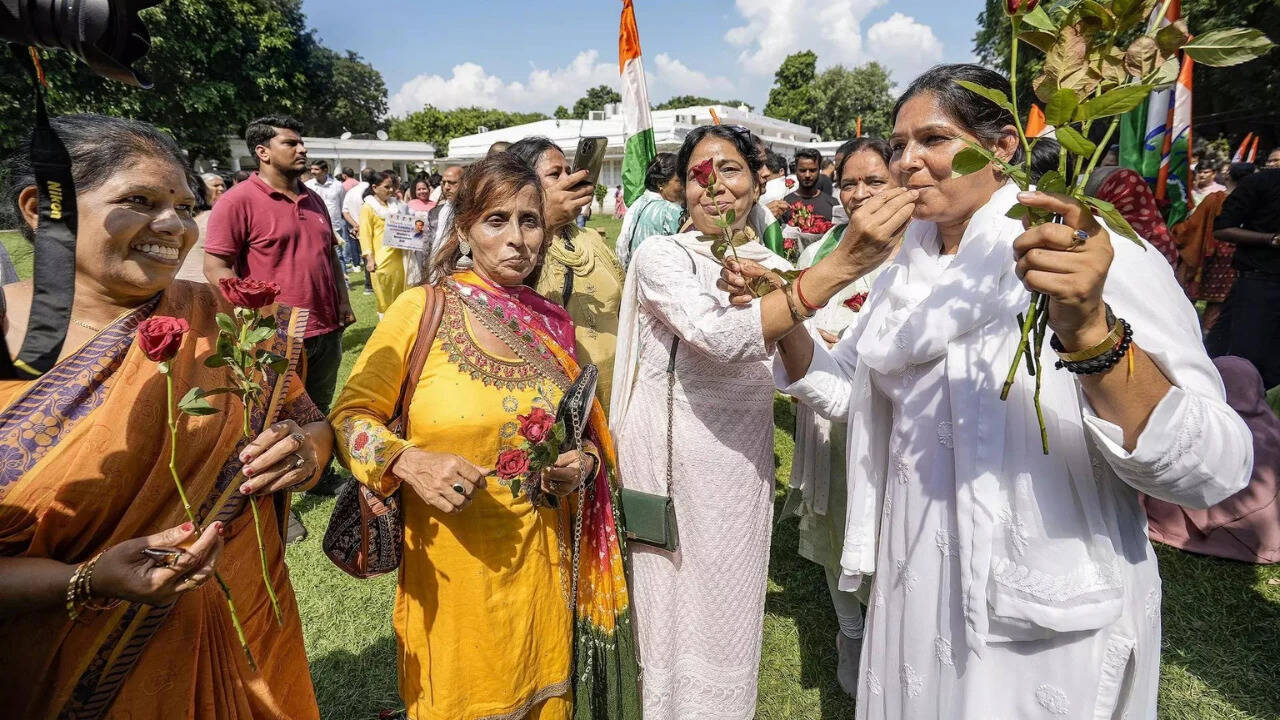
In a significant move towards empowering women in politics, the government has announced plans to reconvene Parliament for a special session aimed at passing women’s reservation legislation for the upcoming electoral cycle in 2029. This initiative is part of a broader strategy to enhance female representation in decision-making roles across the nation. The government’s confidence in garnering cross-party support stems from a historical context of bipartisan agreements on women's issues, despite some opposition parties raising questions regarding the timing and underlying motives behind the legislation.
The women’s reservation bill aims to allocate a specific percentage of seats for women in legislative bodies, including both the Lok Sabha and state assemblies. This legislation is crucial as it seeks to address the gender imbalance that has persisted in Indian politics for decades. Currently, women constitute a mere fraction of the total representatives in Parliament, which has led to calls for more equitable representation. By implementing a quota system, the government hopes to ensure that women's voices are heard and considered in the legislative process.
Despite the challenges posed by opposition parties questioning the timing of the special session, there is a noticeable trend of increasing support for the legislation. Many political analysts have pointed out that the NDA (National Democratic Alliance) is optimistic about the passage of the women's quota bills due to a history of past support from various political factions. The increasing influence of women as voters cannot be overlooked in this context; as they represent a significant demographic that is becoming increasingly politically active, their interests are being recognized by political parties across the spectrum.
While the opposition has shown general support for the idea of women’s reservation, some factions remain skeptical about the motives behind the government’s push at this particular moment. Critics argue that the timing might be politically motivated, aimed at diverting attention from other pressing national issues. There are concerns that the government might use this legislation as a means to bolster its image ahead of the upcoming elections. Nonetheless, the overall sentiment among opposition leaders appears to be one of cautious optimism, recognizing the necessity of empowering women in politics.
The path to passing the women’s reservation bill is fraught with challenges, but the government's strategy appears to be well thought out. By calling for a special session, they are signaling the urgency and importance of this issue. Political leaders are preparing to engage in dialogues with opposition parties to address concerns and promote the benefits of increased women’s representation. Furthermore, advocacy groups and women's organizations are mobilizing to support the legislation, emphasizing the positive impact that such a move would have on society as a whole.
Public sentiment around the women’s quota bill has been largely favorable, with surveys indicating that a significant majority of the population supports measures aimed at increasing female representation in politics. Advocacy groups have played a crucial role in raising awareness and pressing for legislative changes. They argue that a more balanced representation in governance will lead to more comprehensive policies that reflect the needs and aspirations of the entire population, not just a select few. The government appears to be leveraging this public support as a foundation for its legislative push.
The government’s initiative to pass women’s reservation legislation marks a historic step towards gender equality in Indian politics. As Parliament prepares for the special session, the focus will be on building a consensus that transcends party lines, emphasizing the importance of collective progress for the nation. If successful, this legislation could pave the way for a more inclusive political environment where women are not only participants but also leaders in shaping the future of the country. The anticipation surrounding the upcoming session underscores the significance of this moment in India's democratic journey.


Loading more news...
You've reached the end of our news feed. Check back later for more updates!