
Politics
धरना-प्रदर्शनों का नया कारोबार: लोकतंत्र की आड़ में आखिर किसके हित साधे जा रहे हैं?
October 10, 2026
1,612 views
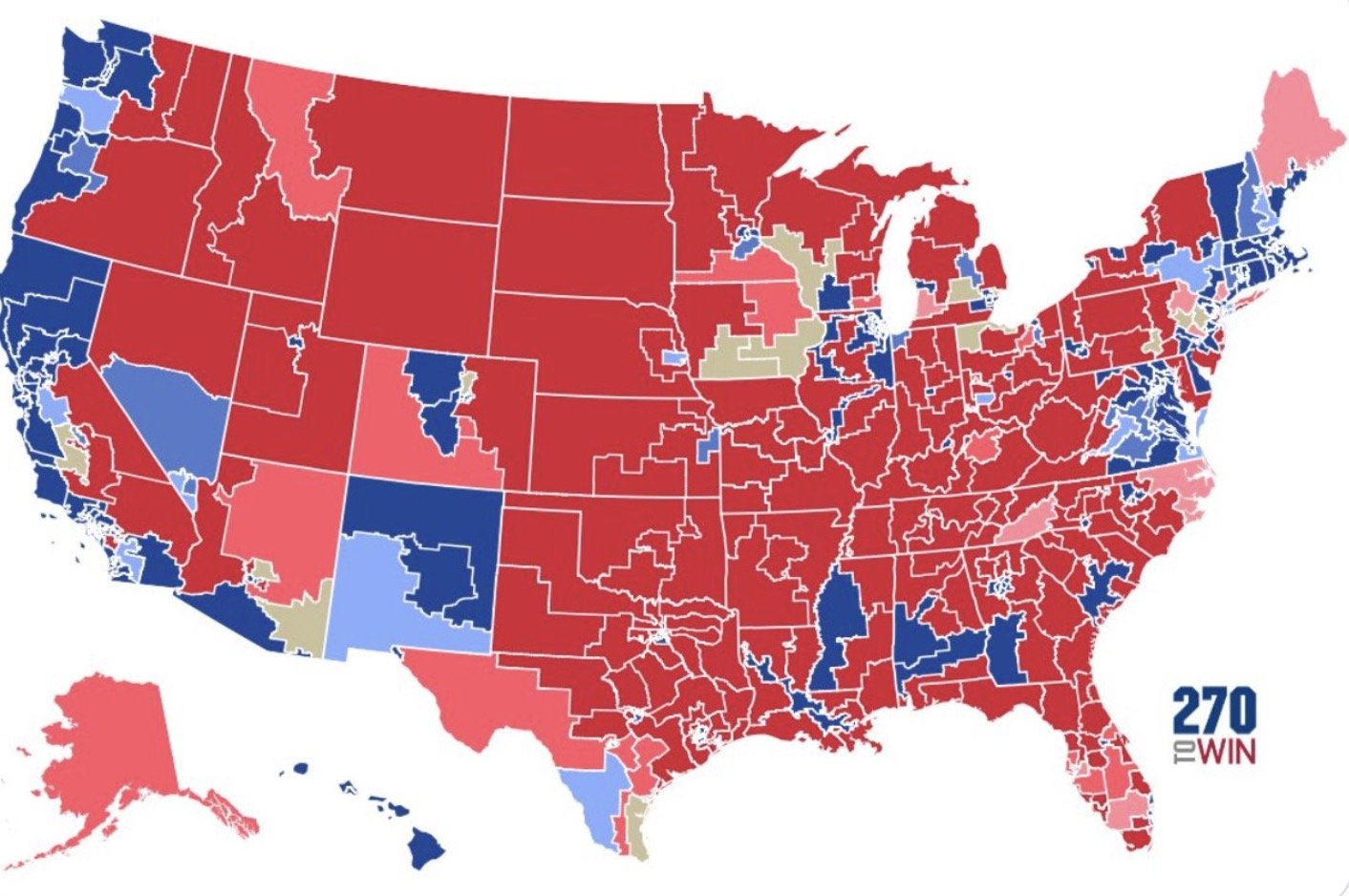
The ongoing struggle for control of the U.S. House of Representatives is increasingly being decided not just through votes at the polls but also through strategic redistricting. A recent report suggests that the Republican Party is poised to make a substantial gain of around 11 seats in the upcoming elections. This shift is largely attributed to the successful redistricting efforts by Republican-led legislatures across the country, which appear to dismantle the Democrats' previous gerrymandering advantages.
In Tennessee, the Republican majority in the state legislature has made headlines by pushing through a new congressional map that effectively eliminates the state’s only Democrat-held seat, which also happens to be a Black-majority district. This significant alteration in the congressional map not only ensures that Tennessee will now have a solid 9-0 Republican delegation but also highlights the broader trend of GOP dominance in redistricting efforts. The move has been met with criticism from Democratic leaders who argue that it undermines the representation of minority communities.
Gerrymandering, the practice of manipulating electoral district boundaries to favor one party over another, has been a contentious issue in American politics. Democrats have historically utilized gerrymandering to secure advantageous positions in various states. However, recent developments indicate that their strategies may be crumbling. Reports suggest that several states where Democrats once held an upper hand in redistricting are now swinging towards Republican control, fundamentally altering the political landscape.
As the GOP solidifies its redistricting strategies, the potential for a +11 seat pickup in the House could significantly shift the balance of power. This change is not limited to Tennessee; other states are also witnessing similar trends. In states like Florida and Texas, Republican leadership has pushed through maps that enhance their electoral prospects, further consolidating their position ahead of the elections. The implications of such shifts are profound, as they can dictate not only the legislative agenda but also influence national policies for years to come.
In response to the Republicans’ effective redistricting maneuvers, Democrats are facing an uphill battle. Many party leaders are calling for urgent reforms and the implementation of independent commissions to oversee redistricting processes, aiming to ensure fair representation. However, the effectiveness of these measures remains to be seen, especially given the current political climate where partisan divisions are stark. The upcoming elections will serve as a crucial test for both parties as they navigate the complexities of voter sentiment and district representation.
For voters, the ramifications of redistricting extend beyond political affiliations. The changes in district boundaries will directly affect how communities are represented in Congress. Areas that have historically leaned Democratic may find themselves underrepresented, while Republican strongholds may further entrench their influence. This evolving landscape calls for greater voter awareness and engagement, as citizens will need to remain vigilant about the implications of district changes on their local and national representation.
The redistricting battles unfolding across the United States underscore a pivotal moment in American politics. With Republicans potentially on track for significant gains, the strategies employed in this cycle could shape the political discourse for the next decade. As Democrats grapple with the fallout from their previous gerrymandering tactics, the focus will increasingly shift to how both parties adapt to these changes and what it means for the future of governance in the country.
In summary, the GOP's redistricting dominance poses a serious challenge to Democrats, with potential seat pickups signaling a shift in power dynamics. The implications for voters and the broader political landscape are profound, making the upcoming elections a critical juncture for both parties.


Loading more news...
You've reached the end of our news feed. Check back later for more updates!