Technology
Udhampur News: लंबित इंतकाल मामलों के जल्द निपटारे के निर्देश
October 9, 2026
3,222 views
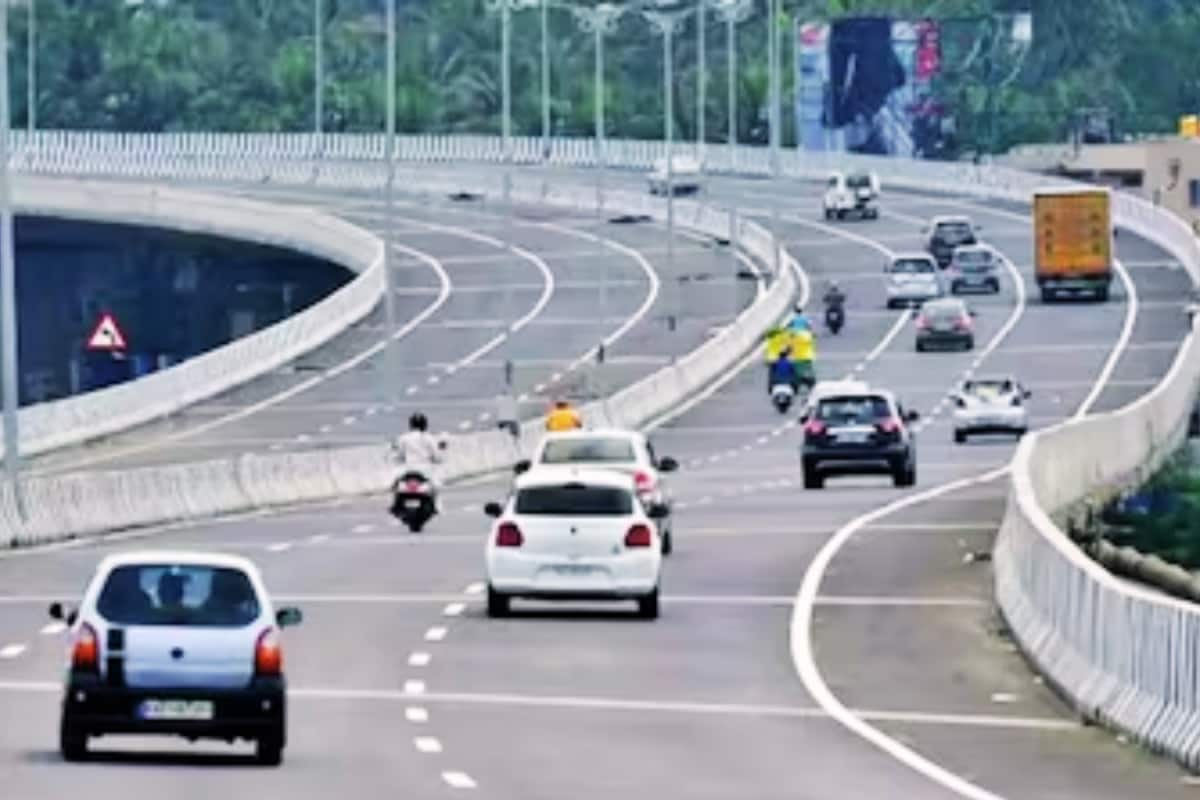
After a long wait of nearly nine years, the Barapullah Phase-3 corridor in Delhi is on the verge of completion. This ambitious project promises to revolutionize the commuting experience for thousands of residents and travelers alike. Once operational, it will create a smooth, signal-free route from Mayur Vihar to AIIMS, significantly reducing travel time across the city.
The Barapullah Phase-3 corridor is not just another infrastructure project; it represents a crucial enhancement to Delhi's already extensive network of roads and transport systems. The corridor will span a distance of approximately 10 kilometers and is designed to facilitate uninterrupted traffic flow. This is particularly important for the densely populated areas that surround Mayur Vihar and AIIMS, both of which see high volumes of daily commuters.
This new corridor will enhance connectivity between various parts of the city, including major hubs like the Delhi Metro and other public transport systems. Commuters traveling from East Delhi to central locations will no longer need to navigate through congested traffic, making their journeys more efficient. Furthermore, the Barapullah Phase-3 will connect several key areas, including the Indira Gandhi International Airport, facilitating smoother transit for both residents and tourists.
With the increasing concerns regarding air pollution and the environment, the Barapullah Phase-3 project has also incorporated various eco-friendly measures. The design includes green corridors and landscaping, which aim to improve air quality in the surrounding areas. Additionally, the reduction in travel time and congestion will lead to lower vehicle emissions, contributing to a cleaner and healthier environment in the capital.
Despite the benefits, the journey to complete Barapullah Phase-3 has not been without its challenges. The project faced numerous delays due to various factors, including land acquisition issues, funding constraints, and the complexities of urban construction. These factors led to frustration among commuters and stakeholders, with many questioning the viability of the project. However, with the renewed focus on infrastructure development by the government, construction efforts have gained momentum and are now finally nearing completion.
The opening of Barapullah Phase-3 is expected to bring about a plethora of benefits for daily commuters. With the promise of an efficient and quick route, it is likely to encourage more people to use public transport, thus reducing the reliance on personal vehicles. This shift could alleviate traffic congestion on the city's roads and promote a more sustainable urban transport system. Moreover, it will also enhance access to healthcare services at AIIMS, ensuring that residents can reach medical facilities without unnecessary delays.
The completion of Barapullah Phase-3 is just one step in a larger vision for improving transportation in Delhi. As the city continues to grow, urban planners and government officials are increasingly focused on developing smart transportation solutions that prioritize efficiency and sustainability. Future projects may include expanding Metro services, introducing electric buses, and creating dedicated cycling lanes to promote eco-friendly commuting options.
In conclusion, the near completion of the Barapullah Phase-3 corridor is a significant milestone for Delhi's infrastructure. This project embodies the city’s commitment to enhancing connectivity, reducing travel times, and embracing sustainable practices. As the opening day approaches, commuters eagerly await the benefits that this corridor will bring to their daily lives. With continued investments in infrastructure and transport, Delhi is on a promising path toward a more efficient and environmentally friendly future.


Loading more news...
You've reached the end of our news feed. Check back later for more updates!