
Health
Bhadohi News: 26 में से 25 आयुर्वेद अस्पतालों में मरीजों को भर्ती करने के लिए एक भी बेड नहीं
October 9, 2026
1,115 views
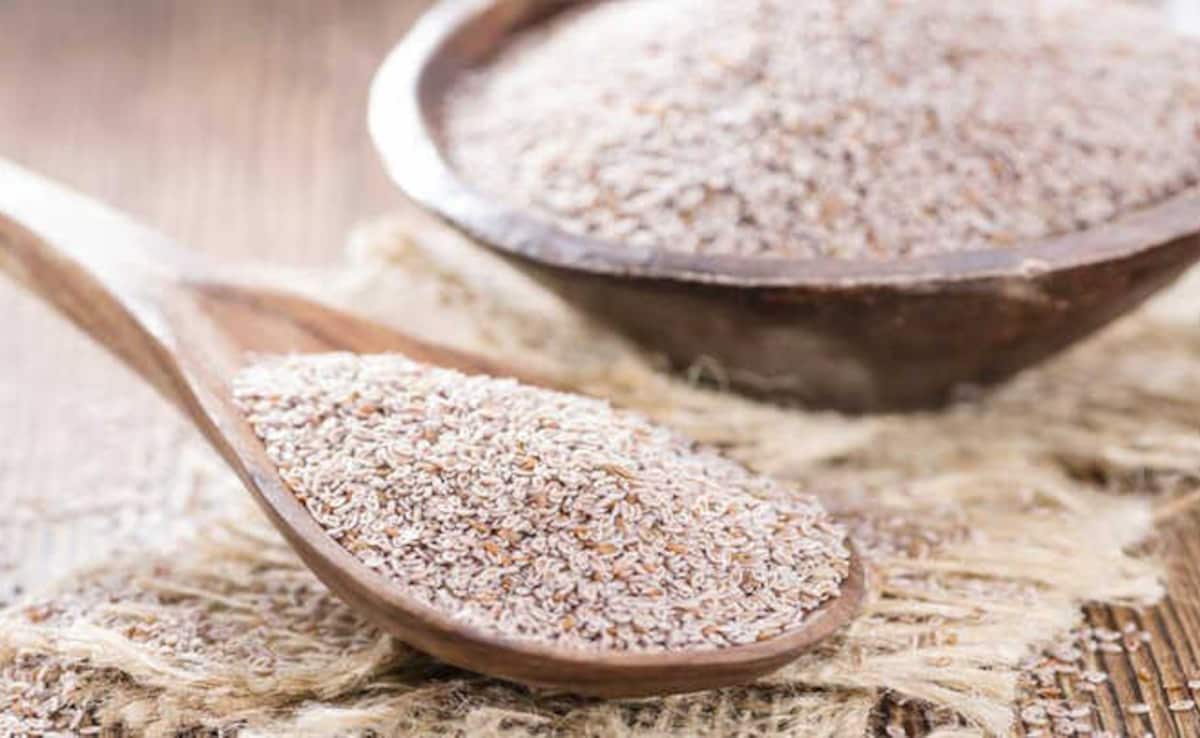
In recent studies, gastroenterologists have increasingly endorsed the inclusion of psyllium husk in the diets of individuals grappling with high cholesterol levels. This natural source of soluble fiber has emerged as an effective dietary addition for those aiming to improve their cardiovascular health. With heart disease remaining a leading cause of mortality worldwide, understanding how simple dietary changes can facilitate better health outcomes is crucial.
Psyllium husk is derived from the seeds of the Plantago ovata plant, native to India and other parts of Asia. The husks are rich in soluble fiber, which is known for its various health benefits. When mixed with water, psyllium husk forms a gel-like substance that can help regulate digestion and improve gut health. Gastroenterologists are now recommending a daily intake of 20 grams to help manage cholesterol levels effectively.
The primary mechanism through which psyllium husk aids in cholesterol reduction is its ability to bind to bile acids in the intestines. This binding process leads to the excretion of bile acids, which forces the liver to draw cholesterol from the bloodstream to produce more bile acids. As a result, this process helps to lower both LDL (low-density lipoprotein) and total cholesterol levels. A study published in the Journal of the American College of Cardiology found that individuals who incorporated psyllium husk into their daily routine experienced significant reductions in cholesterol levels over a period of just a few weeks.
Fiber is a vital component of a heart-healthy diet. According to the American Heart Association, diets high in fiber can lower the risk of heart disease by improving cholesterol levels and helping to manage weight. Psyllium husk is a particularly effective form of soluble fiber, which dissolves in water and forms a gel-like consistency. This not only aids in lowering cholesterol but also helps in regulating blood sugar levels and promoting a healthy digestive system.
Aside from its cholesterol-lowering properties, psyllium husk offers several other health benefits. It can help alleviate symptoms of irritable bowel syndrome (IBS), reduce constipation, and improve overall gut health. The gel-like consistency of psyllium husk can also create a feeling of fullness, which may assist in weight management. For those struggling with obesity or weight gain, incorporating psyllium husk into the diet can serve as a helpful strategy for controlling appetite and promoting healthier eating habits.
Incorporating psyllium husk into your daily diet is relatively easy. It can be added to smoothies, oatmeal, yogurt, or baked goods. When consuming psyllium husk, it is essential to drink plenty of water, as this helps the fiber expand and aids in digestion. Starting with a smaller amount and gradually increasing to the recommended 20 grams can help your body adjust without causing discomfort. Always consult with a healthcare provider before making significant dietary changes, especially for individuals with pre-existing health conditions.
While psyllium husk is generally considered safe for most individuals, some may experience mild side effects, such as bloating, gas, or abdominal discomfort. These symptoms are often temporary and can be managed by increasing water intake and adjusting portion sizes. It is crucial to listen to your body and make adjustments as necessary. If severe symptoms occur, it is advisable to consult a healthcare professional.
The endorsement of psyllium husk by gastroenterologists as a tool for managing high cholesterol levels highlights the importance of dietary fiber in maintaining cardiovascular health. As more individuals seek natural alternatives to manage their health, incorporating 20 grams of psyllium husk into the daily diet could be a simple yet effective strategy. By making this small change, individuals not only work towards lowering their cholesterol but also enhance their overall well-being.
In summary, psyllium husk is a powerful dietary addition that offers several health benefits, particularly for those looking to manage cholesterol levels. By understanding its effects and incorporating it into a balanced diet, individuals can take meaningful steps towards a healthier heart and improved overall health.


Loading more news...
You've reached the end of our news feed. Check back later for more updates!