
Business
Invetech & MeMed win 2026 Good Design Award Gold for MeMed Key™
October 9, 2026
2,539 views
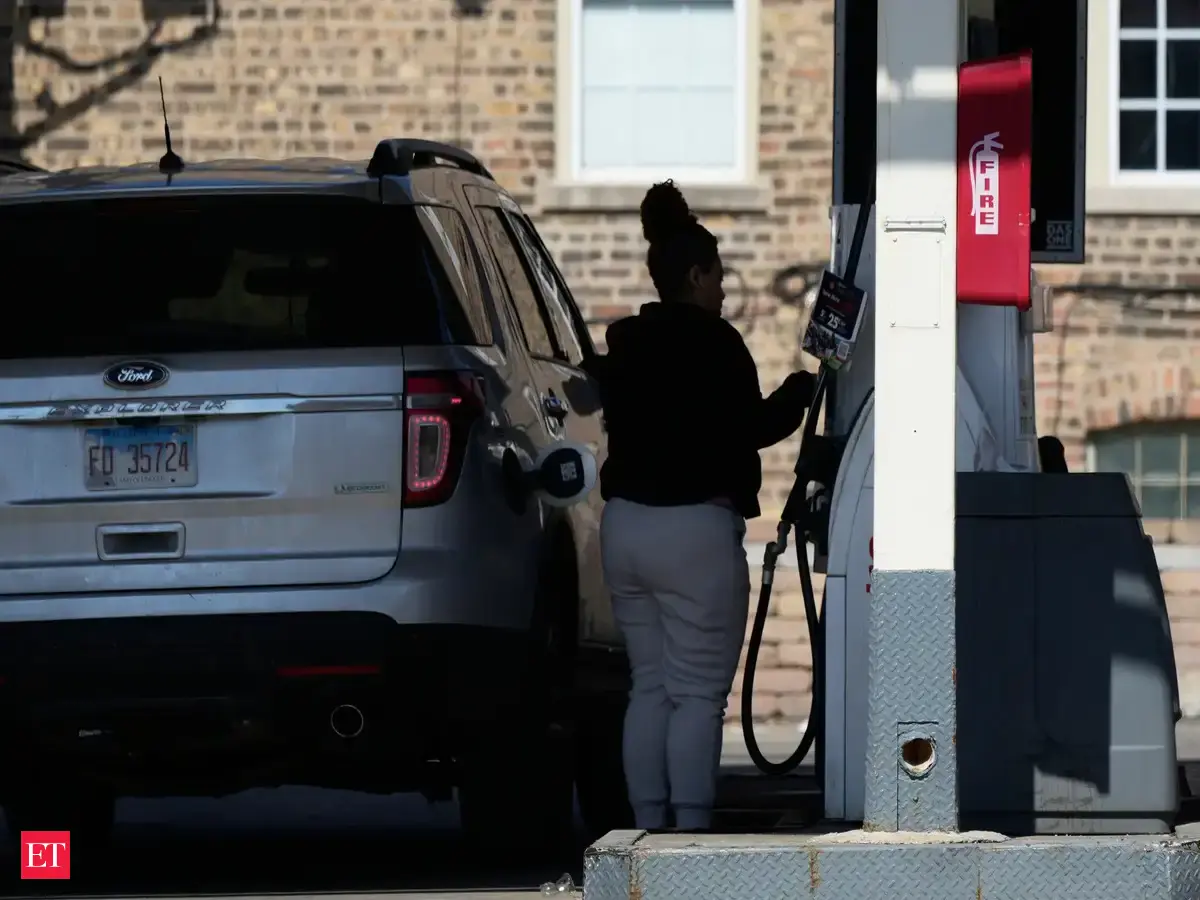
As of April 4, 2026, gasoline prices have reached an alarming national average of $4.104 per gallon, reflecting a significant increase that has been attributed to rising global crude oil prices. This surge is largely driven by ongoing tensions in the Middle East, which have disrupted supply chains and created market uncertainties. As the spring season approaches, drivers across the United States are facing an increase in their fuel expenses, with many states reporting substantial price hikes.
In this context, it's essential to examine the variations in gas prices across different states. California continues to grapple with the highest fuel prices in the nation, where the cost of regular gasoline has reached an astonishing $5.915 per gallon. This staggering figure reflects not only the state's stringent environmental regulations but also the limited supply due to refinery issues and high demand.
On the other hand, Texas presents a stark contrast with an average price of $3.824 per gallon. The Lone Star State benefits from its extensive oil production and refining capabilities, which help keep prices relatively lower compared to other regions. However, even Texas drivers are not entirely immune to the national trend, as prices continue to creep upwards.
The fluctuations in gas prices are often a mirror reflecting global events, particularly in oil-rich regions. Heightened tensions in the Middle East often lead to fears of supply disruptions, prompting traders to increase oil prices in anticipation of potential shortages. This effect trickles down to consumers, where the price at the pump becomes a daily reminder of the geopolitical climate.
In recent weeks, reports of conflicts and instability in oil-producing nations have heightened market anxiety, contributing to the continuous climb in gasoline prices. As a result, drivers across the nation are feeling the pinch, and many are reconsidering their driving habits and fuel consumption.
Looking beyond California and Texas, other states such as Pennsylvania, Florida, and New York are also experiencing notable increases in gas prices. In Pennsylvania, the average cost has climbed to approximately $4.200 per gallon, reflecting both local supply chain issues and the broader economic environment. Florida, known for its tourism and high travel demands, is seeing prices around $4.000, which is likely to affect vacation plans for many residents and visitors alike.
New York, with its dense population and high demand for transportation, is not far behind, with prices hovering around $4.150 per gallon. The state's unique challenges, including its infrastructure and regulatory environment, contribute to the overall cost of gasoline.
As we move further into spring, experts predict that gas prices may continue to rise, especially as travel increases during the warmer months. Many analysts suggest that unless there is a significant de-escalation of tensions in the Middle East or unexpected increases in domestic oil production, consumers should prepare for sustained high prices at the pump.
Furthermore, with the summer driving season approaching, demand is expected to spike, which could further exacerbate the situation. This reality prompts many drivers to consider alternatives, such as carpooling or utilizing public transport, to mitigate the impact on their wallets.
With the current landscape of high gas prices, consumers are encouraged to stay informed about local trends and prices. Utilizing apps and websites that track gas prices can help drivers find the most affordable options in their area. Additionally, planning trips during off-peak hours and maintaining vehicles for optimal fuel efficiency can also contribute to cost savings.
In conclusion, the rising gas prices are a reflection of complex global factors, and while the situation appears challenging, being proactive and informed can help consumers manage the impact on their finances. The road ahead may be bumpy, but with careful planning and awareness, drivers can navigate these turbulent waters.

Loading more news...
You've reached the end of our news feed. Check back later for more updates!