
Business
Invetech & MeMed win 2026 Good Design Award Gold for MeMed Key™
October 9, 2026
2,539 views
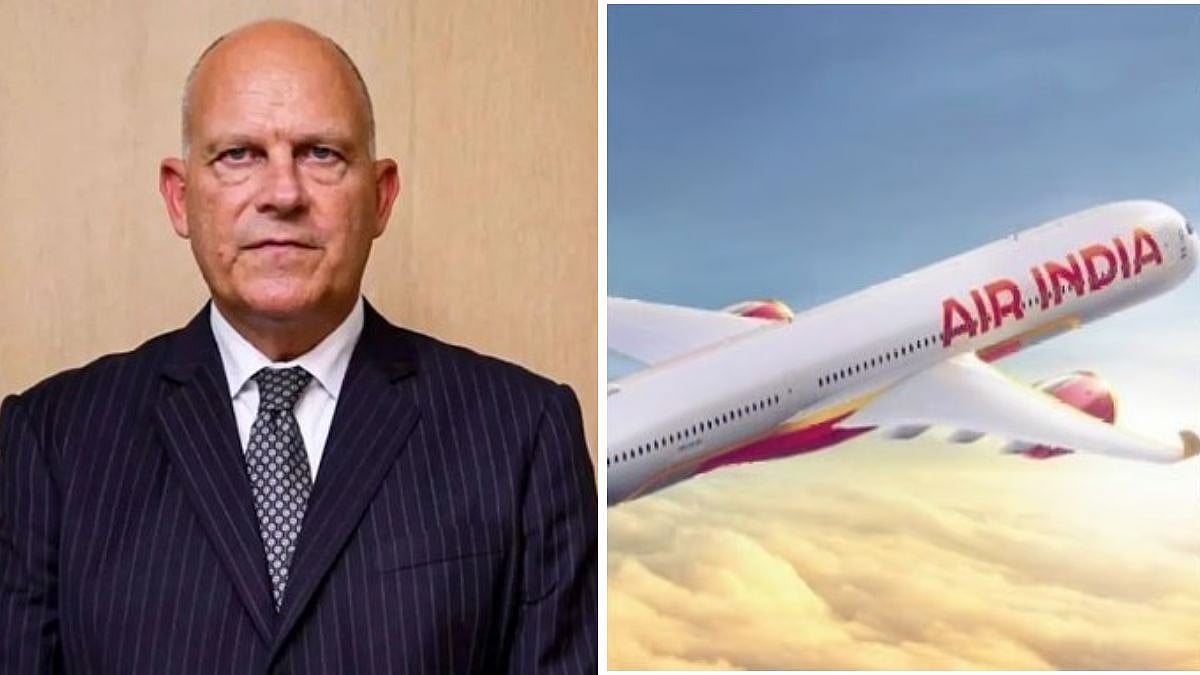
In a dramatic turn of events, Air India CEO Campbell Wilson has tendered his resignation, leaving the airline grappling with a multitude of challenges. The Tata-owned carrier is currently navigating through turbulent waters, characterized by financial strain, operational delays, and significant reputational damage following the tragic crash in Ahmedabad in 2025. As the search for Wilson's successor begins, questions arise about the future of Air India and whether the next leader can steer the airline out of this 'perfect storm.'
The sudden resignation of Campbell Wilson has sent shockwaves throughout the aviation industry. Under his leadership, Air India was making strides towards recovery and modernization after years of mismanagement. However, the recent crash—an incident that resulted in numerous casualties and public outcry—has overshadowed these efforts. The airline's reputation has taken a significant hit, causing many travelers to reconsider their options when flying. The next CEO will not only inherit these challenges but will also need to work on restoring trust among customers and stakeholders alike.
As Air India moves forward, it faces mounting financial pressure. The airline has been struggling with losses, which are projected to escalate in the coming months. Analysts predict that the carrier's debt, which already stands at several billion dollars, could increase as operational delays and unreliable service affect revenue generation. The need for a robust financial strategy is more pressing than ever. The next chief executive will need to take a hard look at the airline’s financial health and develop a plan to address the underlying issues that have plagued it for years.
The reputational damage caused by the Ahmedabad crash cannot be understated. Incidents like this have a ripple effect on customer trust and loyalty. Following the crash, many passengers have expressed hesitation in flying with Air India, leading to a decline in bookings. The next CEO will need to prioritize customer safety and satisfaction, ensuring that safety protocols are not only in place but are also communicated effectively to the public. Rebuilding the airline’s image will require transparency, accountability, and a commitment to higher safety standards.
In addition to the internal challenges, Air India is also grappling with external factors such as supply chain disruptions and geopolitical tensions. The global aviation industry has been affected by various crises, including fuel price volatility and trade disputes. These issues complicate the airline's ability to procure aircraft and parts needed for its operations, as well as affecting costs. The new CEO will need to navigate these complexities while ensuring that Air India remains competitive in a challenging market.
For Air India to emerge from this 'perfect storm,' the incoming CEO must implement a multifaceted strategy focused on recovery and growth. This includes optimizing operational efficiency, enhancing customer experience, and addressing financial inefficiencies. The airline must also invest in modernizing its fleet and technology to improve service quality and reliability. Furthermore, establishing partnerships and alliances could provide the necessary support to weather these challenging times.
As Air India stands at this crucial juncture, the choice of its next CEO will be pivotal in determining its future. The new leader must be a visionary capable of navigating through financial turmoil, operational setbacks, and reputational challenges. With a strategic approach, a focus on safety, and an emphasis on customer satisfaction, Air India can turn the tide in its favor. The road ahead will undoubtedly be challenging, but with the right leadership, the airline has the potential to rise from the ashes like a phoenix and reclaim its position in the aviation market.


Loading more news...
You've reached the end of our news feed. Check back later for more updates!