
Politics
धरना-प्रदर्शनों का नया कारोबार: लोकतंत्र की आड़ में आखिर किसके हित साधे जा रहे हैं?
October 10, 2026
1,612 views
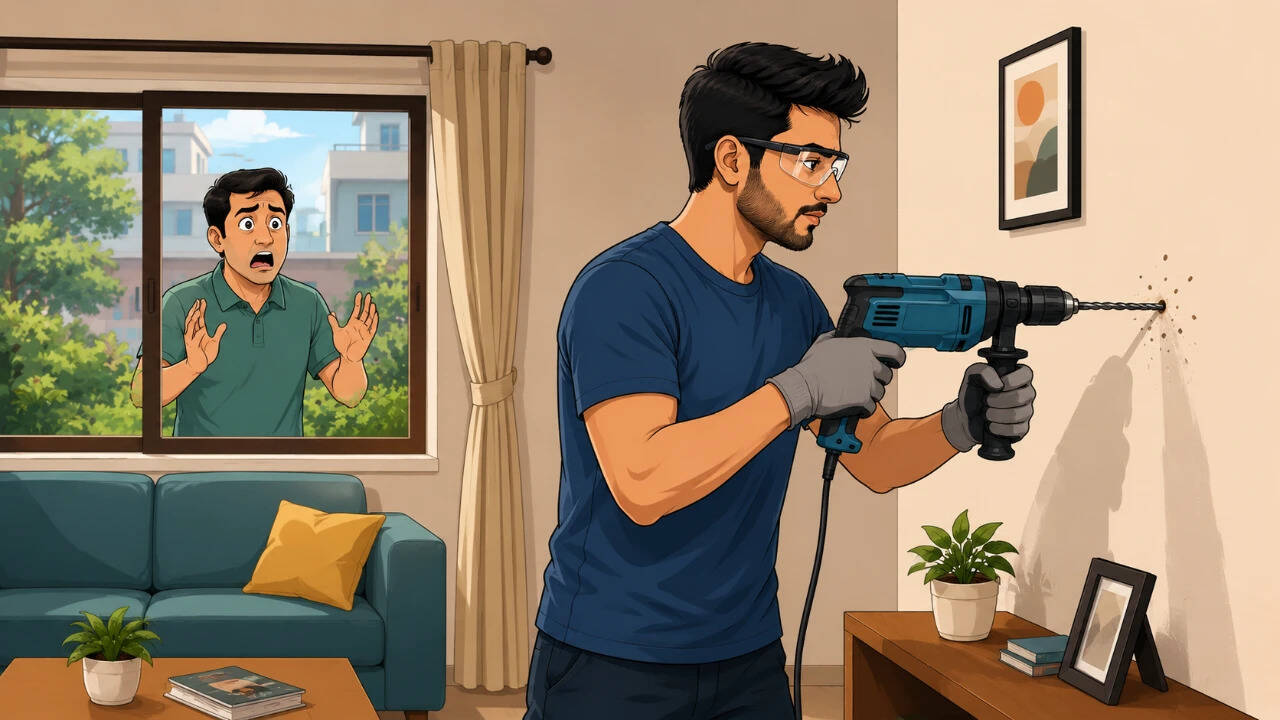
Moving into a new rental property is an exciting opportunity for many, as it allows individuals to create a space that reflects their personality and lifestyle. However, personalising your rented space comes with a set of legal boundaries that tenants must be aware of. Understanding these boundaries is crucial to ensuring a harmonious relationship with landlords and avoiding potential disputes.
The Transfer of Property Act, 1882 serves as a fundamental framework governing the rights and responsibilities of tenants and landlords in India. According to this act, tenants have the right to make certain changes to their living spaces, but these changes must be temporary and reversible. For instance, hanging artwork, installing shelves, or adding temporary wallpaper are typically permissible as they do not cause permanent damage to the property.
When it comes to personalising your living space, there are several ways to make your rented home feel more like yours without breaching your lease agreement. Here are some common temporary changes that are usually allowed:
While tenants have the freedom to make temporary alterations, permanent changes pose a different set of challenges. These changes include anything that cannot be easily undone or that significantly alters the structure or appearance of the property. Examples include:
Before embarking on any permanent changes, it is essential to communicate openly with your landlord. Many landlords appreciate tenants who take the initiative to improve their space but will want to ensure that any changes align with their long-term plans for the property.
Regardless of the type of changes you plan to make, it is vital to document any agreements with your landlord. This can prevent misunderstandings and disputes down the line. Here are some tips for effective documentation:
Building a positive relationship with your landlord can make the rental experience more enjoyable. Good communication and mutual respect can lead to a more accommodating approach when it comes to personalising your space. Many landlords are open to reasonable requests, especially if they understand that the changes will enhance the property’s appeal.
In conclusion, while tenants have the right to personalise their rented homes to a certain extent, they must also be aware of the legal limitations set forth by the Transfer of Property Act, 1882. By focusing on temporary, reversible changes and maintaining clear communication with landlords, tenants can create a comfortable and welcoming living space without stepping over legal boundaries. It’s about finding a balance between making the space your own and respecting the property rights of the landlord.


Loading more news...
You've reached the end of our news feed. Check back later for more updates!