Science
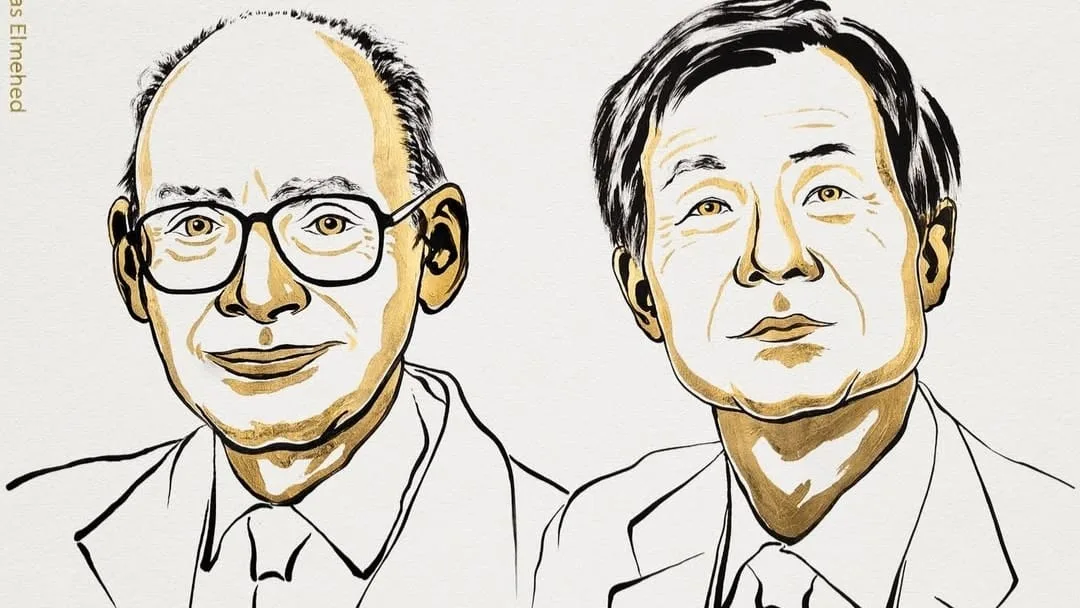
Henri Kagan wins Nobel Prize at 95: Check out his contributions to chemistry and pharmacy
October 9, 2026
2,834 views
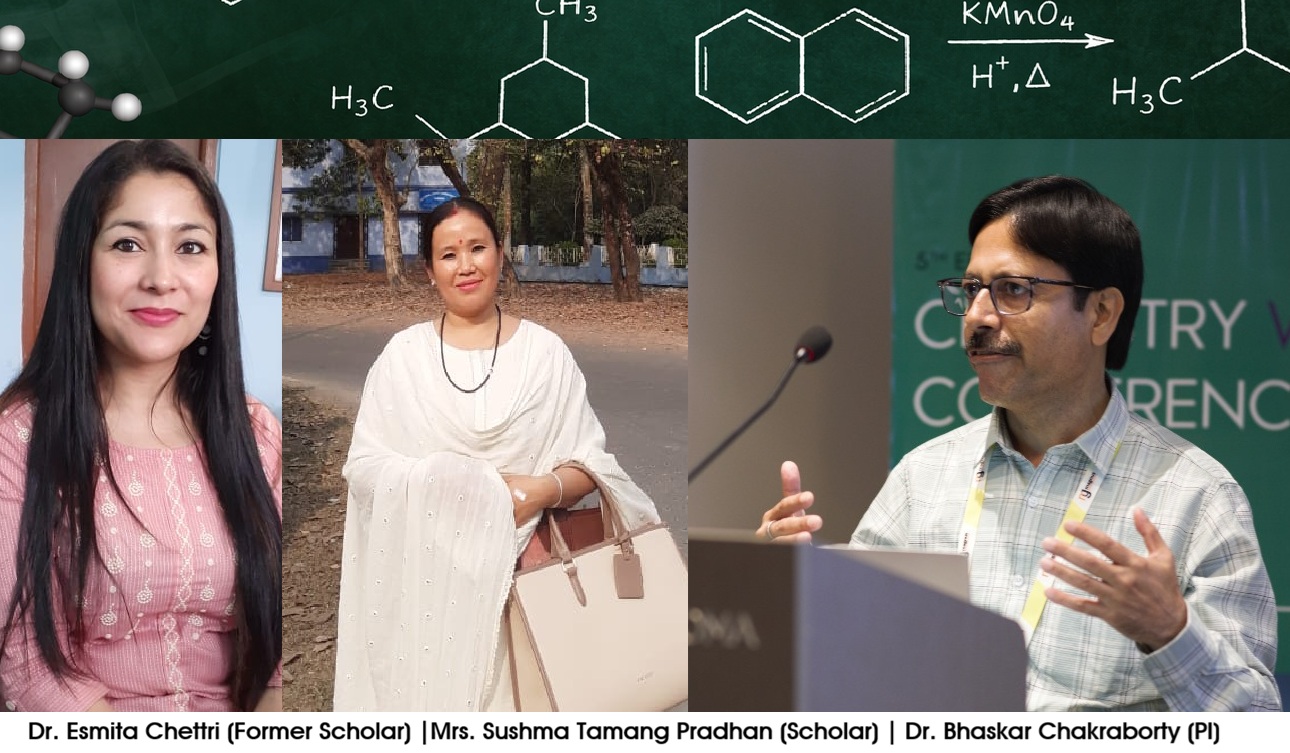
Gangtok, April 8: A revolutionary discovery made by a team led by Dr. Bhaskar Chakraborty at the Sikkim Government College has the potential to transform the landscape of cancer treatment. The research focuses on the unique properties of fluorine and its application in developing novel anticancer drugs. This breakthrough not only highlights the scientific prowess of Sikkim's local researchers but also positions the region as a significant contributor to global health challenges.
Fluorine is a highly reactive element known for its ability to form stable bonds with various organic compounds. This quality makes it an essential component in the synthesis of pharmaceuticals. The discovery by Dr. Chakraborty’s team involves the use of fluorinated compounds that can selectively target cancer cells while minimizing damage to healthy tissues. This selectivity is crucial in chemotherapy, where traditional drugs often cause severe side effects due to their lack of discrimination between cancerous and healthy cells.
The journey to this discovery began in the Himalayan labs of Sikkim, where the unique biodiversity and environmental conditions provide a rich source of natural compounds. Dr. Chakraborty and his team conducted extensive studies on local flora and fauna, isolating compounds that exhibit potential anticancer properties. Through various chemical modifications, they integrated fluorine into these compounds, enhancing their efficacy against cancer cells.
Collaboration with other research institutions and laboratories has been pivotal in validating their findings. Preliminary tests have shown promising results in vitro, indicating that the fluorinated compounds can inhibit the growth of various cancer cell lines. These findings are now paving the way for further in vivo studies and clinical trials.
Despite the promising results, the path to developing a new drug is fraught with challenges. The transition from laboratory research to clinical application requires significant funding, regulatory approvals, and comprehensive testing to ensure safety and efficacy. Dr. Chakraborty’s team is actively seeking partnerships with pharmaceutical companies and research institutions to navigate these hurdles.
Additionally, educating the public and the scientific community about the potential benefits of these new drugs is essential. There is often skepticism surrounding new treatments, especially in the field of oncology where patients and families are desperate for solutions. Dr. Chakraborty emphasizes the importance of transparency in the research process and the need for robust data to support claims.
This discovery is not just a win for Sikkim but could have far-reaching implications for cancer treatment globally. Cancer remains one of the leading causes of death worldwide, with millions diagnosed each year. The need for more effective and less toxic treatments has never been greater. By harnessing the unique properties of fluorine, Dr. Chakraborty and his team may set a precedent for future research in cancer therapeutics.
Moreover, this research showcases the potential of local scientists to contribute significantly to global health issues. It highlights the importance of investing in scientific research in developing regions, where unique resources and knowledge can lead to groundbreaking discoveries. The success of this project could inspire future initiatives aimed at addressing other pressing health challenges.
The ongoing research led by Dr. Bhaskar Chakraborty at Sikkim Government College marks a significant milestone in the fight against cancer. The innovative use of fluorine in developing new anticancer drugs holds great promise for improving treatment options for patients worldwide. As the team advances towards clinical trials, the scientific community and the public await the results with anticipation, hoping for a breakthrough that could change the face of cancer treatment forever.


Loading more news...
You've reached the end of our news feed. Check back later for more updates!