
Science
Henri Kagan wins Nobel Prize at 95: Check out his contributions to chemistry and pharmacy
October 9, 2026
2,834 views
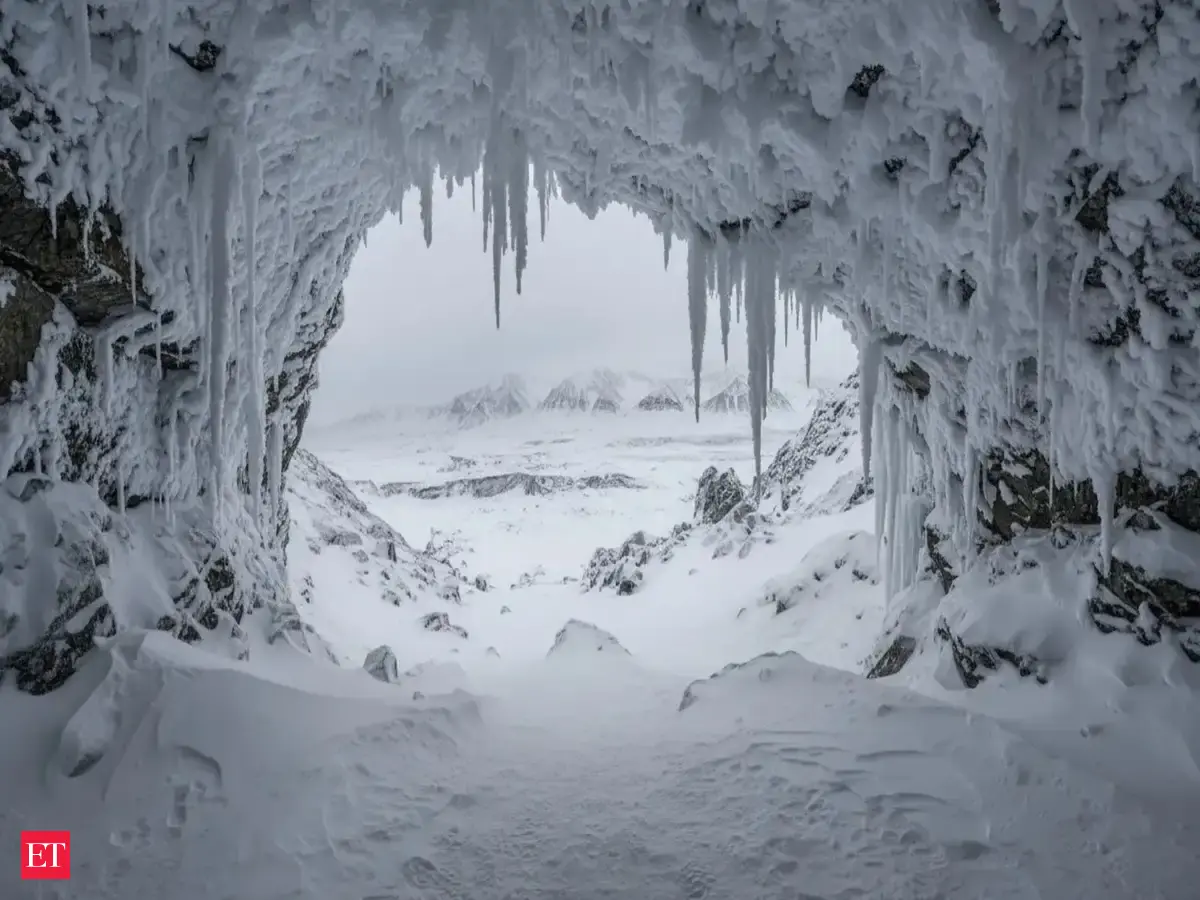
In a groundbreaking advancement in the field of paleogenomics, researchers have begun utilizing ancient DNA extracted from cave sediments to uncover the secrets of the Ice Age. This innovative approach marks a significant shift in how scientists study prehistoric ecosystems, enabling them to identify extinct species and understand the complexities of ancient environments without the traditional reliance on fossil remains. By analyzing these ancient genetic materials, researchers are not only reconstructing past ecosystems but also gaining insights into the behaviors and interactions of species that roamed the Earth tens of thousands of years ago.
The process of extracting ancient DNA from soil involves a meticulous series of steps. Researchers collect sediment samples from cave sites known for their rich archaeological significance. The sediment serves as a time capsule, containing traces of organisms that lived in that area during the Ice Age. By isolating and sequencing the DNA present in these sediments, scientists can identify various species, even those that left no physical remains.
This technique, known as environmental DNA (eDNA) analysis, has proven to be a game-changer. Unlike traditional methods that focus on fossilized bones and teeth, which are often scarce or incomplete, eDNA provides a broader and more diverse picture of past life. The ability to detect genetic material from a wide array of organisms, including plants, animals, and microorganisms, allows researchers to construct a more comprehensive view of ancient ecosystems.
Through the analysis of cave sediment, scientists have begun to piece together the puzzle of Ice Age environments. By identifying the plant and animal species present in a specific area, researchers can infer the climate conditions and ecological dynamics of that time. For instance, the presence of certain pollen types can indicate what kind of vegetation thrived in the region, while the detection of specific animal DNA can reveal predator-prey relationships and migration patterns.
One of the most significant findings from this research has been the identification of Homo sapiens and Neanderthals in various ancient cave sites. The genetic evidence extracted from sediments provides critical information about their interactions, including instances of cohabitation and competition for resources. Such discoveries help to illuminate the migratory patterns of these early humans, offering a clearer picture of how they adapted to changing climates and landscapes during the Ice Age.
The analysis of ancient DNA from sediments also offers valuable insights into the extinction events that shaped the course of evolution. By examining the genetic material of species that vanished during the Ice Age, researchers can identify potential causes of extinction, such as climate change, habitat loss, and competition with emerging species. This understanding is crucial in informing current conservation efforts, as it highlights the vulnerabilities of species in the face of rapid environmental changes today.
Moreover, the ability to detect ancient genetic material enriches our understanding of biodiversity and its fluctuations over millennia. It challenges the notion that the fossil record alone can provide a complete account of past life, showcasing the importance of interdisciplinary approaches in paleontological research.
While the potential of sediment DNA analysis is vast, researchers face several challenges. One of the primary concerns is the degradation of DNA over time, which can complicate the extraction and sequencing processes. Additionally, contamination from modern organisms can skew results, necessitating rigorous protocols to ensure the integrity of the samples.
Despite these hurdles, the future of cave sediment research looks promising. As technology advances, particularly in sequencing techniques and bioinformatics, researchers are optimistic about uncovering even more complex narratives of prehistoric life. Ongoing studies aim to expand the geographical scope of sediment analysis, exploring new cave sites around the world to further enrich our understanding of global Ice Age ecosystems.
The shift from fossil-based research to sediment DNA analysis represents a revolutionary leap in the field of paleontology. By embracing this innovative methodology, scientists can delve deeper into the mysteries of the past and construct more detailed and nuanced models of ancient ecosystems. The revelations from sediment studies not only enhance our knowledge of extinct species but also provide critical lessons about resilience and adaptation in the face of environmental change.
In conclusion, the analysis of ancient DNA from cave sediments is redefining the boundaries of prehistoric research. As scientists continue to uncover the rich tapestry of life that existed during the Ice Age, we are reminded of the intricate connections between species and the environments they inhabit. This burgeoning field not only sheds light on our evolutionary history but also serves as a poignant reminder of the importance of biodiversity and conservation in today's rapidly changing world.


Loading more news...
You've reached the end of our news feed. Check back later for more updates!