
Entertainment
Faridabad News: रामजन्म से लेकर ताड़का वध तक के प्रसंगों का मंचन
October 9, 2026
669 views
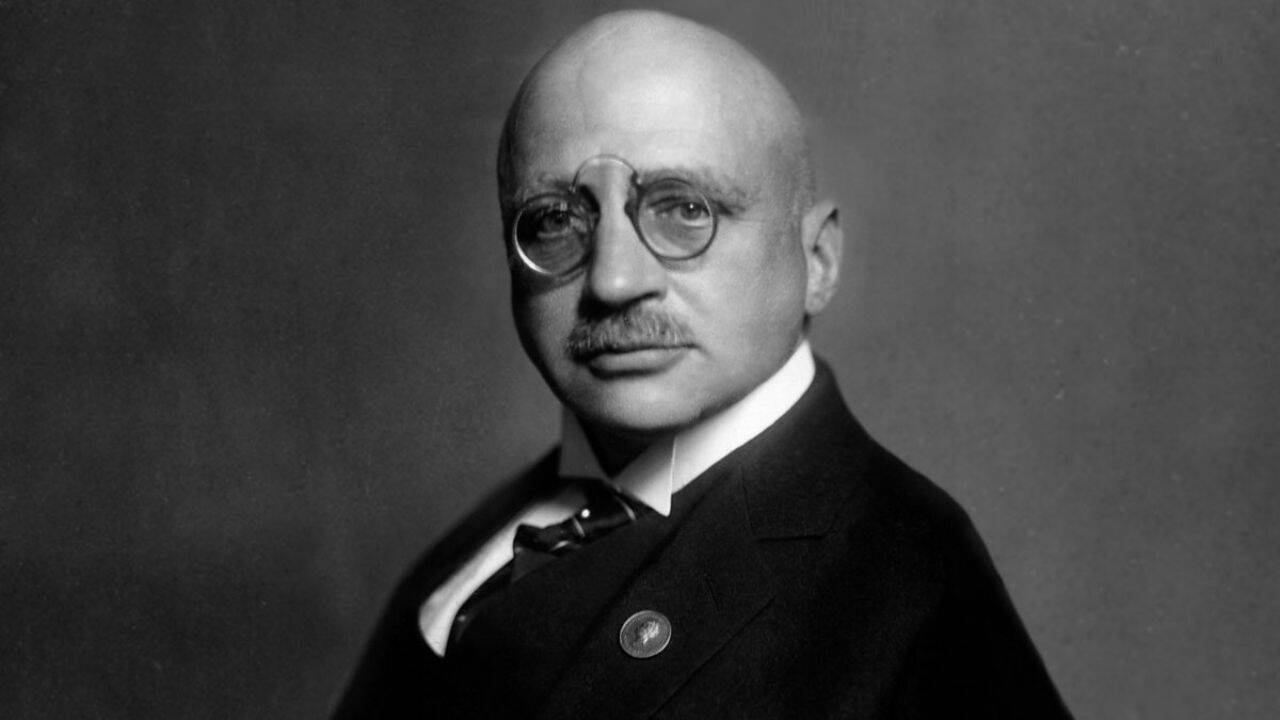
Science News: In the closing years of the 19th century, German chemistry was moving between lecture theatres, factory floors, and military laboratories with an ease. Among the giants of this transformative era was Fritz Haber, a chemist whose contributions to agriculture and warfare would shape the course of human history. His dual legacy, as a benefactor of humanity through the Haber-Bosch process and as a facilitator of chemical warfare, presents a complex portrait of scientific innovation intertwined with ethical dilemmas.
Fritz Haber's most significant contribution to science is undoubtedly the Haber-Bosch process, developed in the early 20th century. This method synthesizes ammonia from nitrogen and hydrogen gases, allowing for the production of fertilizers on an unprecedented scale. Prior to this breakthrough, the world faced a looming crisis in food production. Population growth was outpacing agricultural output, leading to widespread hunger and malnutrition.
By enabling the mass production of ammonia, the Haber-Bosch process effectively transformed the agricultural landscape. It is estimated that this innovation has been responsible for feeding nearly half of the global population today. The process allows for the creation of nitrogen fertilizers that enhance crop yields, making it possible to sustain billions of people. However, the ecological impact of such extensive fertilizer use has sparked debates about sustainability and environmental degradation.
While the Haber-Bosch process revolutionized agriculture, Fritz Haber’s legacy is also marred by his involvement in the development of chemical weapons during World War I. As the war intensified, Haber applied his scientific expertise to create lethal gases, such as chlorine and mustard gas, which were used in trench warfare. This marked a dark turn in his career, showcasing how scientific advancements could be harnessed for destructive purposes.
Haber's justification for this shift was rooted in nationalism and the belief that his contributions could help secure victory for Germany. However, the devastating consequences of chemical warfare, including long-term health impacts on soldiers and civilians alike, have led to a reevaluation of his contributions. The ethical implications of using chemistry as a tool for war have sparked ongoing discussions in scientific communities about the responsibilities of scientists.
Fritz Haber’s life is a testament to the duality of scientific progress. Born in 1868 in Breslau, Prussia (now Wrocław, Poland), he was a brilliant student who excelled in chemistry. His early career was marked by significant achievements, including his work on gas reactions and thermodynamics. He received the Nobel Prize in Chemistry in 1918 for the synthesis of ammonia, a recognition that cemented his status as a leading figure in the scientific community.
However, his later years were fraught with turmoil. After World War I, Haber faced backlash for his role in chemical warfare. The very society that once celebrated his achievements began to question the morality of his scientific pursuits. His Jewish heritage also placed him in a precarious position during the rise of the Nazi regime. Despite his contributions to Germany, he emigrated in 1933, eventually settling in Switzerland, where he died in 1934.
The story of Fritz Haber serves as a cautionary tale about the responsibilities of scientists in society. It raises critical questions about the ethical implications of scientific discoveries. As we continue to face global challenges such as food security, climate change, and bioethics, the need for responsible innovation becomes ever more apparent. The legacy of Haber compels scientists to consider not only the potential benefits of their work but also the possible consequences of its application.
In contemporary discussions surrounding biotechnology and artificial intelligence, the lessons from Haber's life are particularly relevant. The potential for scientific advancements to improve human life must be balanced with a commitment to ethical practices and a consideration of the broader impact on society and the environment.
Fritz Haber remains a complex figure in the annals of science, embodying the potential for human ingenuity to both nurture and destroy. His revolutionary discoveries have undeniably improved the lives of billions, yet they also serve as a reminder of the darker capabilities of scientific advancement. As we navigate the future of science and technology, it is crucial to reflect on the lessons of the past, ensuring that innovation is pursued with a strong ethical framework that prioritizes the well-being of humanity and the planet.


Loading more news...
You've reached the end of our news feed. Check back later for more updates!