Politics
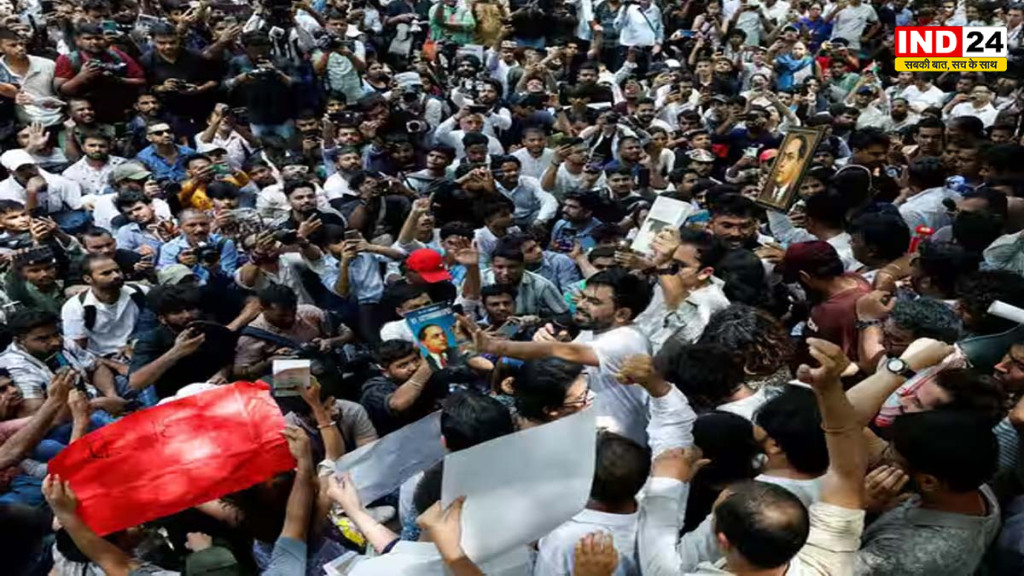
धरना-प्रदर्शनों का नया कारोबार: लोकतंत्र की आड़ में आखिर किसके हित साधे जा रहे हैं?
October 10, 2026
1,612 views

In a striking display of military ambition, Iran has publicly declared its commitment to rapidly enhancing its missile and drone capabilities during the ongoing ceasefire. This move, characterized by statements from Brigadier General Mousavi of the Islamic Revolutionary Guard Corps (IRGC), emphasizes a significant acceleration in production efforts rather than a slowdown, suggesting an unwavering readiness for any future conflicts. The implications of this development are profound, as Iran signals its intent to reinforce its military infrastructure while its adversaries may be facing logistical hurdles due to their reliance on external supply chains.
According to Gen. Mousavi, the Iranian military is not only restoring its missile systems but also upgrading and replenishing its arsenal at an unprecedented rate. This strategy reflects a deep-seated adaptation of Iran's defense industry to operate effectively under wartime conditions. The military's ability to maintain and even increase production levels during a ceasefire period is a calculated move, aimed at ensuring that Iran remains poised for action should hostilities resume. The general's statements highlight a dual approach: while rebuilding missile platforms, Iran is simultaneously enhancing its drone capabilities, which have become increasingly vital in modern warfare.
The Iranian defense strategy underscores a broader geopolitical narrative—viewing the ceasefire not as a cessation of hostilities but as an opportunity to prepare for potential escalation. By focusing on the dual development of missile and drone systems, Iran is signaling to both domestic and international audiences that it will not be caught off guard. The military's preparedness serves a dual purpose: deterring adversaries and bolstering national morale amid ongoing tensions in the region.
Missile and drone platforms are central to Iran's military strategy, as they provide a means of projecting power and responding to threats. The focus on these systems is indicative of a calculated effort to enhance both offensive and defensive capabilities. Iran’s recent advancements in drone technology, coupled with its missile programs, have not only increased its military prowess but also altered the regional balance of power. Analysts suggest that by restoring and upgrading these systems, Iran aims to ensure that it can conduct operations independently without relying on external support.
In a pointed critique of its adversaries, Iranian officials have argued that their enemies may encounter significant challenges in rebuilding their military capabilities due to their dependence on complex international supply chains. This assertion highlights a critical advantage Iran perceives it holds: the ability to regenerate its military assets internally. The resilience of Iran's defense industry, despite facing sustained attacks and international sanctions, has enabled it to maintain a steady production rate, which could prove advantageous in any future military confrontation.
The revelations regarding Iran's military preparations have elicited varied responses from the international community. Many nations are closely monitoring the situation, as enhanced Iranian capabilities could lead to increased tensions in an already volatile region. The United States and its allies have expressed concern over Iran's advancements in missile and drone technology, prompting discussions about the need for renewed diplomatic efforts to curb Tehran's military ambitions.
This situation calls into question the effectiveness of current diplomatic strategies aimed at limiting Iran's military capabilities. The notion that Iran views the ceasefire as a tactical phase rather than a resolution raises alarms among policymakers who worry about the potential for renewed conflict. As Iran continues to bolster its military readiness, the need for a comprehensive approach to address the underlying issues fueling regional tensions becomes increasingly urgent.
As the Iranian military continues to rebuild its missile and drone arsenal at full speed, the implications for regional stability are significant. The strategic messaging from Iran suggests an unwavering commitment to maintaining and enhancing its military capabilities, regardless of the current geopolitical climate. With the potential for conflict looming, both Iran and its adversaries must navigate a complex landscape where military readiness and diplomatic efforts will play critical roles in shaping the future of the region.
In conclusion, Iran's rapid military buildup during this ceasefire period signals a clear intention to remain prepared for any eventualities. The international community must remain vigilant and proactive in addressing the challenges posed by Iran's evolving military landscape, as the consequences of inaction could lead to heightened tensions and conflict in the future.


Loading more news...
You've reached the end of our news feed. Check back later for more updates!