Politics
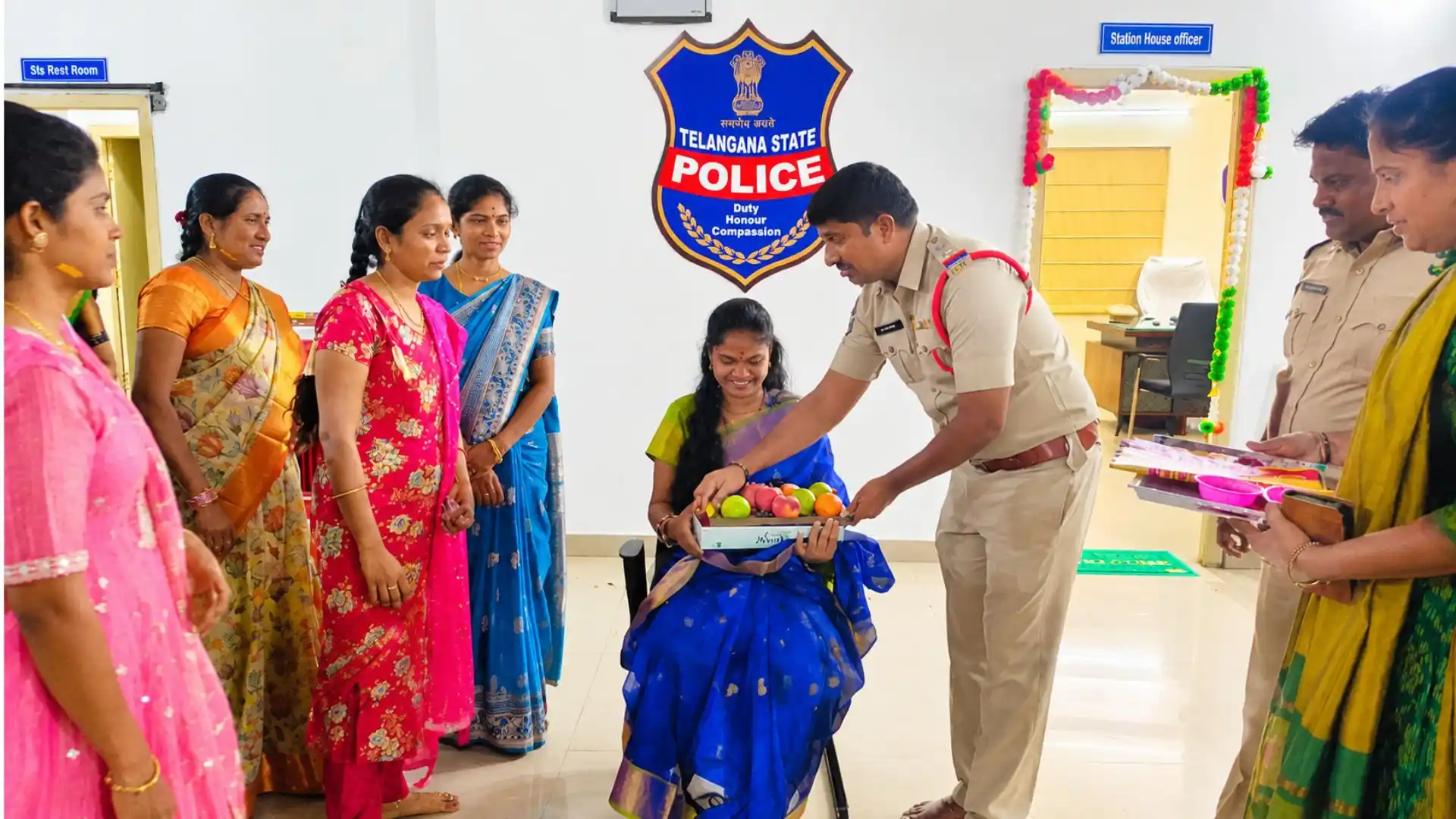
ఖాకీ డ్రెస్ వెనుక అంతులేని కారుణ్యం.. గర్భవతిగా ఉన్న కానిస్టేబుల్ కి ఊహించని సర్ఫ్రైజ్
October 17, 2026
2,576 views

<p>The third phase of the Election Commission of India’s (ECI) Special Intensive Revision (SIR) has triggered a fresh political and administrative debate after draft electoral roll figures showed that nearly 13.37 crore voters across 30 states and Union territories — around 14.1% of the electorate — have not made it to the draft lists.</p> <p>The draft electoral rolls for Delhi and Maharashtra, released on Monday, have brought the scale of the deletions into sharp focus, particularly in urban areas. Together, more than 2.54 crore names have been left out of the draft rolls in the two states, raising questions over the administrative exercise while potentially reshaping electoral calculations ahead of upcoming elections.</p> <p>The figures are striking. In Maharashtra, more than 2.06 crore voters — 21.14% of those registered before the SIR exercise — are missing from the draft roll. In Delhi, the reduction is even steeper, with around 47.7 lakh names, or nearly 33% of the registered electorate, left out.</p> <p><strong>ALSO READ | <a href="https://news.abplive.com/news/sonam-wangchuk-says-cjp-wanted-to-end-protest-after-jantar-mantar-july-20-crackdown-abhijeet-dipke-prakhar-gupta-pgx-podcast-1864643">‘Now There Is No Hope’: Sonam Wangchuk Says CJP Wanted To End Protest After Crackdown</a></strong></p> <h2>Maharashtra: Urban Centres Bear The Biggest Impact</h2> <p>According to the Maharashtra Chief Electoral Officer’s office, the state had 9,78,54,049 registered voters before the SIR exercise. That number has fallen to 7,71,65,562 in the draft roll, leaving more than 2.06 crore names out of the list.</p> <p>A significant share of the deletions is concentrated in three major urban and metropolitan districts — Pune, Thane and Mumbai Suburban. Together, they account for 83.83 lakh of the names left out, or around 40.5% of the total deletions in Maharashtra.</p> <p>The scale of the change is particularly significant in areas such as the Mumbai Metropolitan Region and the Pune industrial belt, which have large populations of migrants and tenants from across the country. Changes of address, the absence of biometric mapping and failure to submit enumeration forms are among the factors cited in the data provided for the exercise. With more than 2.06 crore names missing from the draft, the number is also larger than the total votes secured by any single political party in the state, potentially altering electoral calculations in urban constituencies.</p> <p><iframe title="YouTube video player" src="https://www.youtube.com/embed/NAiqqFG3Mws?si=W9xQBzdbqyOAHSwb" width="560" height="315" frameborder="0" allowfullscreen="allowfullscreen"></iframe></p> <h2>Delhi: Nearly One In Three Voters Missing</h2> <p>Delhi has recorded the sharpest percentage reduction among the figures cited in the draft data. The number of registered voters in the national capital has fallen from around 1.45 crore to 97.53 lakh.</p> <p>That means approximately 47.7 lakh names, or 32.8% of the electorate, have not appeared in the draft roll. In percentage terms, this is the highest reduction reported across the country in the data.</p> <p>The data also points to significant differences between Assembly constituencies in the pace of digitisation of enumeration forms. Rohini recorded the highest level of digitisation at 83.4%, while the figure in Tughlakabad stood at just 52.1%.</p> <p>Questions have also emerged over the broad ‘Others’ category used to classify some deletions. The principal reasons cited in Delhi include absence at 29.86%, death at 1.95% and duplication at 0.98%. However, the large number of names placed under ‘Others’ has prompted calls for greater administrative clarity over the reasons behind the exclusions.</p> <p><strong>ALSO READ | <a href="https://news.abplive.com/news/india/sonia-gandhi-memoir-row-penguin-india-denies-external-pressure-says-talks-hit-impasse-1864656">Sonia Gandhi Memoir Row: Penguin India Denies External Pressure, Says Talks Hit ‘Impasse’</a></strong></p> <h2>Draft Roll Is Not The Final Electoral List</h2> <p>The most important distinction in the SIR exercise is that exclusion from the draft electoral roll does not automatically mean permanent loss of voting rights. Analysts and legal experts have stressed that a draft list should not be treated as the final outcome of the revision process.</p> <p>Under the Election Commission’s process, voters whose names are missing have an opportunity to file claims and objections. In Delhi, Maharashtra and the other affected states, this window runs from August 31 to September 30, 2026.</p> <p>The claims will then be examined by Electoral Registration Officers (EROs) by October 29. Following the verification process, the final revised electoral rolls are scheduled to be published on November 4, 2026.</p> <p>The draft figures therefore represent an important stage of the SIR exercise, rather than its conclusion. The coming weeks will determine how many of the excluded names are restored to the electoral rolls after claims and objections are examined.</p>
Loading more news...
You've reached the end of our news feed. Check back later for more updates!