
Business
Invetech & MeMed win 2026 Good Design Award Gold for MeMed Key™
October 9, 2026
2,539 views
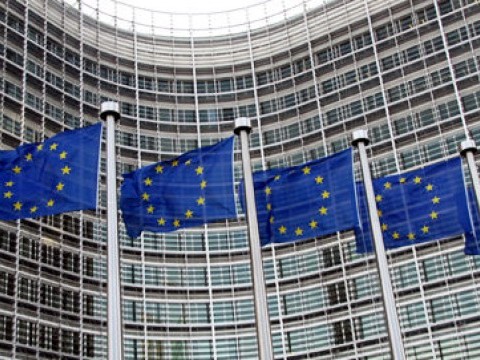
Europe has discovered something unusual during the latest energy crisis: its emergency system actually works. The closure of the Strait of Hormuz removed or disrupted one of the largest flows of oil and gas in the world. Prices rose, shipping routes changed, insurance costs increased, and concerns emerged over the availability of refined products, particularly aviation fuel. Yet Europe did not run out of oil, diesel, or jet fuel. That outcome should not be dismissed. It resulted from decades of mandatory stockholding, coordinated emergency planning, and a robust energy policy framework that has been shaped over the years to mitigate such crises.
The ability of Europe to weather this latest storm without significant shortages highlights the importance of strategic reserves. These reserves, mandated by European regulations, require member states to maintain a certain level of oil reserves that can be tapped into during emergencies. As the situation in the Strait of Hormuz escalated, these reserves proved invaluable. Countries across Europe were able to draw on their stockpiles, ensuring that critical sectors—especially transportation and aviation—remained functional.
Several factors contributed to Europe’s successful navigation through this energy crisis. First and foremost was the coordinated emergency planning among EU member states. The European Union’s energy framework allows for rapid sharing of resources and information, enabling countries to respond swiftly to disruptions. In addition, the diversification of energy sources has played a significant role. Europe has invested heavily in renewable energy and alternative suppliers over the years, reducing its dependency on any single region for its energy needs.
As Europe’s reliance on traditional fossil fuels has begun to wane, the role of renewable energy cannot be underestimated. Wind, solar, and hydropower have increasingly been integrated into the energy mix, providing resilience against supply shocks. During the crisis, when oil and gas prices surged, many countries were able to lean more heavily on their renewable capabilities, thus mitigating the impacts of rising fossil fuel costs.
However, while the recent crisis showcased the strength of Europe’s emergency energy framework, it also raised questions about the future. The next test, many experts believe, will be significantly harder. With geopolitical tensions rising and climate change pushing for a faster transition to sustainable energy, Europe must be prepared for more frequent and severe disruptions. The reliance on strategic reserves may not be enough if the scale of future crises exceeds current capacities.
To face these upcoming challenges, investment in infrastructure will be critical. This includes not only expanding renewable energy projects but also modernizing the energy grid to manage and distribute energy more effectively. Increased interconnectivity between nations will allow for more efficient sharing of resources, which can be crucial during widespread shortages. Furthermore, developing advanced storage solutions for renewable energy will help stabilize supply during times of low production.
In addition to infrastructure, Europe must continue to strengthen its policy and regulatory frameworks. This includes revising existing regulations to adapt to the changing energy landscape and ensuring that all member states are aligned in their energy strategy. A unified approach will be essential in managing risks and responding to future crises effectively. Policymakers will need to engage in proactive planning, focusing on scenario-based strategies that prepare for various potential disruptions.
Another vital aspect of preparing for future energy crises is raising public awareness about energy conservation. Encouraging consumers and businesses to adopt more energy-efficient practices can significantly alleviate pressure on energy systems during crises. Campaigns aimed at educating the public on reducing energy consumption, especially during peak times, can make a substantial difference. Energy efficiency not only helps in crisis situations but also contributes to long-term sustainability goals.
In conclusion, Europe’s experience during the latest energy crisis demonstrates that its emergency systems are effective, but the road ahead is fraught with challenges. As geopolitical tensions evolve and the climate crisis deepens, Europe must remain vigilant and proactive. By investing in infrastructure, reinforcing policy frameworks, and promoting public engagement in energy conservation, Europe can not only navigate future energy challenges but also lead the way in global energy transition efforts. The resilience shown in this crisis is promising, but it is just the beginning of a much larger journey towards a sustainable energy future.

Loading more news...
You've reached the end of our news feed. Check back later for more updates!