
Business
200th St Langley Family Dentistry Outlines Invisalign Costs and Insurance Limits
November 23, 2026
978 views
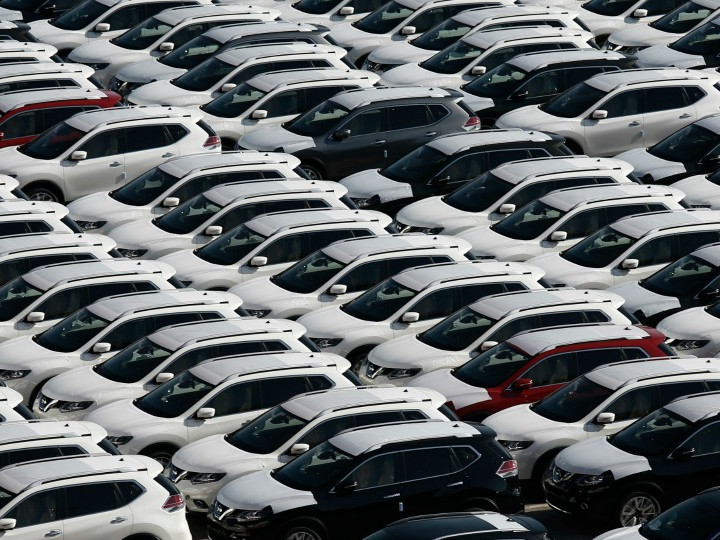
Some ten years after it should have, Europe is finally reaching for the brakes on the influx of Chinese hybrid vehicles. According to Bloomberg, the European Commission is preparing so-called safeguard measures to limit imports of these cars, most likely through tariff-rate quotas that impose a levy on any imports exceeding a specified volume. This strategic move aims not only to protect local manufacturers but also to ensure fair competition in the automotive sector. The cap will be temporary, and Brussels plans to utilize hybrids as a "test case," which, if successful, could pave the way for similar measures across other industries overwhelmed by Chinese imports.
The European automotive market has been significantly impacted by the surge of Chinese hybrid vehicles. These cars, often priced competitively due to lower production costs in China, have been gaining market share at an alarming rate. This has raised concerns among European manufacturers, who argue that they are unable to compete on an even playing field. By implementing safeguard measures, the European Commission aims to create a more balanced environment. This initiative is a response to longstanding fears that unchecked imports could undermine the continent's automotive sector, which is a critical part of its economy.
The proposed safeguard measures will likely involve tariff-rate quotas (TRQs). Under this system, a certain volume of imports will enter the European market at a reduced tariff rate, while any imports above that threshold will incur higher tariffs. This approach not only aims to limit the number of Chinese hybrids flooding the market but also allows European manufacturers to adjust and strengthen their competitive position over time. The European Commission's decision to implement TRQs reflects a strategic shift towards more protectionist policies in a global trade landscape that has increasingly favored low-cost producers.
The implementation of these safeguard measures could have a profound impact on the European automotive industry. For local manufacturers, this could mean a much-needed respite from the competition posed by Chinese hybrids. Companies like Volkswagen, BMW, and Renault may find renewed opportunities to regain market share and invest in innovation and sustainability initiatives. Furthermore, as European manufacturers ramp up production and diversify their offerings, consumers may benefit from a broader range of choices in the hybrid and electric vehicle segments.
However, while the intent behind these measures is to protect local industries, there are potential downsides for consumers. The imposition of higher tariffs on Chinese hybrids could lead to increased prices for these vehicles, reducing affordability for many buyers. Additionally, a restricted supply of popular models may limit consumer choices in the market, leading to a potential backlash against the new regulations. It’s essential for policymakers to strike a balance between protecting local industries and ensuring that consumers retain access to diverse and affordable options.
The move to limit Chinese hybrid vehicle imports is part of a larger trend of increasing protectionism in global trade. As countries grapple with the economic fallout of the pandemic and rising inflation, many governments are reconsidering their trade policies. This shift may lead to a fragmentation of global supply chains, as nations prioritize domestic production over reliance on foreign imports. The European Commission's actions may inspire similar measures in other regions, potentially escalating trade tensions between Europe and China.
In response to these evolving dynamics, companies may need to rethink their strategies. For those relying heavily on Chinese suppliers, the imposition of tariffs could prompt a reassessment of supply chain dependencies. Businesses may seek to diversify their sourcing strategies or invest in local production capabilities to mitigate the risks associated with fluctuating trade policies. This could result in a significant reshaping of global supply chains, with long-term implications for production, pricing, and availability of goods.
As the European Commission moves forward with its proposed measures, the automotive industry will be closely watching the developments. This initiative could mark a turning point in European trade policy and set a precedent for how the bloc addresses challenges posed by foreign competition. The success of these safeguard measures in the hybrid vehicle sector could lead to further actions in other industries, reinforcing the bloc's stance on protecting its domestic markets. Industry stakeholders will need to engage actively in the policymaking process to ensure that their voices are heard and that the resulting regulations foster a fair and competitive marketplace.
In conclusion, Europe's decision to implement safeguard measures on Chinese hybrid vehicles signifies a critical moment for the continent's automotive industry. By establishing tariff-rate quotas, the European Commission aims to protect local manufacturers and create a more balanced competitive environment. While the potential benefits for European manufacturers are clear, the impact on consumers and the broader implications for global trade remain to be seen. As the situation unfolds, the automotive sector will need to navigate these changes carefully, ensuring that it remains adaptable and resilient in a rapidly evolving global landscape.


Loading more news...
You've reached the end of our news feed. Check back later for more updates!