
Business
200th St Langley Family Dentistry Outlines Invisalign Costs and Insurance Limits
November 23, 2026
978 views
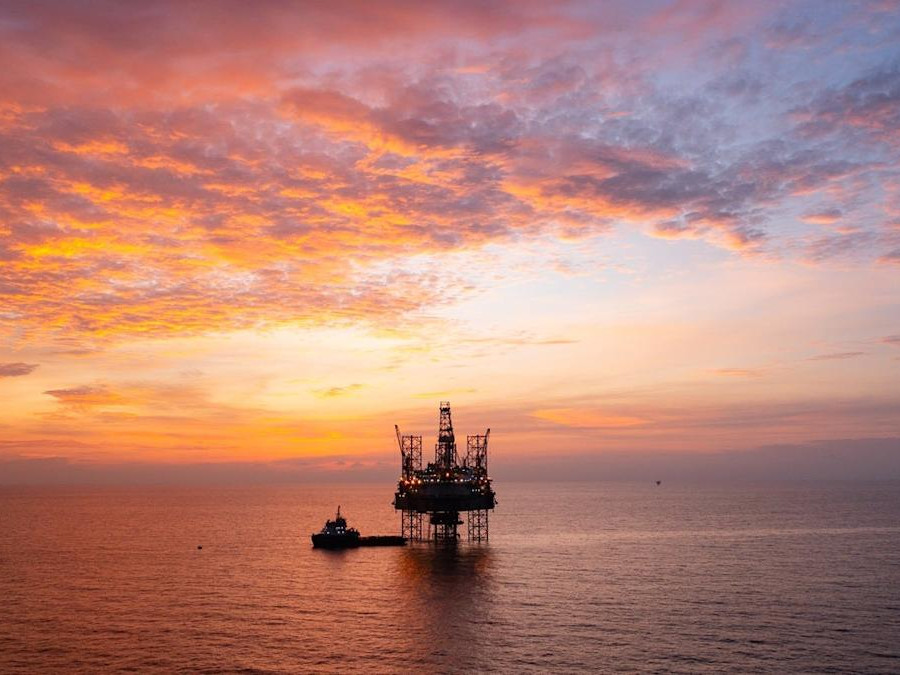
Equinor and its partners have made a significant discovery at Norway's Gullfaks South field, revealing an estimated 3.3 million to 10.3 million barrels of recoverable oil equivalent in gas. This finding, announced on October 8, underscores the importance of targeted exploration efforts in maintaining and enhancing production levels from mature assets in the North Sea. The discovery was made through an exploration sidetrack drilled during ongoing work on a production well, showcasing the innovative strategies employed by Equinor to optimize resource recovery.
The Gullfaks South field is strategically located about 190 kilometers northwest of Bergen, making it a vital asset in Equinor's portfolio. This recent discovery emphasizes the potential for additional resources within established fields, which can be accessed through strategic drilling associated with ongoing production campaigns. As the oil and gas industry faces increasing pressure to optimize existing resources amidst fluctuating market conditions, such discoveries are crucial in ensuring long-term sustainability and profitability.
The successful exploration sidetrack at Gullfaks South illustrates how advancements in drilling technologies and exploration methodologies are transforming the oil and gas sector. By leveraging sophisticated techniques, Equinor has been able to enhance its exploration capabilities, enabling the identification of previously overlooked reserves. This approach not only mitigates risks associated with exploration but also optimizes the economic viability of existing fields.
The discovery at Gullfaks South is likely to have far-reaching implications for the North Sea oil and gas market. As one of the most mature offshore regions in the world, the North Sea has faced challenges in maintaining production levels. However, discoveries like this one signal a renewed potential for growth and investment in the area. Companies operating in the region may be encouraged to pursue similar exploration strategies to uncover additional resources and extend the life of existing fields.
Equinor's recent discovery aligns with its broader commitment to sustainability and responsible resource management. The company has set ambitious targets to reduce its carbon footprint and transition towards renewable energy sources. By optimizing production from existing fields like Gullfaks South, Equinor is not only enhancing its economic viability but also contributing to the overall reduction of greenhouse gas emissions associated with oil and gas extraction.
The discovery of up to 10.3 million barrels of oil equivalent at Gullfaks South marks a significant milestone for Equinor and its partners. By leveraging targeted exploration strategies and advanced technologies, the company is poised to enhance production while contributing to a more sustainable energy future. As the North Sea oil and gas market continues to evolve, Equinor's efforts serve as a model for balancing resource extraction with environmental responsibility, ensuring that the industry remains resilient in the face of changing energy dynamics.


Loading more news...
You've reached the end of our news feed. Check back later for more updates!