Politics
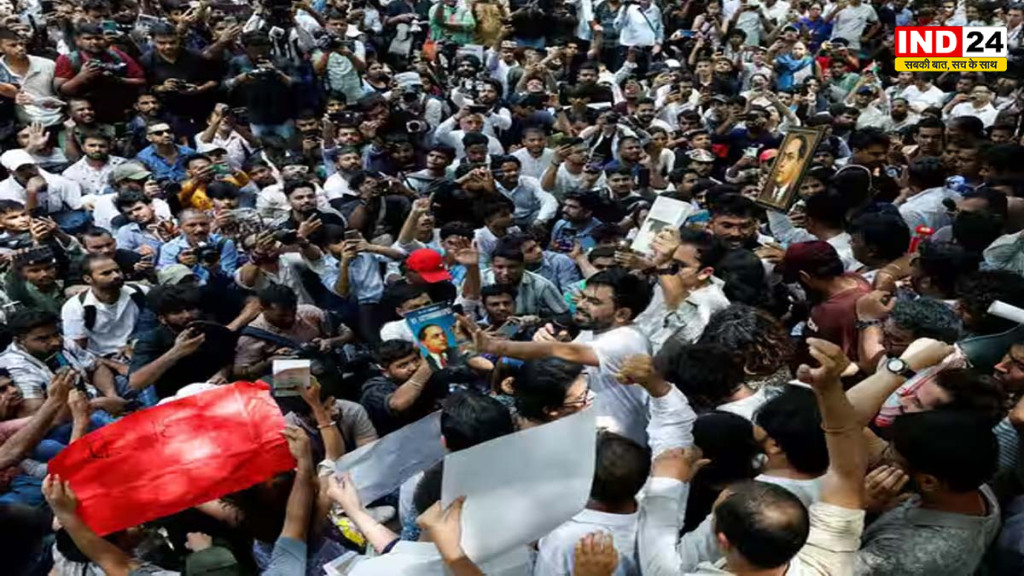
धरना-प्रदर्शनों का नया कारोबार: लोकतंत्र की आड़ में आखिर किसके हित साधे जा रहे हैं?
October 10, 2026
1,612 views

In a recent political statement, DMK MP Kanimozhi expressed her concerns regarding the current political landscape in Tamil Nadu, particularly focusing on the AIADMK party and its leader Edappadi K. Palaniswami (EPS). With the 2026 Tamil Nadu Assembly Elections on the horizon, the stakes are high, and the dynamics between regional and national politics are becoming increasingly complex.
Tamil Nadu has always been a significant player in Indian politics, with its unique blend of regional pride and national aspirations. Kanimozhi's remarks reflect a growing sentiment among the DMK supporters that the AIADMK, under EPS's leadership, is becoming increasingly dependent on external influences, particularly from Delhi. The DMK leader hinted at the perception that the central government, influenced by the United States, is not fully supportive of Tamil Nadu's interests, posing a threat to the state's autonomy and governance.
One of the key points raised by Kanimozhi was the alliance between the AIADMK and the Bharatiya Janata Party (BJP), which forms the National Democratic Alliance (NDA). She emphasized that this alliance may not effectively represent the aspirations of the Tamil people. AIADMK leader Edappadi K. Palaniswami has been criticized for aligning with a party that has been perceived as centralized and often disconnected from the grassroots realities of Tamil Nadu.
As the 2026 elections approach, the political atmosphere is charged with expectations and apprehensions. Kanimozhi's comments suggest that the DMK will position itself as a champion of Tamil Nadu's rights and interests against what they perceive as a Delhi-centric approach by the AIADMK. The DMK's strategy appears to hinge on mobilizing public sentiment against the perceived external control of Tamil Nadu's political landscape.
Kanimozhi's assertion that Delhi is beholden to the US raises questions about the influence of international relations on local governance. The DMK's narrative seeks to resonate with the electorate's concerns about sovereignty and self-determination. This framing could potentially sway voters who feel that their voices are being overshadowed by national politics, especially in the context of policies that may not align with the unique needs of Tamil Nadu.
Regional identity plays a pivotal role in Tamil Nadu politics. The DMK has historically positioned itself as a protector of Tamil culture and language, often opposing perceived encroachments by the central government. Kanimozhi's statements are likely to invoke a sense of regional pride among voters, encouraging them to rally behind the DMK as a bastion of local interests.
For the AIADMK, the challenge will be to counter the DMK's narrative effectively. EPS must navigate the complexities of maintaining a viable alliance with the BJP while addressing the growing discontent among the Tamil populace regarding central interventions. The party’s ability to localize its message and demonstrate a commitment to Tamil Nadu's development could be crucial in retaining voter support.
As Tamil Nadu approaches the 2026 Assembly Elections, the political battle lines are becoming increasingly pronounced. Kanimozhi’s remarks highlight the emerging narrative that positions the DMK as a defender of Tamil Nadu against perceived external forces. The AIADMK, led by EPS, will need to craft a robust strategy that resonates with voters' concerns about local governance while balancing its national alliance. The coming months will be critical in shaping the political future of Tamil Nadu.


Loading more news...
You've reached the end of our news feed. Check back later for more updates!