Politics
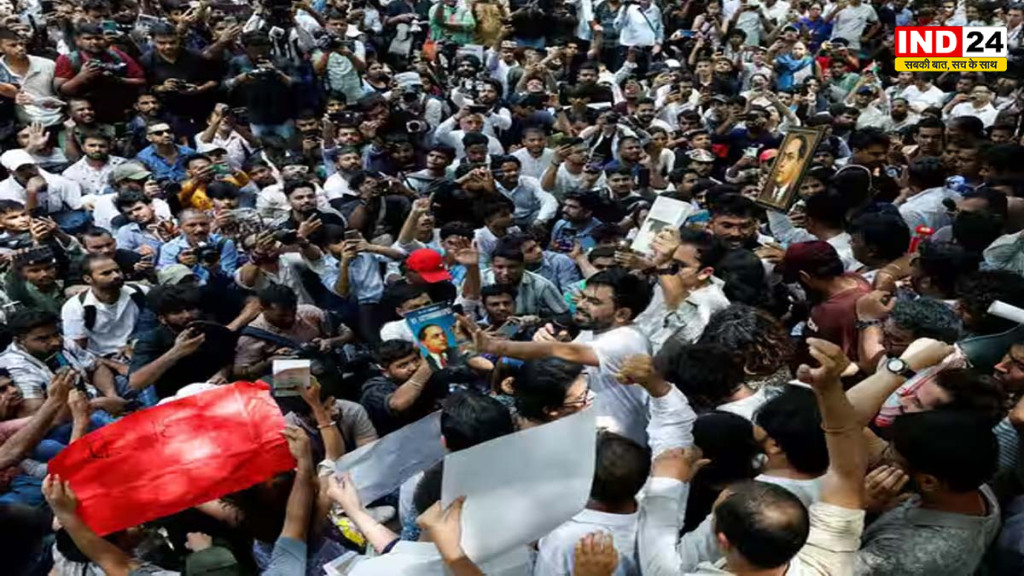
धरना-प्रदर्शनों का नया कारोबार: लोकतंत्र की आड़ में आखिर किसके हित साधे जा रहे हैं?
October 10, 2026
1,612 views

Amid the rigid state protocol, geopolitical threats, and massive political banners of Iran's grand state funeral, one intensely personal moment has captured global attention. The children of the late Supreme Leader Ayatollah Ali Khamenei were seen breaking down in tears, weeping openly as they bid a final farewell to their father at the Imam Khomeini Grand Mosalla in Tehran. Surrounded by senior military commanders, top clerics, and foreign envoys, the family’s rare public show of raw heartbreak has quickly become some of the most widely shared and emotional footage from the multi-day mourning ceremonies.
The death of Ayatollah Ali Khamenei marks a significant moment in the history of Iran. As the supreme leader since 1989, Khamenei's influence on both domestic and foreign policies has shaped the nation’s trajectory for decades. His passing has not only left a political void but has also plunged the nation into deep mourning. The state funeral, attended by thousands of Iranians, was a spectacle of national pride, military prowess, and deep sorrow.
The Imam Khomeini Grand Mosalla served as the main venue for the funeral proceedings. The space, decorated with large banners and portraits of Khamenei, was filled with a mix of sorrowful citizens and high-ranking officials. The atmosphere was electric with emotion, as many Iranians took the opportunity to pay their respects to a leader they revered. The elaborate ceremony included recitations of the Quran, speeches by high-ranking clerics, and moments of silence that echoed through the grand hall.
Among the most poignant scenes were those involving Khamenei's sons, who were visibly shaken by their father's death. Their tears served as a raw reminder of the personal loss behind the political figure. The emotional display was compounded by the presence of their father's legacy looming over them, highlighting the weight of expectations that now rests on their shoulders. While the other sons were present, it was noted that Mojtaba, often seen as a potential successor, was notably absent. His absence raised eyebrows and sparked speculation about his role in the future of Iran.
The dynamics within the Khamenei family have always been a subject of speculation. Known to be a private family, their public appearances are rare. This moment of vulnerability, however, has provided a glimpse into their emotional state and the personal impact of losing such a formidable patriarch. The tears shed by Khamenei’s sons resonated with many Iranians who also mourn his passing, showcasing a shared sense of grief that transcends the political sphere.
Khamenei's death comes at a time when Iran is facing numerous geopolitical challenges, including strained relations with the West and ongoing tensions in the region. His leadership was characterized by a hardline stance against adversaries, and questions loom about who will take the reins of power moving forward. The absence of Mojtaba Khamenei at the funeral further complicates the narrative surrounding the succession and the future direction of Iran's policies.
As the nation grapples with its future, many are left wondering about the potential leadership styles of the Khamenei heirs. Will they continue their father's legacy of resistance against Western influence, or will there be a shift towards a more moderate approach? The answers may not come immediately, but the funeral proceedings have certainly set the stage for discussions about Iran's political future.
The public reaction to Khamenei’s death has been a mixture of mourning and curiosity. Many citizens took to social media to express their condolences, while others shared their memories of the late leader. The emotional footage of his sons has been widely circulated, becoming a symbol of personal loss amidst national tragedy. This moment has not only captured the hearts of Iranians but has also drawn international attention, highlighting the complexities of familial relationships within the context of political power.
As the world watches Iran navigate this transition, the implications of Khamenei’s death extend beyond the country’s borders. International leaders are closely monitoring the situation, pondering how the change in leadership might affect global geopolitics, especially concerning nuclear negotiations and regional stability. The absence of a clear successor adds to the uncertainty, making the coming days crucial for both domestic and international observers.
The passing of Ayatollah Ali Khamenei has undoubtedly left a significant mark on Iran's political landscape. The emotional farewell witnessed at the Imam Khomeini Grand Mosalla serves as a reminder that behind the political facade lies a deeply personal tragedy. As Khamenei’s sons grapple with their loss, the nation watches on, uncertain of what the future holds but united in their shared grief.
In the days to come, the focus will undoubtedly shift towards the implications of this leadership change. With the world watching, Iran stands at a crossroads, and the legacy of Khamenei will undoubtedly shape the path forward as the nation navigates its next chapter.


Loading more news...
You've reached the end of our news feed. Check back later for more updates!