Politics
धरना-प्रदर्शनों का नया कारोबार: लोकतंत्र की आड़ में आखिर किसके हित साधे जा रहे हैं?
October 10, 2026
1,612 views
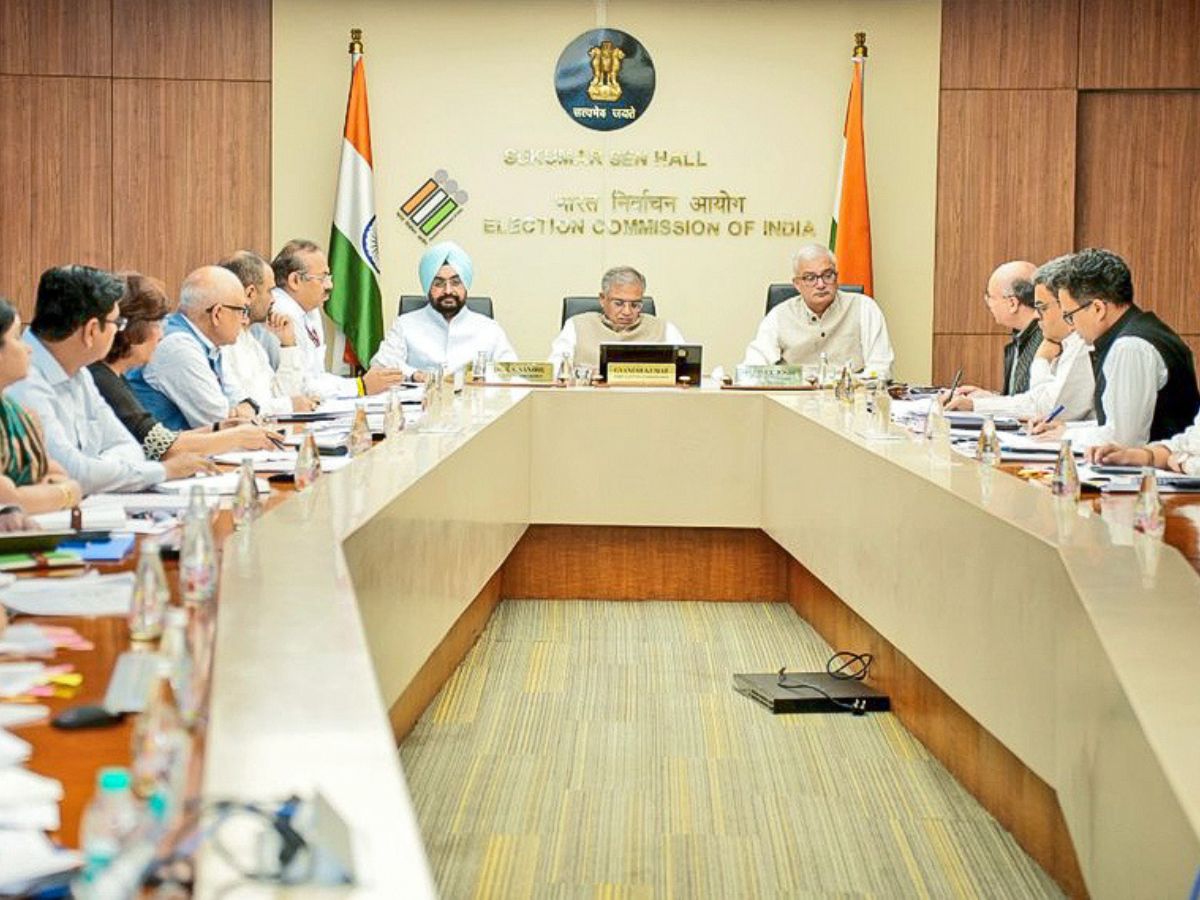
In a significant move to maintain the integrity of the electoral process, the Election Commission of India has taken a firm stance against unlawful posts on social media and AI-generated content during the ongoing election season. The Commission has mandated that any content deemed inappropriate or in violation of election norms must be removed within a strict timeframe of three hours. This directive comes in the wake of over 11,000 violations being flagged since March 15, showcasing the growing concerns regarding misinformation and the role of artificial intelligence in shaping public opinion.
Artificial Intelligence has increasingly become a tool for political campaigning, enabling parties to target voters more effectively through personalized content. However, with this advancement comes the risk of spreading misleading information and propaganda. The Election Commission's recent order highlights the necessity for transparency and accountability in the digital space, particularly as elections approach.
The use of AI-generated content raises critical questions about the authenticity of information shared online. The Commission's directive includes a requirement that all AI-produced posts be clearly labelled, ensuring that voters can discern between human-generated content and that created by algorithms. This transparency is crucial as the line between factual reporting and disinformation becomes increasingly blurred.
To enforce this new regulation, the Election Commission has ramped up its monitoring mechanisms across various social media platforms. This includes collaboration with tech companies and social media giants to ensure compliance with the three-hour removal rule. The Commission’s proactive approach aims to curb the spread of false information that could unduly influence voters’ decisions.
In light of the recent violations, the Commission has also encouraged social media users to report any suspicious or unlawful content. By engaging the public in this monitoring process, the Election Commission hopes to foster a more informed electorate that can critically assess the information presented to them.
While the measures taken by the Election Commission are aimed at protecting the electoral process, they also raise important questions about the balance between regulation and free speech. Critics argue that stringent regulations could stifle legitimate discourse, particularly during an election campaign when diverse opinions should be encouraged. The challenge lies in ensuring that the measures put in place do not infringe upon the fundamental rights of individuals to express themselves freely.
Supporters of the Commission’s actions assert that the regulation of AI content is necessary to safeguard democracy and ensure that elections are conducted fairly. With the rise of fake news and misinformation, the integrity of the electoral process is at stake, and the Commission's efforts are seen as a critical step in countering this growing menace.
As technology continues to evolve, so too will the methods of monitoring and regulating electoral content. The Election Commission of India’s proactive stance serves as a potential model for other countries grappling with similar challenges. Implementing advanced algorithms and AI tools to detect and flag unlawful content in real-time could become a cornerstone of future election monitoring efforts.
Moreover, the importance of media literacy cannot be overstated. As AI-generated content becomes more prevalent, educating voters on how to identify reliable sources and discern fact from fiction will be essential. The Election Commission's initiative to label AI-generated content is a step towards empowering voters, but it must be complemented by broader educational efforts.
The Election Commission of India's stringent regulations on unlawful social media posts highlight the urgent need for responsible digital citizenship. As voters navigate the complexities of the digital landscape, it is imperative that they remain vigilant and informed. The role of social media and AI in shaping political narratives will only increase in the future, making it crucial for all stakeholders—government bodies, tech companies, and citizens—to work collaboratively in fostering a healthy democratic environment.
In conclusion, while the Election Commission's new guidelines may pose challenges for freedom of expression, they are ultimately aimed at preserving the sanctity of the electoral process. By enforcing these measures, the Commission hopes to cultivate a political landscape where information is reliable, and voters can make informed decisions free from the influence of misinformation.


Loading more news...
You've reached the end of our news feed. Check back later for more updates!