Health
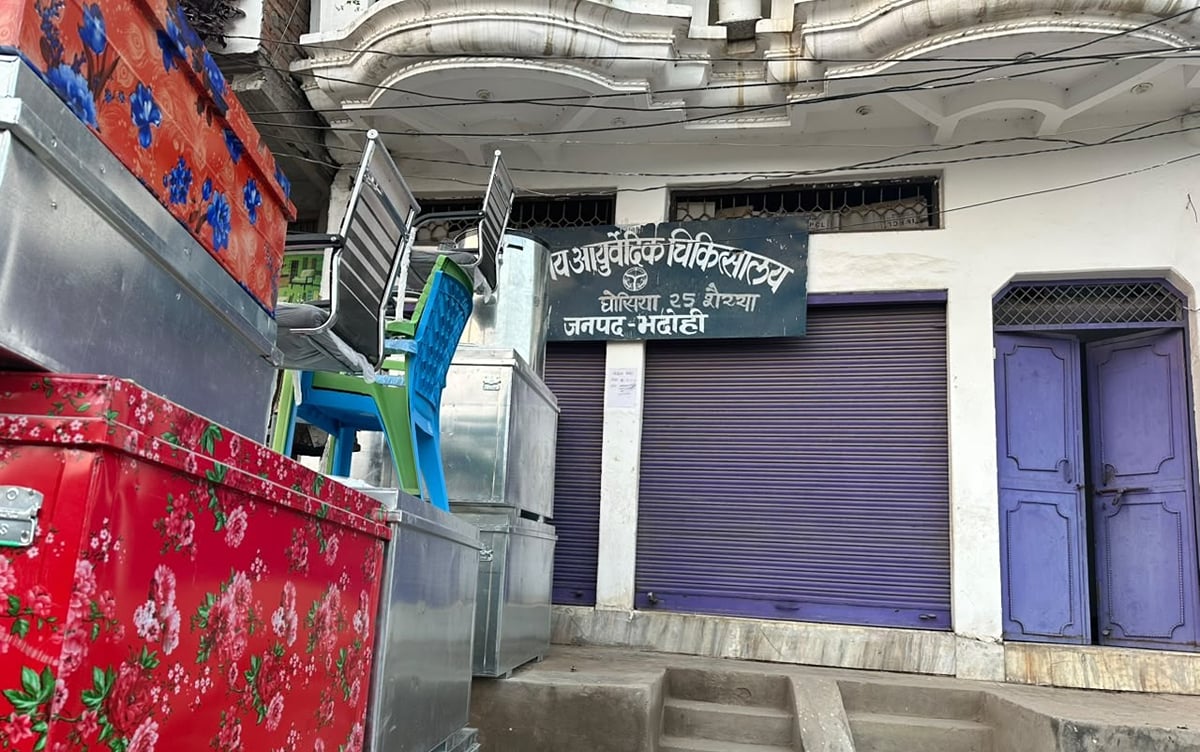
Bhadohi News: 26 में से 25 आयुर्वेद अस्पतालों में मरीजों को भर्ती करने के लिए एक भी बेड नहीं
October 9, 2026
1,115 views

Pune: An 85-year-old woman from the Camp area was kept under ‘digital arrest' for four days by online fraudsters posing as officials of the Central Bureau of Investigation (CBI). The incident has raised serious concerns regarding the safety of senior citizens in the digital age and the increasing prevalence of online scams targeting vulnerable individuals.
According to reports, the elderly woman received a phone call from individuals impersonating CBI officials who claimed she was involved in a money laundering case. The scammers manipulated her into believing that her bank accounts would be frozen unless she complied with their demands. Over the course of four days, they used various tactics to instill fear and urgency, effectively keeping her under a psychological 'digital arrest.'
The fraudsters employed sophisticated psychological tactics, including threats of legal repercussions and promises of assistance, to maintain control over their victim. The woman, who was already in a vulnerable state due to her age, succumbed to their pressure. They instructed her to transfer money into various accounts, assuring her that it was a precautionary measure to protect her assets.
The total amount swindled from the woman reached a staggering 97 lakh rupees. This significant financial loss not only impacts her immediate well-being but also emphasizes the need for greater awareness and protective measures against such frauds. The funds were transferred to multiple accounts, making it challenging for law enforcement to trace the money and apprehend the suspects.
The local community has expressed outrage over the incident, calling for more robust measures to protect elderly citizens from online scams. Community leaders are urging banks and financial institutions to implement additional verification processes for large transactions, particularly those initiated by elderly individuals. Awareness campaigns are also being proposed to educate seniors about potential fraud tactics and how to safeguard their finances.
Meanwhile, the police have initiated an investigation into the case. They are working to track the accounts that received the funds and identify the individuals behind the scam. Authorities have also issued warnings to the public, advising them to be cautious of unsolicited calls and messages, particularly those requesting personal or financial information.
The case of the 85-year-old woman serves as a stark reminder of the vulnerabilities faced by senior citizens in today's digital landscape. As technology becomes more ingrained in our daily lives, the need for vigilance and education is paramount. Community support, along with proactive measures from law enforcement and financial institutions, is essential to combat the rising tide of online fraud and protect our elderly population from such devastating scams.
In the coming weeks, community forums and workshops are expected to take place, focusing on educating seniors about digital literacy, financial safety, and recognizing signs of fraud. It is imperative that we come together as a society to safeguard our elderly citizens and ensure they can navigate the digital world with confidence and security.


Loading more news...
You've reached the end of our news feed. Check back later for more updates!