
Business
‘Grief Burns Like Fever’: This novel is a flashback of depravity during the surreal pandemic years
October 10, 2026
3,447 views
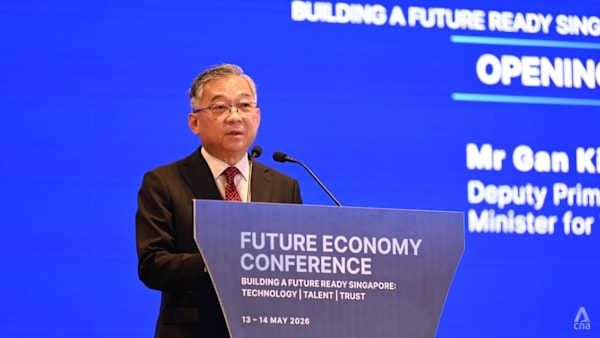
In a significant move aimed at shaping the future economic landscape of Singapore, the Economic Strategy Review Committees have unveiled a comprehensive set of 32 recommendations. This landmark report comes after extensive consultations with over 7,700 stakeholders, including businesses, labor unions, and individual workers, reflecting a broad spectrum of perspectives and insights.
The committees' approach was marked by a deep commitment to engagement and collaboration. By reaching out to diverse groups, they ensured that various voices were heard in the formulation of the recommendations. This method not only facilitated a richer understanding of the economic challenges and opportunities facing Singapore but also fostered a sense of ownership among the stakeholders in the recommendations put forth.
Among the 32 recommendations, several key themes emerged that are expected to drive Singapore's economic growth in the coming years. One of the primary focuses is on enhancing innovation and technology adoption. The committees emphasized the necessity for businesses to embrace digital transformation, which is crucial for remaining competitive in an increasingly globalized economy. This includes investing in research and development and fostering partnerships between the public and private sectors.
Another significant recommendation is to strengthen Singapore's position as a global financial hub. This involves not only attracting foreign investment but also enhancing regulatory frameworks to ensure that Singapore remains a safe and attractive destination for international businesses. The committees suggested initiatives aimed at increasing the transparency of financial transactions and expanding the fintech ecosystem, thereby solidifying the nation's status as a leader in financial services.
A prominent theme throughout the recommendations is the urgent need to integrate sustainability into Singapore's economic model. The committees called for a comprehensive strategy to address climate change, emphasizing the importance of transitioning to a green economy. This includes promoting renewable energy sources, enhancing energy efficiency, and encouraging businesses to adopt sustainable practices.
The recommendations also highlighted the significance of workforce development. As the economy evolves, there is an increasing need for a skilled workforce that can adapt to new technologies and industries. The committees proposed enhanced training programs and educational initiatives aimed at equipping workers with the necessary skills to thrive in a changing job market. This investment in human capital is seen as essential for ensuring that Singapore remains competitive on the global stage.
In addition to economic growth, the committees recognized the importance of addressing social concerns. The recommendations included measures to reduce income inequality and improve the overall quality of life for all Singaporeans. This involves not only creating high-quality jobs but also ensuring access to affordable healthcare, housing, and education.
The committees underscored the need for a holistic approach that considers the social implications of economic policies. By prioritizing inclusivity and social cohesion, Singapore can foster a more resilient society that is better equipped to navigate future challenges.
The release of the recommendations marks the beginning of a new phase in Singapore's economic strategy. The next steps involve translating these recommendations into actionable plans that can be implemented across various sectors. The government is expected to take a proactive role in facilitating this process, ensuring that the insights gathered from stakeholders are effectively integrated into policy-making.
Additionally, continued dialogue between the government, businesses, and the workforce will be crucial for the successful implementation of these recommendations. Regular feedback mechanisms will help to assess progress and make necessary adjustments to strategies as the economic landscape continues to evolve.
The final recommendations from the Economic Strategy Review Committees represent a bold vision for Singapore's future growth. By focusing on innovation, sustainability, workforce development, and social equity, Singapore aims to position itself as a global leader in a rapidly changing world. As stakeholders come together to implement these recommendations, the nation stands at a pivotal moment in its economic journey, poised to embrace new opportunities and overcome challenges ahead.


Loading more news...
You've reached the end of our news feed. Check back later for more updates!