Politics
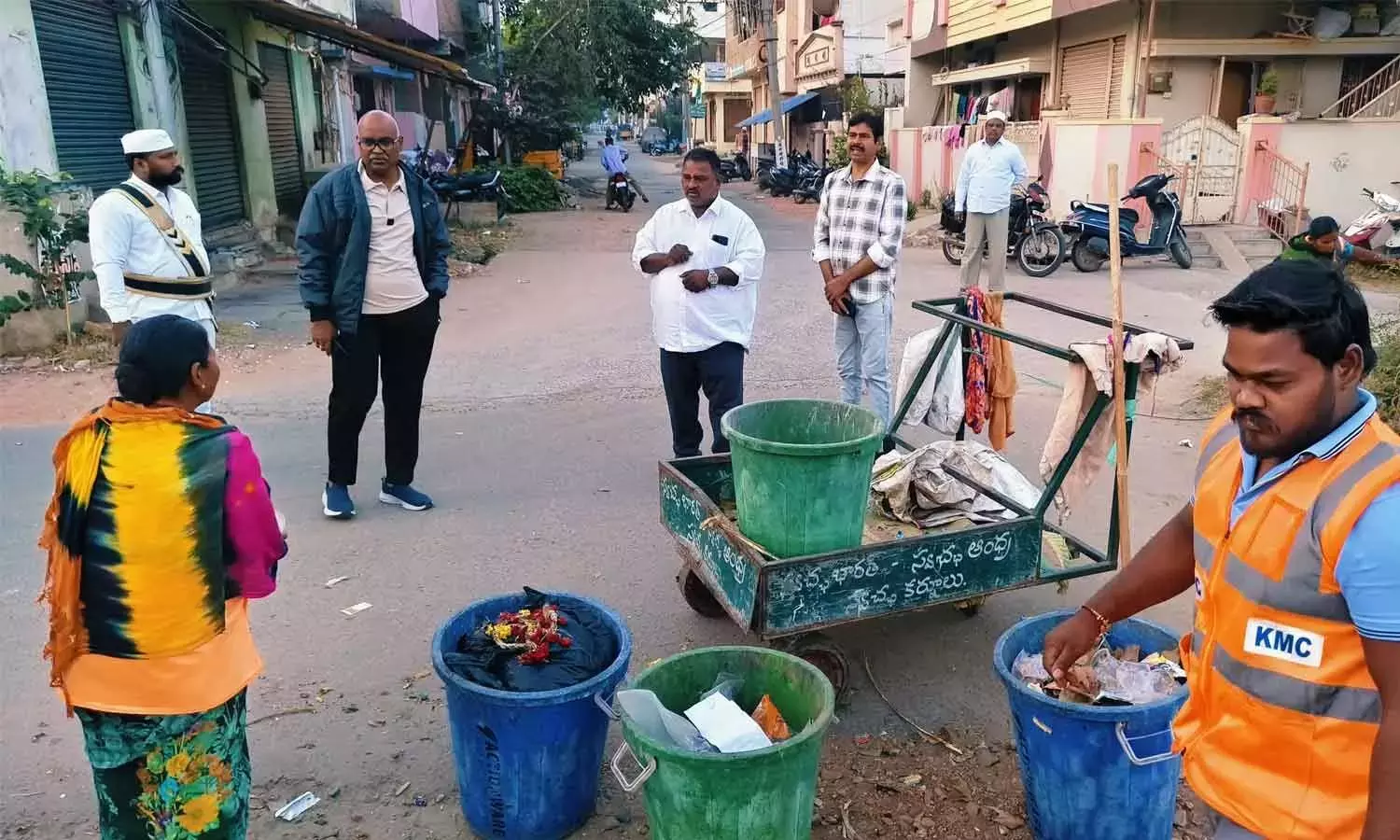
स्वच्छता कार्य में लापरवाही पर कड़ी कार्रवाई होगी: केएमसी आयुक्त
November 19, 2026
2,481 views
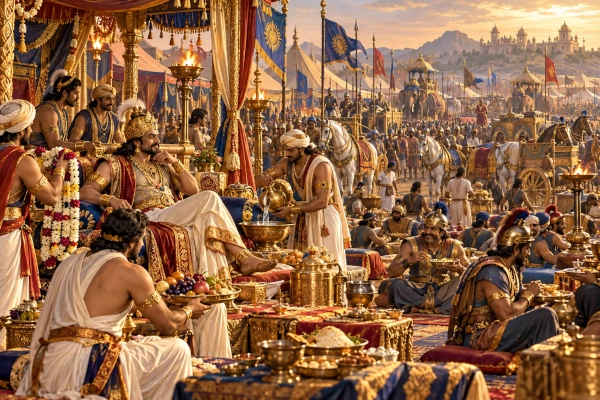
In the historical context of the Mahabharata, the intricate web of alliances and loyalties plays a crucial role leading up to the fateful Kurukshetra War. One of the most significant events that exemplifies this is Duryodhana's strategic hospitality extended towards Shalya, the king of Madra. As tensions escalated between the Kauravas and Pandavas, Duryodhana's actions showcased not only his diplomatic skills but also the use of hospitality as a tool for political leverage.
Duryodhana meticulously arranged a lavish welcome for Shalya and his considerable entourage while they traveled towards the battlefield. The Kaurava prince understood that impressing Shalya was vital; thus, he spared no expense in ensuring that every need was catered to. From sumptuous meals featuring the finest delicacies to comfortable lodging, every aspect of Shalya's experience was designed to create an impression of opulence and care. This not only provided physical comfort but also served to elevate Shalya's status among his followers, reinforcing his importance in the eyes of the Kauravas.
As the Kurukshetra War loomed, the psychological aspects of warfare became increasingly significant. Duryodhana's hospitality was not just a display of generosity; it was a calculated maneuver to gain Shalya's favor. By presenting himself as a gracious host, Duryodhana sought to undermine Shalya's loyalty to the Pandavas, particularly to Yudhishthira, whom Shalya respected. This tactic of using hospitality as a means to create a sense of obligation is a timeless strategy seen throughout history, where leaders have utilized the principles of gift-giving and hospitality to secure alliances.
The gifts exchanged during this period were not merely tokens of goodwill but also symbols of power and influence. Duryodhana knew that every lavish item presented to Shalya was an investment in their potential alliance. The strategic gifting reinforced Shalya's perception of Duryodhana as a formidable ally. This practice of exchanging gifts has been prevalent in various cultures as a way to build relationships and solidify political ties.
As the Kurukshetra War drew closer, Shalya's decision to align with Duryodhana had far-reaching implications. The hospitality he experienced became a pivotal factor in his ultimate choice, showcasing how personal experiences can influence significant historical events. Shalya's role as the charioteer for Duryodhana during the war further emphasized the importance of Duryodhana's strategy. This alliance not only provided Duryodhana with a skilled warrior but also symbolized the culmination of his efforts to sway Shalya's loyalty.
The story of Duryodhana's hospitality towards Shalya serves as a compelling lesson in the realms of diplomacy and strategic thinking. It underscores the importance of personal relationships in political contexts and how acts of generosity can be leveraged for greater goals. In the grand narrative of the Mahabharata, such actions remind us that the path to power is often paved with intricate social maneuvering and the ability to influence those around us.


Loading more news...
You've reached the end of our news feed. Check back later for more updates!