Health
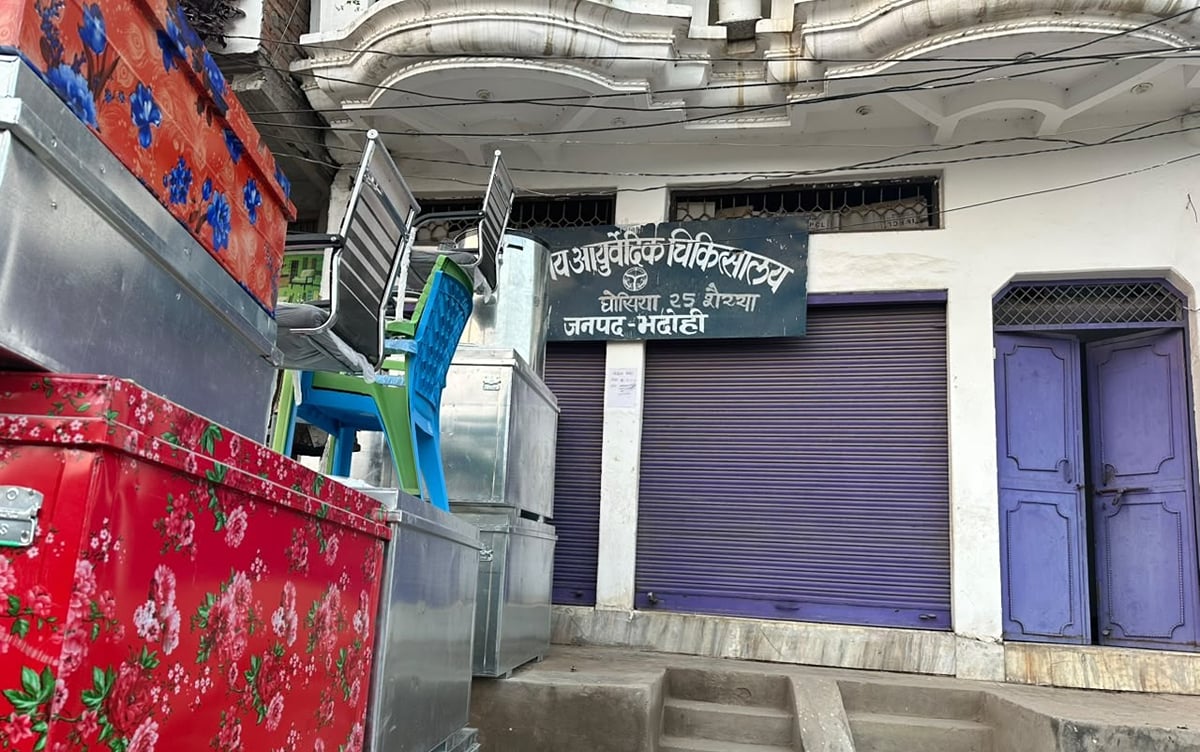
Bhadohi News: 26 में से 25 आयुर्वेद अस्पतालों में मरीजों को भर्ती करने के लिए एक भी बेड नहीं
October 9, 2026
1,115 views
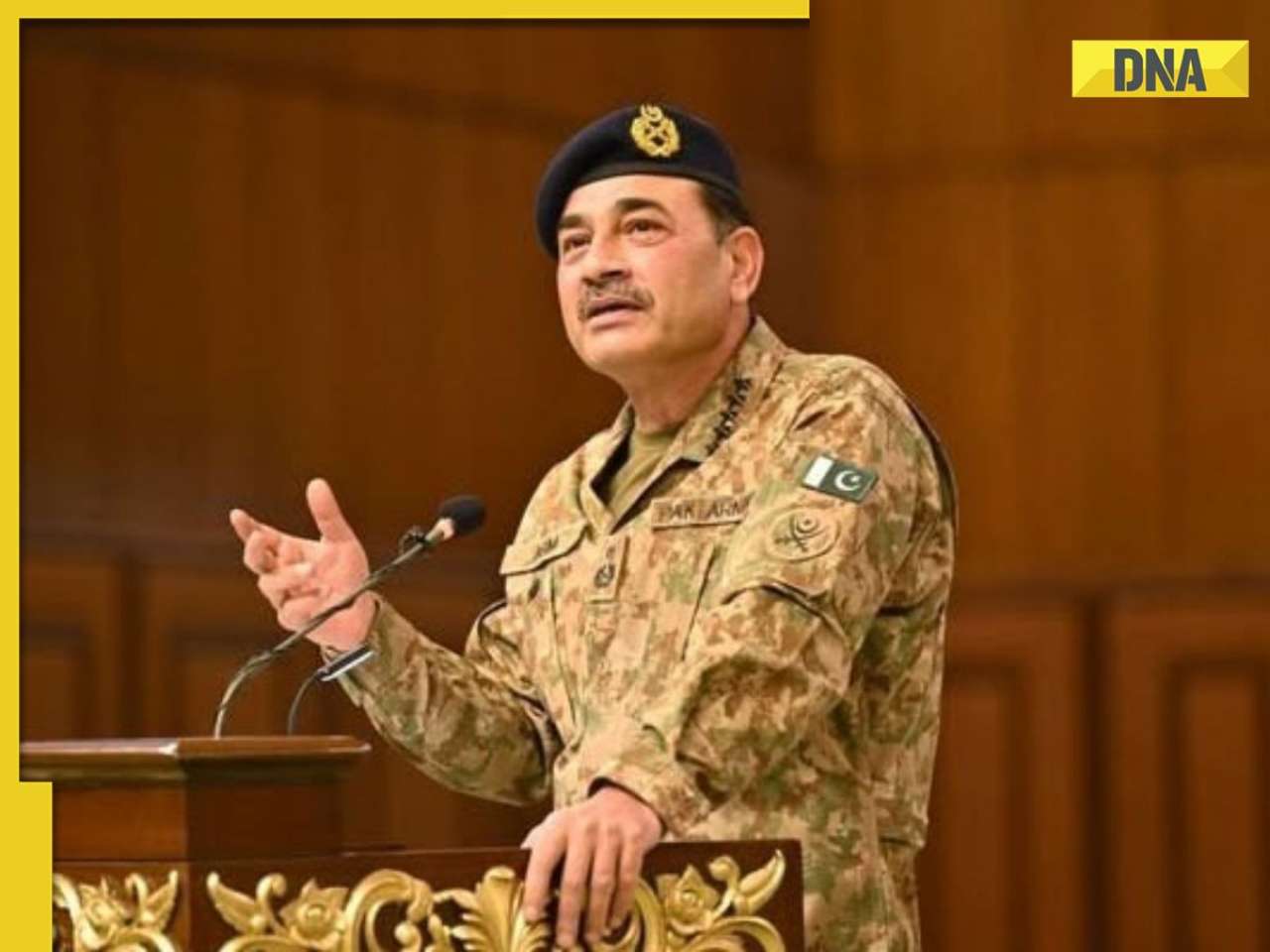
In a shocking announcement that has sent ripples through the political landscape of Pakistan, former Minister Fawad Chaudhry has claimed that the country's Army Chief, General Asim Munir, is not just a military leader but is effectively directing the nation’s foreign policy, particularly in the context of the ongoing tensions between the United States and Iran. This assertion raises significant questions about the role of the military in Pakistan's governance and the dynamics of civil-military relations in the country.
Pakistan has a long history of military influence in its political sphere. The military has often been seen as a power broker, stepping in during times of political instability. Historically, it has played a crucial role in shaping the country's foreign policy, especially regarding relations with neighboring countries and global powers. General Asim Munir, who took charge as the Army Chief in November 2022, has been at the forefront of various diplomatic initiatives, which some critics argue undermines the democratic process.
The relationship between the United States and Iran has been fraught with tension for decades. With the recent developments in the Middle East, including shifting alliances and geopolitical maneuvers, Pakistan has been positioned as a potential mediator, a role that is not new for the country but has taken on renewed significance under General Munir's leadership. Chaudhry's assertion that Munir is leading mediation efforts indicates a proactive stance from the Pakistani military in regional diplomacy.
This involvement could be seen as a double-edged sword. On one hand, it provides Pakistan with the opportunity to assert itself on the global stage, showcasing its diplomatic capabilities. On the other hand, it raises concerns about the military's overreach into foreign policy, a domain traditionally reserved for elected officials. Chaudhry's claim that Donald Trump "didn't even bother about PM Shehbaz Sharif" highlights a perception of diminishing political authority and influence among elected leaders in Pakistan, potentially sidelining their role in international matters.
The political landscape in Pakistan is already fraught with tension, and Chaudhry's remarks are likely to exacerbate existing divides. Political analysts are interpreting his statements as a reflection of the growing frustration among politicians who feel overshadowed by the military's growing influence. There is a palpable concern that if the military continues to dominate foreign policy, it could further entrench political instability and undermine democratic institutions.
Opposition leaders are likely to seize this opportunity to challenge the legitimacy of the current government, arguing that if the Army Chief is indeed running the country, then the democratic process is being compromised. This sentiment could mobilize public opinion against the current administration and lead to calls for greater accountability and transparency in governance.
The implications of Fawad Chaudhry's revelations are profound. If the military continues to assert its influence over political matters and foreign relations, it could lead to a more authoritarian governance structure, where elected officials are merely figureheads. This scenario poses significant risks to Pakistan’s democratic framework and could result in increased public disillusionment with the political process.
Moreover, Pakistan's role as a mediator in US-Iran talks could have far-reaching consequences. If successful, it might enhance Pakistan's standing in the international community, but failure could further damage the country's credibility and lead to greater isolation. The stakes are high, and the path forward requires careful navigation of complex political landscapes both domestically and internationally.
Fawad Chaudhry's claims about General Asim Munir's role in leading Pakistan’s foreign policy highlight a critical juncture for the nation. As the boundaries between military and civilian authority continue to blur, the future of Pakistan’s democracy hangs in the balance. The need for a clear delineation of roles and responsibilities between the military and elected officials has never been more pressing.
As Pakistan faces numerous challenges on both domestic and international fronts, the coming months will be crucial in determining whether the country can uphold its democratic values while navigating the complexities of its geopolitical landscape. The dialogue surrounding military influence in politics will undoubtedly continue, as citizens and leaders alike grapple with the implications of these developments.

Loading more news...
You've reached the end of our news feed. Check back later for more updates!