Embracing Hope, Dispelling Fear: Conquering Epilepsy Through Awareness and Advanced Care
New Delhi, India – February 10, 2024 – In a significant initiative aimed at shattering the pervasive stigma surrounding epilepsy and fostering a more inclusive society, the Ministry of AYUSH, in collaboration with numerous healthcare stakeholders, has championed a robust awareness campaign on the occasion of International Epilepsy Day. The central message resonates with unwavering clarity: epilepsy is a manageable neurological condition, not a source of insurmountable fear, and victory over this condition is not only possible but achievable through accurate information, timely intervention, and unwavering support. This comprehensive endeavor seeks to illuminate the complexities of epilepsy, dispel age-old myths, and empower individuals affected by it, along with their families and communities, to navigate this journey with confidence and resilience.
Epilepsy, a chronic neurological disorder characterized by recurrent, unprovoked seizures, affects millions worldwide, irrespective of age, gender, or socioeconomic status. Despite its widespread prevalence, a persistent veil of misunderstanding, fear, and discrimination often shrouds the condition, leading to social isolation, emotional distress, and limited access to optimal care for those afflicted. The Ministry of AYUSH’s proactive stance on International Epilepsy Day serves as a crucial reminder that an informed populace and a compassionate society are indispensable components in the battle against this often-misunderstood ailment.
Understanding Epilepsy: Beyond the Seizure
At its core, epilepsy is a brain disorder that causes abnormal electrical activity in the brain, resulting in sudden, uncontrolled bursts of electrical energy. These disruptions manifest as seizures, which can vary dramatically in their presentation. While the iconic image of a convulsive seizure—characterized by shaking limbs, loss of consciousness, and altered sensations—is often the first that comes to mind, it represents only a fraction of the diverse spectrum of epileptic events.
Seizures can be broadly categorized into two main types: focal (partial) seizures and generalized seizures. Focal seizures originate in one part of the brain and can range from subtle sensory disturbances, such as a strange taste or smell, to involuntary movements or altered emotional states. If the electrical disturbance remains confined to a small area, it is termed a simple focal seizure, where consciousness is preserved. However, if the seizure spreads to other brain regions or affects consciousness, it becomes a complex focal seizure, often leading to confusion, staring spells, or automatisms (unconscious repetitive actions).
Generalized seizures, on the other hand, involve both hemispheres of the brain from the outset. These encompass a wider range of seizure types, including absence seizures (brief lapses of awareness, often mistaken for daydreaming), tonic seizures (muscle stiffening), clonic seizures (rhythmic jerking movements), tonic-clonic seizures (the most recognizable form, involving both stiffening and jerking), atonic seizures (sudden loss of muscle tone, leading to collapse), and myoclonic seizures (sudden, brief muscle twitches).
The underlying causes of epilepsy are equally varied. In many cases, the etiology remains unknown, a condition termed idiopathic epilepsy. However, a significant proportion of cases are linked to identifiable factors, including:
* Genetic Predisposition: A family history of epilepsy can increase the risk, suggesting a genetic component in certain individuals.
* Brain Injury: Traumatic brain injuries, such as those sustained from accidents or physical assaults, can disrupt brain function and lead to the development of epilepsy.
* Infections: Certain brain infections, like meningitis or encephalitis, can cause inflammation and damage to brain tissue, contributing to seizures.
* Structural Brain Abnormalities: Malformations in brain development, tumors, or strokes can create areas of abnormal brain tissue that are prone to generating seizures.
* Metabolic Disorders: Certain inherited metabolic disorders can interfere with the brain\'s chemical processes, leading to epilepsy.
* Immune System Disorders: In some instances, the immune system may mistakenly attack the brain, causing inflammation and seizures.
It is crucial to emphasize that epilepsy is not contagious, nor is it a sign of mental illness or intellectual disability, though individuals with these conditions may have a higher risk of developing epilepsy. The neurological basis of the condition necessitates a medical approach focused on diagnosis, treatment, and management.
Breaking the Chains of Stigma: The Ministry of AYUSH\'s Vision
The Ministry of AYUSH’s commitment to raising awareness about epilepsy stems from a deep understanding of the debilitating impact of stigma on individuals’ lives. The description highlights the ministry’s dual objective: to educate the public and to actively combat the discrimination faced by epilepsy patients. This approach acknowledges that a medical diagnosis is only one part of the challenge; the societal response often presents an equally formidable hurdle.
For far too long, epilepsy has been entangled with superstitions, cultural taboos, and misconceptions about its origins and contagiousness. This has unfortunately led to fear, ostracization, and the denial of basic rights and opportunities for individuals with epilepsy. They may face challenges in education, employment, marriage, and social integration, simply because of a condition that is treatable and manageable.
The Ministry of AYUSH\'s campaign aims to dismantle these harmful narratives by:
* Promoting Accurate Information: Providing clear, evidence-based information about epilepsy, its causes, symptoms, and treatment options. This involves dispelling myths that epilepsy is a curse, a mental illness, or a sign of demonic possession.
* Highlighting Treatability and Manageability: Emphasizing that with appropriate medical care, the majority of individuals with epilepsy can achieve seizure control, lead fulfilling lives, and participate fully in society.
* Advocating for Inclusivity: Urging society to embrace individuals with epilepsy, recognizing their inherent worth and capabilities. This includes promoting understanding in workplaces, educational institutions, and community settings.
* Empowering Patients and Caregivers: Equipping individuals with epilepsy and their families with the knowledge and resources they need to effectively manage the condition, advocate for themselves, and access appropriate support systems.
* Encouraging Early Diagnosis and Intervention: Stressing the importance of seeking medical help at the first signs of seizure activity, as prompt diagnosis and treatment can significantly improve outcomes and prevent potential complications.
The Pillars of Hope: Correct Treatment and Awareness
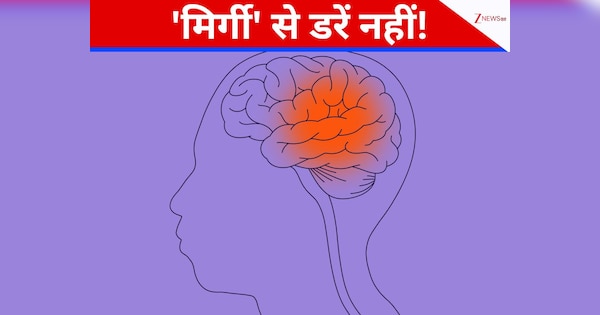
The title itself encapsulates the core message: \"दिमागी स्थिति है \'मिर्गी\', डरें नहीं! सही इलाज और जागरूकता से साथ जीतें ये जंग\" translates to \"Epilepsy is a brain condition, do not fear! Win this battle with correct treatment and awareness.\" This succinct yet powerful statement forms the bedrock of the campaign.
I. The Imperative of \"Correct Treatment\" (सही इलाज):
The phrase \"सही इलाज\" underscores the critical role of modern medical science in managing epilepsy. It signifies a departure from outdated remedies and superstitious practices, advocating for evidence-based medical interventions. The journey towards effective treatment typically involves several key stages:
* Accurate Diagnosis: The first and most crucial step is obtaining a precise diagnosis. This involves a thorough medical history, neurological examination, and often specialized tests such as:
* Electroencephalogram (EEG): This non-invasive test records the electrical activity of the brain through electrodes placed on the scalp. It can help identify abnormal brainwave patterns characteristic of epilepsy and can sometimes pinpoint the origin of seizures. Multiple EEGs, sometimes conducted during sleep deprivation or over extended periods (long-term EEG monitoring), may be necessary for accurate diagnosis.
* Magnetic Resonance Imaging (MRI) and Computed Tomography (CT) Scans: These imaging techniques provide detailed pictures of the brain\'s structure. They are essential for identifying any underlying structural abnormalities, such as tumors, strokes, or developmental malformations, that may be contributing to epilepsy.
* Blood Tests: These can help rule out other medical conditions that might mimic epilepsy, such as metabolic disorders or electrolyte imbalances.
* Genetic Testing: In cases where a genetic cause is suspected, genetic testing may be recommended to identify specific gene mutations associated with certain types of epilepsy.
* Video-EEG Monitoring: This advanced diagnostic tool combines continuous EEG recording with video surveillance. It allows clinicians to correlate seizure activity with the patient\'s behavior and physical manifestations, providing invaluable insights for diagnosis and treatment planning.
* Pharmacological Management: Antiepileptic Drugs (AEDs) are the cornerstone of epilepsy treatment for most individuals. These medications work by stabilizing the electrical activity in the brain, thus reducing the frequency and severity of seizures. The selection of an AED is a personalized process, taking into account the specific type of epilepsy, seizure characteristics, the patient\'s age, other medical conditions, potential side effects, and drug interactions. It often involves a period of titration (gradual increase in dosage) to find the optimal effective dose with minimal side effects. Common classes of AEDs include:
* Sodium Channel Blockers: (e.g., Carbamazepine, Phenytoin, Lamotrigine)
* Calcium Channel Blockers: (e.g., Ethosuximide, Gabapentin)
* GABAergic Modulators: (e.g., Phenobarbital, Benzodiazepines, Valproic Acid)
* Newer Generation AEDs: (e.g., Levetiracetam, Lacosamide, Topiramate)
It is imperative that AEDs are taken exactly as prescribed by a healthcare professional. Abruptly stopping medication can trigger severe seizures, including status epilepticus, a life-threatening condition. Regular follow-up appointments with a neurologist are essential to monitor treatment effectiveness, manage side effects, and make necessary adjustments to the medication regimen.
* Surgical Intervention: For a subset of individuals whose seizures are refractory to medication, epilepsy surgery can offer a life-changing solution. This option is typically considered when a specific, identifiable area of the brain is consistently responsible for generating seizures, and this area can be safely removed or altered without causing significant neurological deficits. Epilepsy surgery is a complex procedure requiring extensive pre-surgical evaluation, including advanced imaging and intracranial EEG monitoring (placing electrodes directly on the brain\'s surface). Common surgical procedures include:
* Resective Surgery: Removal of the seizure-generating brain tissue.
* Disconnection Surgery: Cutting the nerve pathways that connect seizure-generating areas to other parts of the brain (e.g., corpus callosotomy for severe generalized epilepsy).
* Neurostimulation: Implanting devices that deliver electrical impulses to specific areas of the brain or nerves to regulate brain activity and reduce seizures. This includes Vagus Nerve Stimulation (VNS) and Responsive Neurostimulation (RNS).
* Dietary Therapies: Certain specialized diets, most notably the ketogenic diet, have proven effective in managing epilepsy, particularly in children who do not respond well to medication. The ketogenic diet is a high-fat, low-carbohydrate diet that forces the body to burn fat for energy, producing ketones. This metabolic state has been shown to have a significant anticonvulsant effect in some individuals. This diet requires strict adherence and medical supervision.
* Lifestyle Modifications and Support: Beyond medical interventions, managing epilepsy also involves lifestyle adjustments and comprehensive support:
* Seizure Diaries: Maintaining a detailed log of seizures, including their frequency, duration, characteristics, and any potential triggers, is invaluable for both patients and their doctors.
* Trigger Avoidance: Identifying and avoiding personal seizure triggers, which can include sleep deprivation, stress, flashing lights, certain medications, or alcohol consumption, can significantly reduce seizure frequency.
* Safety Precautions: Implementing safety measures to prevent injuries during seizures, such as avoiding heights, using safety equipment in bathrooms and kitchens, and ensuring proper supervision for children with epilepsy.
* Mental and Emotional Support: Epilepsy can have a profound impact on mental health. Access to psychological counseling, support groups, and educational resources can help individuals cope with the emotional challenges associated with the condition, build resilience, and reduce feelings of isolation.
II. The Power of \"Awareness\" (जागरूकता):
\"जागरूकता\" or awareness is the other indispensable pillar in the fight against epilepsy. It encompasses educating the public, empowering patients, and fostering a compassionate and understanding society. The Ministry of AYUSH\'s campaign amplifies this crucial aspect by focusing on:
* Demystifying Epilepsy for the General Public:
* What is epilepsy? A clear explanation that it\'s a neurological disorder, not a mental illness or a curse.
* What causes seizures? Providing information about the various underlying factors, emphasizing that it\'s often treatable.
* How to respond to a seizure: Simple, life-saving first aid instructions, such as staying calm, protecting the person from injury, placing them on their side, and timing the seizure. Crucially, dispelling the myth of putting something in the person\'s mouth during a seizure.
* Epilepsy is not contagious: Reassuring people that they cannot \"catch\" epilepsy.
* Individuals with epilepsy lead normal lives: Showcasing success stories of individuals with epilepsy who are educated, employed, and active members of society.
* Empowering Individuals with Epilepsy and Their Families:
* Understanding their condition: Providing access to reliable information about their specific type of epilepsy, treatment options, and potential side effects.
* Self-advocacy: Encouraging them to actively participate in their healthcare decisions, ask questions of their doctors, and communicate their needs.
* Accessing resources: Connecting them with support groups, patient advocacy organizations, and relevant government schemes.
* Managing daily life: Offering guidance on lifestyle modifications, safety measures, and coping strategies.
* Combating Discrimination and Stigma:
* Promoting inclusion in education: Advocating for the right of children with epilepsy to attend regular schools with appropriate support and understanding from teachers and staff.
* Promoting inclusion in employment: Educating employers about epilepsy and dispelling misconceptions about the capabilities of individuals with controlled epilepsy. Many jobs are perfectly suitable for people with epilepsy.
* Challenging social biases: Encouraging open conversations about epilepsy in families, communities, and workplaces to foster empathy and acceptance.
* Legal rights and protection: Ensuring that individuals with epilepsy are aware of their legal rights and protections against discrimination.
The AYUSH Ministry\'s Comprehensive Approach: Integrating Traditional and Modern Medicine
The Ministry of AYUSH\'s involvement signifies a holistic approach to healthcare, recognizing the potential of both conventional and traditional systems of medicine in managing epilepsy. While the primary focus for immediate seizure control and long-term management often lies with allopathic medicine, AYUSH systems, including Ayurveda, Yoga, and Naturopathy, can play a complementary role by:
* Stress Management and Mental Well-being: Yoga and meditation, central to AYUSH practices, are highly effective in managing stress and anxiety, which can be significant triggers or exacerbating factors for seizures in some individuals.
* Holistic Lifestyle Support: Ayurvedic principles emphasize a balanced diet, regular exercise, and adequate sleep, all of which are crucial for overall health and can positively impact epilepsy management.
* Naturopathic Approaches: Certain naturopathic therapies may offer supportive care for individuals with epilepsy, focusing on detoxification, nutritional support, and lifestyle modifications to enhance the body\'s natural healing processes.
* Complementary Therapies: Some individuals may find that certain Ayurvedic herbs or therapies offer supplementary benefits in managing their condition, though it is crucial that these are used under the guidance of qualified AYUSH practitioners and in consultation with their allopathic neurologist to avoid any adverse interactions.
The Ministry’s initiative likely aims to integrate these various approaches, promoting a patient-centered model of care where individuals can benefit from the best of both worlds, ensuring comprehensive well-being.
The Path Forward: A Collective Responsibility
The International Epilepsy Day initiative by the Ministry of AYUSH serves as a powerful catalyst for change. However, sustained effort and collective action are paramount to truly win this battle. This involves:
* Government Commitment: Continued policy support, funding for research, and strengthening of healthcare infrastructure for epilepsy management.
* Healthcare Professionals: Continuous training and education on the latest advancements in epilepsy diagnosis and treatment, alongside a compassionate and empathetic approach towards patients.
* Educators and Employers: Creating supportive and inclusive environments in schools and workplaces.
* Media and Public Figures: Utilizing their platforms to spread accurate information and challenge stigma.
* Individuals and Families: Openly discussing epilepsy, supporting those affected, and seeking knowledge and help.
* Researchers: Dedicated efforts to understand the underlying causes of epilepsy, develop more effective treatments, and find a cure.
Conclusion: A Future Free from Fear
The message from the Ministry of AYUSH is clear and empowering: epilepsy is a manageable brain condition, and with the right combination of accurate medical treatment and widespread awareness, individuals can not only control their seizures but also lead full, meaningful, and dignified lives. The fear associated with epilepsy is largely a product of misinformation and societal prejudice. By fostering understanding, promoting compassion, and ensuring access to quality healthcare, we can collectively dismantle the barriers of stigma and create a future where individuals living with epilepsy are not defined by their condition, but by their dreams, aspirations, and contributions to society. The journey towards overcoming epilepsy is a shared one, and with every step taken towards greater awareness and better treatment, we move closer to a world where fear is replaced by hope, and where every individual has the opportunity to thrive. The Ministry’s initiative is a beacon, illuminating the path forward and reinforcing the conviction that victory over epilepsy is not just a possibility, but a tangible reality we can achieve together.