
Politics
धरना-प्रदर्शनों का नया कारोबार: लोकतंत्र की आड़ में आखिर किसके हित साधे जा रहे हैं?
October 10, 2026
1,612 views
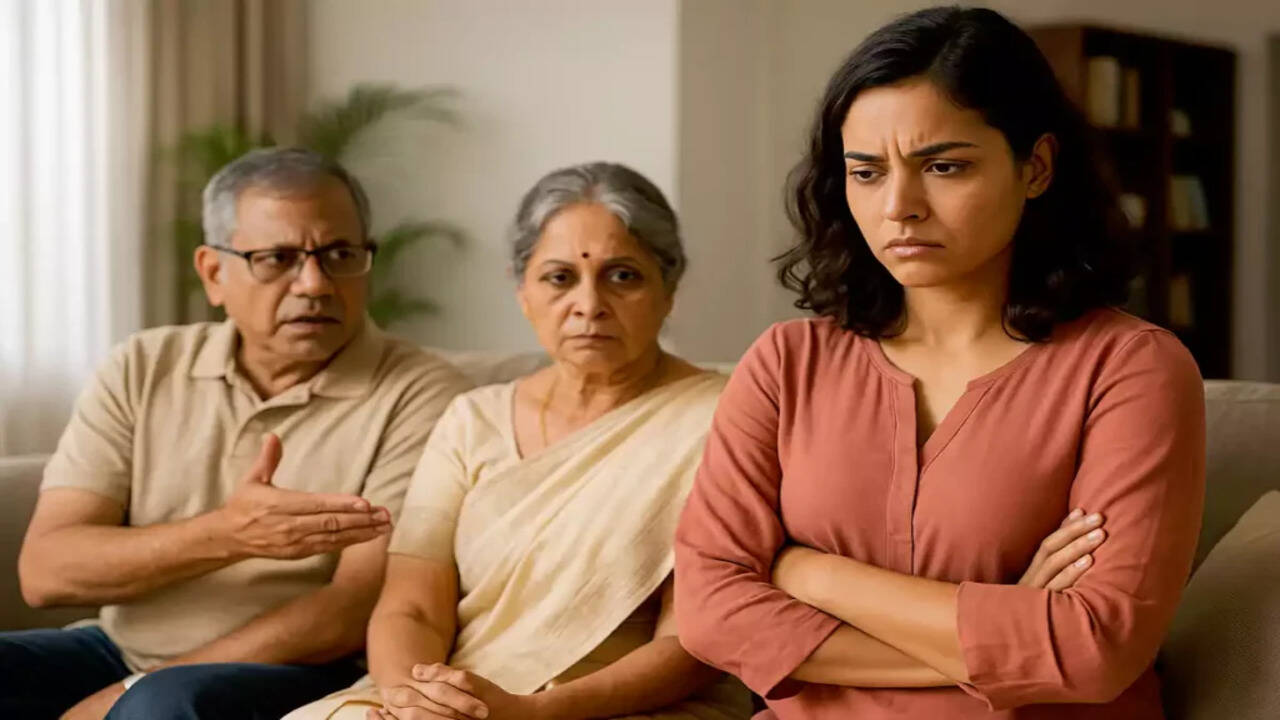
In a landmark decision, the Delhi High Court has ruled that elderly in-laws cannot be evicted by their daughters-in-law, granting them rights to live peacefully in their homes. This ruling comes as a relief to many elderly parents facing disputes within joint families. The court emphasized that while daughters-in-law have certain rights, they cannot displace their in-laws from their own property. The decision aims to protect the dignity and peace of elderly individuals, ensuring they are not affected by marital conflicts. This ruling sets a precedent for similar cases in the future, highlighting the importance of family harmony and respect for elders.
The decision by the Delhi High Court is significant as it addresses the growing tension in joint families, where disputes often arise between daughters-in-law and their in-laws. Traditionally, Indian families have been rooted in the concept of joint living, but with evolving social dynamics, many families are witnessing conflicts that can lead to the eviction of elderly members. The court's ruling underscores the legal protections available to seniors, reaffirming their rights in a familial setting.
In its judgment, the court highlighted the necessity of safeguarding the rights of elderly individuals, who often find themselves vulnerable in familial disputes. The ruling reflects a broader societal understanding of the challenges faced by senior citizens, particularly in urban settings where the traditional family structure is increasingly under strain. By ensuring that in-laws retain their right to reside in their homes, the court aims to promote a more stable and respectful environment for all family members.
This ruling is expected to have far-reaching implications on family dynamics across India. It sends a clear message that the rights of elderly family members must be respected, potentially leading to a shift in how families approach conflict resolution. The court's decision encourages families to seek amicable solutions rather than resorting to legal battles that can tear apart familial bonds.
Legal experts believe that this ruling could pave the way for future cases concerning family rights and property disputes. It establishes a precedent that may influence how similar disputes are resolved in lower courts. Moreover, it emphasizes the need for laws that protect the elderly, ensuring that they are not marginalized in their own homes. The case illustrates the delicate balance between the rights of daughters-in-law and the rights of in-laws, marking a pivotal moment in family law.
The ruling also holds social significance, as it calls for a cultural shift towards valuing and respecting the elderly within the family unit. In a society where family ties are paramount, the court's decision serves as a reminder of the importance of nurturing relationships among all family members. It encourages families to foster an atmosphere of cooperation and understanding, rather than one of hostility and eviction.
The Delhi High Court's ruling is a significant step towards protecting the rights of elderly individuals within the family structure. By affirming that daughters-in-law cannot evict their in-laws, the court has reinforced the importance of family harmony and respect for elders. As society continues to evolve, this decision may serve as a catalyst for further discussions around family rights and responsibilities, ensuring that the dignity of all family members is upheld.


Loading more news...
You've reached the end of our news feed. Check back later for more updates!