Politics
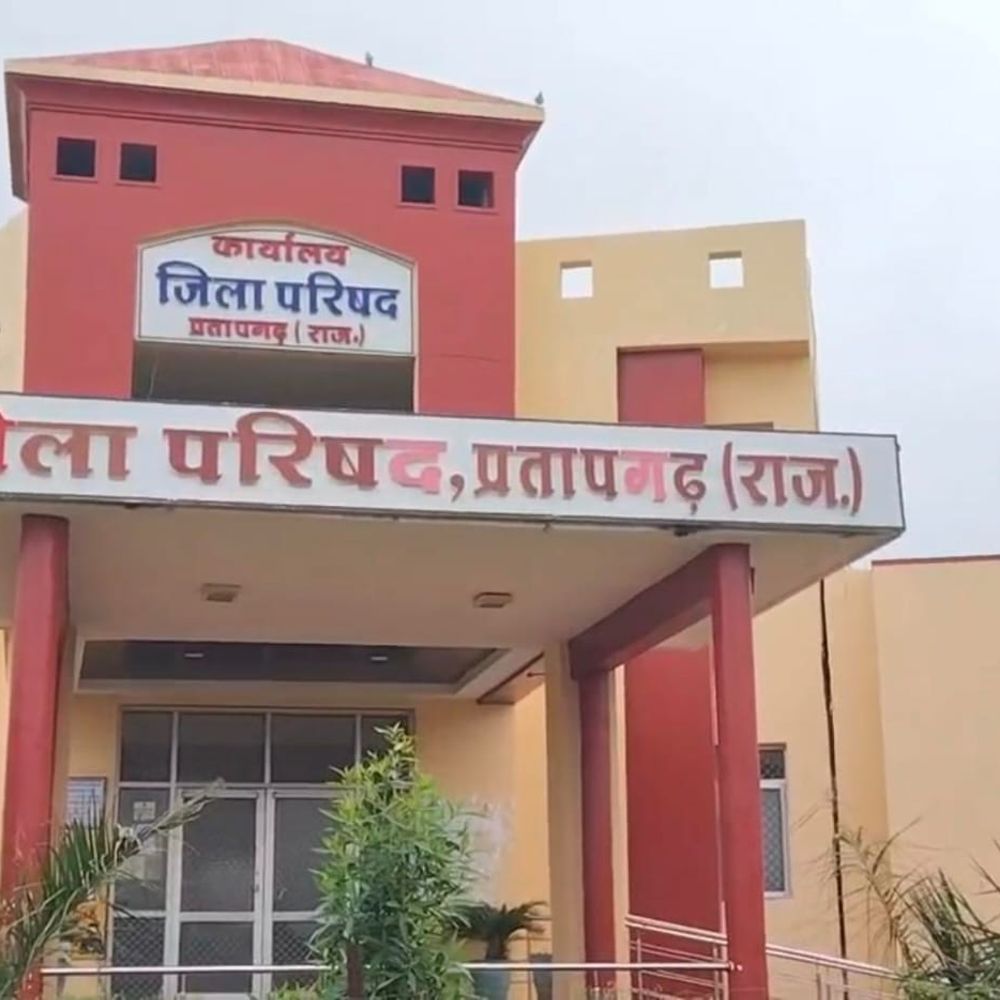
जहां प्रधान की जीत तय, वहीं जिला परिषद के दो वार्ड गंवाए, मतदाताओं ने अलग-अलग प्राथमिकताएं तय की
November 24, 2026
1,700 views
CPI(M) MP warns LPG crisis hits kitchens
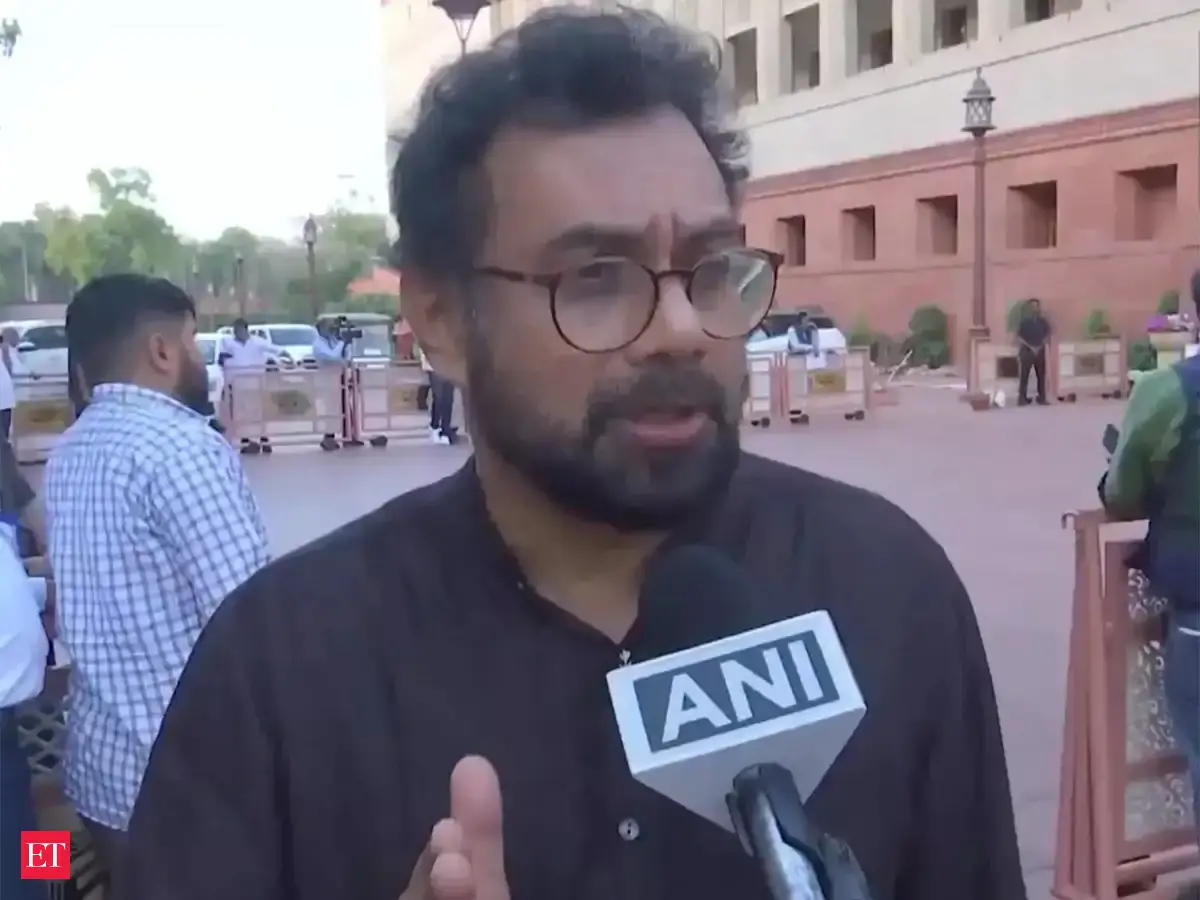
In a recent outburst, MP John Brittas, representing the Communist Party of India (Marxist), has raised significant concerns regarding the government's handling of the LPG supply disruption that has affected households and businesses alike. The ongoing crisis has not only disrupted domestic life but has also severely impacted the restaurant industry, leading to widespread closures as establishments grapple with a lack of essential resources.
The disruption of Liquefied Petroleum Gas (LPG) supplies has become a pressing issue across the country. As a vital source of energy for cooking, the scarcity of LPG has forced many families to rethink their daily routines. According to Brittas, the government's response has been inadequate, lacking the swift and effective action required to alleviate the suffering of the populace. The situation has escalated to such an extent that restaurateurs are being compelled to shut down operations, causing significant economic repercussions.
With the ongoing conflict disrupting the supply chain of LPG, households are feeling the brunt of the crisis. Many families, who rely on gas for cooking, are now forced to seek alternative methods, including using firewood or electric stoves, which are not only less convenient but also more costly. Brittas emphasizes that the government must prioritize the restoration of LPG supplies to ensure that families can return to a sense of normalcy.
The restaurant industry, which has already been struggling in the aftermath of the pandemic, is facing a new wave of challenges due to the LPG shortage. Many restaurants have reported dwindling customer footfall as they are unable to prepare hot meals, leading to financial losses and job cuts. Brittas has called for immediate government intervention to prevent further irreversible damage to this vital sector of the economy.
Despite the growing outcry from various sectors, the government's response has been largely characterized by delayed measures and insufficient support. Brittas argues that the authorities seem disconnected from the ground realities faced by ordinary citizens. He has urged the government to listen to the voices of the people and act decisively to address the LPG supply issues.
Public sentiment has been largely negative towards the government’s handling of the situation. Many citizens have taken to social media to express their frustrations, sharing personal stories of hardship that have arisen due to the disruption in LPG supplies. This grassroots movement is gaining traction, as more people join the chorus calling for accountability and action from their leaders.
Brittas has proposed several concrete measures that the government could adopt to resolve the LPG crisis. First and foremost, ensuring a steady supply of LPG to both residential and commercial users is critical. This could involve increasing imports or ramping up local production to meet demand. Furthermore, he suggests that the government should work closely with suppliers to streamline logistics and distribution channels, thereby minimizing delays.
In addition to addressing the immediate supply issues, Brittas emphasizes the importance of long-term planning. The government should consider investing in alternative energy sources and technologies to reduce dependency on LPG. This could include promoting solar cooking solutions or electric stoves, which could provide sustainable alternatives for households and businesses alike.
As the situation continues to unfold, community solidarity has emerged as a crucial aspect of coping with the crisis. Local organizations and community leaders are stepping up to support those most affected by the LPG shortage. Initiatives such as community kitchens and food distribution programs are being organized to ensure that no one goes hungry during this difficult time.
Brittas has lauded these efforts, highlighting the resilience and strength of communities in the face of adversity. He believes that while government action is essential, grassroots movements and community support play a vital role in navigating through crises.
In conclusion, MP John Brittas' condemnation of the government's response to the LPG supply disruption highlights a significant issue affecting many citizens. The calls for immediate action reflect the urgency of the situation, as households and businesses alike struggle to cope with the ongoing crisis. As the public demands accountability and effective solutions, it is crucial that the government acknowledges the gravity of the situation and takes steps to restore normalcy. The resilience shown by communities in supporting each other serves as a beacon of hope amidst the turmoil, proving that collective action can indeed bring about change.

Loading more news...
You've reached the end of our news feed. Check back later for more updates!