Politics
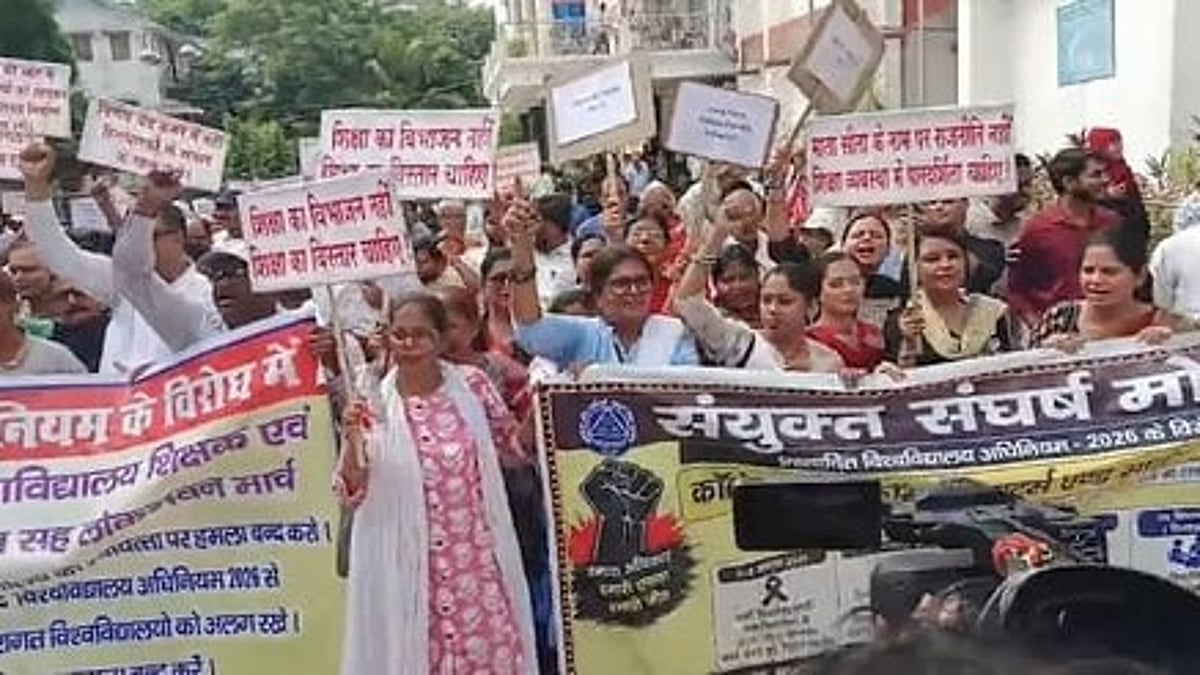
Bihar: Over 50 held in protest against Mata Sita women’s university
October 10, 2026
1,707 views

In a strikingly bold move, renowned Punjabi singer Babbu Maan ignited controversy during a recent concert in Spain, where he delivered a fiery speech directed at podcasters and journalists. The atmosphere was charged as Maan addressed his critics, urging them to confront issues directly instead of commenting from a distance. This unexpected outburst has sparked heated discussions among fans, media personalities, and the general public, raising questions about the role of artists in social commentary and the responsibilities of the press.
Babbu Maan, known for his powerful lyrics and unique musical style, took the stage in Spain with palpable energy. As he performed his popular hits, he paused to address the crowd, his tone shifting from celebratory to confrontational. The singer expressed frustration over how certain individuals in the media landscape have commented on his work and personal life without engaging in direct dialogue. He emphasized the importance of understanding the artist's perspective and criticized the tendency of some journalists and podcasters to sensationalize stories for clicks and views.
During his speech, Babbu Maan made a passionate appeal for accountability, challenging his critics to confront him directly with their opinions. "If you have something to say, come and say it to my face," he declared, a statement that resonated with many in the audience. This call for accountability not only highlighted the disconnect between artists and critics but also pointed towards a broader issue within the media industry, where sensationalism often overshadows factual reporting.
The audience's reaction was mixed; while many fans cheered in support of Maan's bold stance, others expressed concern over the potential implications of his words. Social media platforms quickly became a battleground for opinions, with some praising Maan's candidness as a necessary disruption in the entertainment industry, while others criticized him for targeting the press. This polarization illustrates the delicate balance that artists must navigate between self-expression and public scrutiny.
Babbu Maan's fiery speech raises pertinent questions about the role of artists in social discourse. As public figures, artists often wield significant influence, and their words can shape public opinion. In an age where social media amplifies every statement, the responsibility of artists to engage thoughtfully with their audience becomes increasingly important. Maan's comments serve as a reminder that artists are not just entertainers; they are also commentators on societal issues, and their voices can resonate with the public in profound ways.
On the other hand, Maan's address also highlights the media's responsibility to report accurately and fairly. The rise of digital media has led to a proliferation of content, often prioritizing sensationalism over substance. This situation can lead to misrepresentations and misunderstandings, further straining the relationship between artists and the press. Journalists and podcasters must strive to engage constructively with the subjects they cover, fostering a culture of respect and understanding.
As the fallout from Babbu Maan's speech continues to reverberate, it serves as a critical moment for both artists and the media. By challenging critics to engage in direct dialogue, Maan opens the door for more meaningful conversations about the intersection of art and journalism. This controversy is not just about one artist's response to criticism; it reflects a larger dialogue about accountability, responsibility, and the need for a more nuanced understanding of the roles both artists and the media play in shaping public discourse. As fans and critics alike reflect on the implications of Maan's words, it is clear that the conversation is far from over.

Loading more news...
You've reached the end of our news feed. Check back later for more updates!