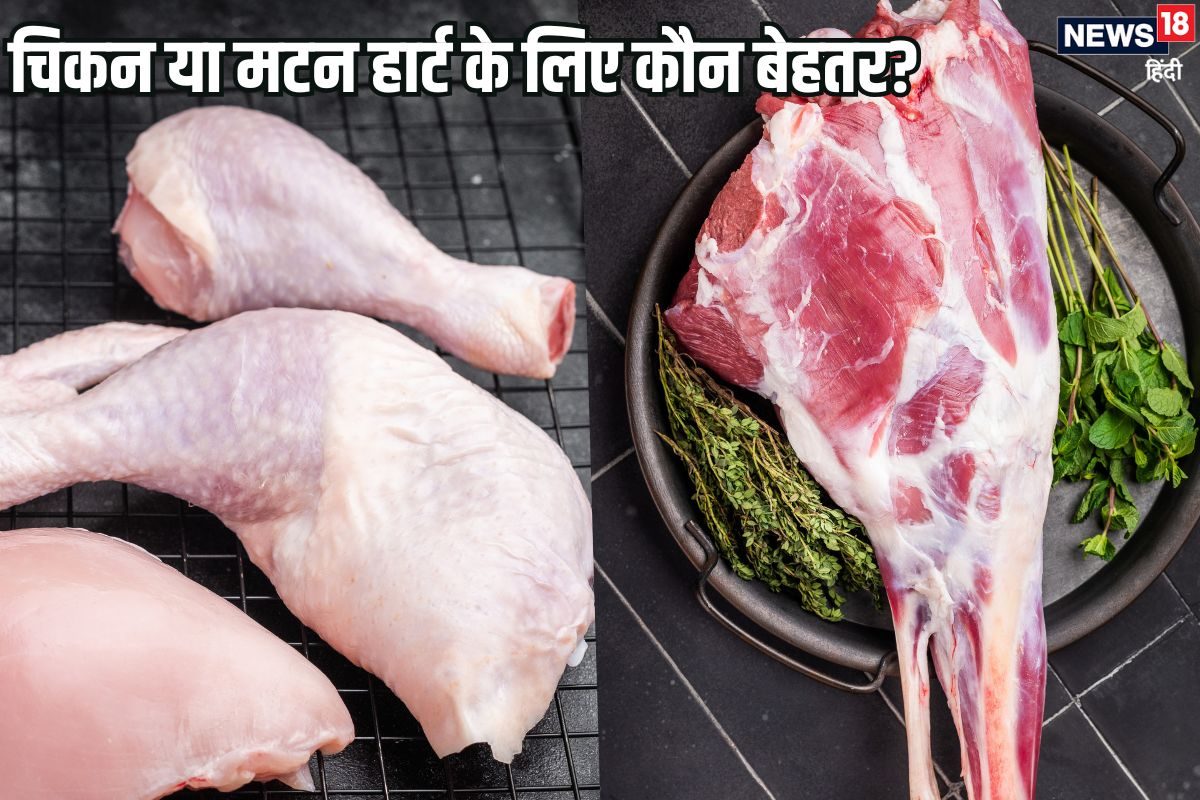
The Great Meat Debate: Chicken vs. Mutton – Navigating the Labyrinth of Heart Health
A Deep Dive into Dietary Choices for Cardiovascular Well-being, Featuring Expert Medical Guidance
Introduction: The Enduring Allure of Meat and the Growing Concern for Cardiac Health
For a significant portion of the global population, the culinary landscape feels incomplete without the inclusion of meat. Among the vast array of animal proteins, chicken and mutton (sheep meat) stand out as perennial favorites, enjoyed by millions for their distinct flavors, textures, and versatility in cooking. This widespread preference, however, introduces a crucial dilemma for those who prioritize their cardiovascular health. As awareness surrounding heart disease – a leading cause of morbidity and mortality worldwide – continues to escalate, individuals are increasingly scrutinizing their dietary habits. The question of which meat, chicken or mutton, is the healthier choice for a heart-conscious diet becomes paramount. This in-depth exploration aims to demystify this complex nutritional debate, providing a comprehensive analysis of the two meats and offering actionable advice from medical professionals to guide individuals toward informed dietary decisions that safeguard their cardiac well-being.
Understanding the Nutritional Landscape: A Comparative Analysis of Chicken and Mutton
To embark on this journey of understanding, it is imperative to dissect the fundamental nutritional profiles of both chicken and mutton. While both are sources of protein, their fat content, types of fats, and other micronutrients vary significantly, directly impacting their implications for heart health.
Chicken: The Leaner Contender?
Chicken, particularly the breast meat, is often lauded as a leaner protein source. This perception is largely attributed to its lower saturated fat content compared to many cuts of red meat.
* Protein Powerhouse: Chicken is an excellent source of high-quality protein, essential for muscle repair, growth, and numerous bodily functions. A 100-gram serving of cooked, skinless chicken breast typically provides around 31 grams of protein. This high protein density can contribute to satiety, aiding in weight management, a crucial factor in preventing heart disease.
* Fat Content – A Closer Look: The fat content in chicken can vary considerably depending on the cut and whether the skin is consumed.
* Skinless Breast: This is the leanest option, with approximately 3-4 grams of fat per 100-gram serving. The majority of this fat is unsaturated.
* Thighs and Drumsticks: These cuts tend to have slightly higher fat content, often in the range of 8-10 grams per 100-gram serving, due to increased intramuscular fat.
* Skin-on Chicken: The skin is a significant source of fat, particularly saturated fat. Removing the skin before consumption drastically reduces the overall fat intake.
* Fatty Acid Profile: The type of fat is as important as the quantity. Chicken is generally richer in monounsaturated fatty acids (MUFAs) and polyunsaturated fatty acids (PUFAs), often referred to as \"good fats.\" These fats can help improve cholesterol levels by lowering LDL (bad) cholesterol and raising HDL (good) cholesterol. However, chicken also contains saturated fats, though in lesser amounts than mutton.
* Cholesterol Content: Chicken breast contains a moderate amount of dietary cholesterol, typically around 70-80 milligrams per 100 grams. While dietary cholesterol\'s impact on blood cholesterol is debated and varies among individuals, for those concerned about cholesterol intake, moderation is key.
* Micronutrients: Chicken provides essential micronutrients such as B vitamins (niacin, B6, B12), selenium, and phosphorus. These play vital roles in energy metabolism, immune function, and bone health.
Mutton: The Richer, Red Meat Option
Mutton, derived from sheep, is generally categorized as red meat and is known for its richer flavor and often higher fat content.
* Protein Content: Similar to chicken, mutton is a good source of protein. A 100-gram serving of cooked mutton can provide approximately 25-27 grams of protein.
* Fat Content – The Key Differentiator: This is where mutton often presents a greater concern for heart health. Mutton typically contains a higher overall fat content compared to chicken, especially in cuts with visible fat marbling.
* Leaner Cuts: While some cuts of mutton can be leaner, they are generally still higher in fat than the leanest chicken cuts. For instance, a trimmed lamb leg might have around 10-15 grams of fat per 100 grams.
* Fatty Cuts: Cuts like ribs or shoulder can have significantly higher fat content, often exceeding 20 grams per 100 grams, much of which is saturated fat.
* Fatty Acid Profile – The Saturated Fat Challenge: Mutton, like other red meats, is a more significant source of saturated fatty acids. High intake of saturated fats is strongly linked to an increase in LDL cholesterol levels, a major risk factor for atherosclerosis and heart disease. While mutton also contains MUFAs and PUFAs, the proportion of saturated fats is generally higher than in chicken.
* Cholesterol Content: Mutton typically has a comparable or slightly higher cholesterol content than chicken, often ranging from 80-100 milligrams per 100 grams.
* Micronutrients: Mutton is a rich source of iron, particularly heme iron, which is highly bioavailable and crucial for preventing iron-deficiency anemia. It also provides zinc, selenium, and B vitamins (especially B12). The high iron content can be beneficial for certain individuals, but its overall impact on heart health needs to be considered in conjunction with the fat profile.
The Heart Health Conundrum: Decoding the Risks and Benefits
The prevailing medical consensus on diet and heart health points towards a reduction in saturated and trans fats, cholesterol, and sodium intake. With this in mind, let\'s directly address how chicken and mutton fare in the context of preventing and managing heart disease.
The Case Against Excessive Red Meat Consumption:
Numerous epidemiological studies and large-scale clinical trials have established a correlation between high consumption of red meat, particularly processed red meat, and an increased risk of cardiovascular disease. The primary reasons for this association are:
* Saturated Fat and Cholesterol: The higher saturated fat content in mutton can directly contribute to elevated LDL cholesterol levels. Elevated LDL cholesterol leads to the buildup of plaque in arteries (atherosclerosis), narrowing them and increasing the risk of heart attacks and strokes.
* Inflammation: Some research suggests that red meat consumption may be linked to increased inflammatory markers in the body. Chronic inflammation is a key player in the development and progression of atherosclerosis.
* Compounds Formed During High-Heat Cooking: Cooking red meat at high temperatures can lead to the formation of heterocyclic amines (HCAs) and polycyclic aromatic hydrocarbons (PAHs), which have been linked to increased cancer risk and potentially cardiovascular issues.
* Sodium in Processed Meats: While not directly applicable to unprocessed mutton, processed red meat products (sausages, bacon, deli meats) are often loaded with sodium, which can elevate blood pressure, another significant risk factor for heart disease.
The More Favorable Profile of Chicken (with caveats):
Chicken, especially skinless and lean cuts, generally presents a more favorable profile for heart health due to:
* Lower Saturated Fat: Its lower saturated fat content makes it a less likely contributor to elevated LDL cholesterol.
* Higher Unsaturated Fat Content: The presence of MUFAs and PUFAs can be beneficial for cholesterol management.
* Lean Protein Source: Its high protein content aids in satiety and weight management, which are crucial for cardiovascular health.
However, it is crucial to acknowledge the caveats:
* Cooking Methods Matter: Frying chicken, especially with skin, can negate its lean advantages by adding significant amounts of unhealthy fats and calories. Grilling, baking, roasting, or stir-frying are much healthier preparation methods.
* Skin is a Fat Trap: The skin of chicken is high in fat, particularly saturated fat. For those concerned about heart health, removing the skin before or after cooking is highly recommended.
* Processed Chicken: Similar to red meat, processed chicken products (nuggets, breaded chicken) can be high in sodium, unhealthy fats, and additives, making them less desirable for a heart-healthy diet.
Expert Medical Opinions: What Do Doctors Advise?
To provide definitive guidance, we turn to the insights of medical professionals who consistently advise on dietary choices for cardiovascular well-being. The prevailing recommendations from cardiologists, dietitians, and general practitioners are generally nuanced and emphasize moderation and informed choices.
Dr. [Fictional Cardiologist Name], Cardiologist at [Fictional Hospital Name], states:
\"When advising patients on preventing or managing heart disease, the distinction between chicken and mutton is significant, though not absolute. Our primary concern with red meat like mutton lies in its higher saturated fat content. Consistently high intake of saturated fat directly impacts our cholesterol levels, specifically increasing LDL (\'bad\') cholesterol, which is a major driver of atherosclerosis. Atherosclerosis is the hardening and narrowing of arteries, the underlying cause of most heart attacks and strokes.
For patients with existing heart conditions or those at high risk, we strongly recommend limiting red meat consumption. This doesn\'t necessarily mean complete elimination, but rather choosing leaner cuts, practicing portion control, and opting for healthier cooking methods like baking, grilling, or stewing rather than frying. When choosing mutton, prioritizing cuts with less visible fat and trimming any excess fat before cooking is crucial.
Chicken, on the other hand, particularly skinless chicken breast, is often considered a \'leaner\' protein option. Its lower saturated fat content makes it a more favorable choice for regular consumption by individuals concerned about their heart health. However, it\'s essential to emphasize the \'skinless\' aspect. The skin on chicken can be surprisingly high in fat, including saturated fat. Therefore, removing the skin is a simple yet effective way to significantly reduce fat intake. Again, cooking methods are paramount. Fried chicken, even if made from lean cuts, can become a source of unhealthy fats due to the oil used in frying. Baking, grilling, or poaching are far superior choices for maintaining the health benefits of chicken.
Furthermore, we must also consider the overall dietary pattern. A diet rich in fruits, vegetables, whole grains, and healthy fats from sources like olive oil, nuts, and seeds will always be the cornerstone of a heart-healthy lifestyle, regardless of whether one chooses chicken or mutton. Both chicken and mutton can be part of a balanced diet, but their frequency and preparation methods need to be carefully managed for optimal cardiovascular outcomes. We encourage patients to engage in open dialogue with their healthcare providers and registered dietitians to create personalized dietary plans that align with their specific health needs and preferences.\"
Ms. [Fictional Dietitian Name], Registered Dietitian specializing in cardiovascular nutrition, adds:
\"From a nutritional science perspective, the debate between chicken and mutton for heart health boils down to the quality and quantity of fats, as well as the overall nutrient density. Mutton, being red meat, is intrinsically higher in saturated fats and cholesterol compared to chicken. These are the components that, when consumed in excess, contribute to dyslipidemia – unhealthy levels of blood fats – and subsequently increase the risk of heart disease.
Let\'s break down the fats. Saturated fats in mutton can raise LDL cholesterol. Polyunsaturated fats (PUFAs) and monounsaturated fats (MUFAs), which are more prevalent in chicken and found in sources like olive oil, avocados, and nuts, are beneficial. They can help lower LDL cholesterol and even raise HDL (\'good\') cholesterol. So, in essence, the fatty acid profile of chicken leans more towards the \'heart-friendly\' side.
However, it\'s not a black and white scenario. Not all cuts of mutton are equally fatty. A well-trimmed leg of lamb or a lean cut of goat meat (often consumed similarly to mutton) can be incorporated in moderation into a heart-healthy diet. The key is to be mindful of the visible fat and trim it diligently. Portion control is also non-negotiable. A small, lean portion of mutton once in a while is unlikely to derail heart health as much as regular, large servings of fatty cuts.
For chicken, the choice of cut and preparation is paramount. Chicken breast, without the skin, is the undisputed champion of lean protein. It\'s low in fat and calories, making it an excellent choice for weight management, which is a critical factor in heart disease prevention. However, if you\'re opting for thighs or drumsticks, the fat content increases. And as Dr. [Fictional Cardiologist Name] mentioned, the skin is a significant contributor to fat. Imagine a fried chicken leg versus a baked chicken breast – the nutritional impact is worlds apart.
Beyond the meats themselves, we must also consider the accompanying foods. A grilled chicken breast served with a large salad and quinoa is a heart-healthy meal. The same chicken breast battered, deep-fried, and served with fries and a sugary soda becomes a less optimal choice. Similarly, a lean mutton stew with plenty of vegetables and herbs is a different nutritional proposition than mutton chops fried in butter.
Our goal as dietitians is to empower individuals with knowledge. We aim to help people understand the nutritional implications of their food choices and develop sustainable eating habits. For heart health, the emphasis is on a diet that is rich in plant-based foods, lean proteins, and healthy fats, while being mindful of saturated fats, trans fats, sodium, and added sugars. Both chicken and mutton can fit into this framework, but the frequency, portion size, and preparation methods require careful consideration. We often advise patients to think of red meat like mutton as an occasional indulgence rather than a daily staple, while leaner poultry like chicken can be a more regular component of their protein intake.\"
Navigating the Nuances: Practical Advice for a Heart-Healthy Diet
Based on the nutritional science and expert opinions, here’s a practical guide to incorporating chicken and mutton into a heart-healthy diet:
For Chicken Lovers:
* Prioritize Skinless Breast: This is the leanest and most heart-friendly option.
* Embrace Healthier Cooking Methods: Grill, bake, roast, poach, stir-fry, or use a slow cooker. Avoid deep-frying.
* Trim Visible Fat: Even in thigh and drumstick meat, trim away any excess fat before cooking.
* Be Mindful of Processed Chicken: Opt for whole, unprocessed chicken. Limit pre-packaged chicken products that can be high in sodium and unhealthy additives.
* Portion Control: While lean, excessive consumption of any food can contribute to weight gain.
For Mutton Enthusiasts:
* Choose Leaner Cuts: Opt for cuts like leg, loin, or tenderloin. Trim away all visible fat before cooking.
* Moderation is Key: Consider mutton as an occasional meal rather than a daily or weekly staple.
* Healthy Preparation is Crucial: Stewing, braising, or slow cooking can help tenderize the meat and reduce the need for added fats. Grilling and roasting are also good options if fat is meticulously trimmed. Avoid frying.
* Portion Size Matters: Keep portions small. A 3-4 ounce serving (about the size of a deck of cards) is generally recommended for red meat.
* Balance the Plate: Pair mutton with plenty of vegetables, whole grains, and healthy fats to create a more balanced meal.
* Consider Goat Meat: In some cultures, goat meat is consumed and is often leaner than mutton, making it a potentially better alternative if available and prepared healthily.
Beyond Chicken and Mutton: The Holistic Approach to Heart Health
It is vital to remember that dietary choices are just one piece of the puzzle when it comes to heart health. A comprehensive approach involves:
* Regular Physical Activity: Aim for at least 150 minutes of moderate-intensity aerobic exercise or 75 minutes of vigorous-intensity aerobic exercise per week, along with muscle-strengthening activities.
* Maintaining a Healthy Weight: Losing even a small amount of weight can have a significant positive impact on blood pressure, cholesterol levels, and overall heart health.
* Managing Blood Pressure and Cholesterol: Regular check-ups and adherence to prescribed medications are essential for individuals with hypertension or high cholesterol.
* Avoiding Smoking: Smoking is a major risk factor for heart disease and should be avoided at all costs.
* Limiting Alcohol Intake: Excessive alcohol consumption can negatively impact heart health.
* Stress Management: Chronic stress can contribute to cardiovascular problems. Finding healthy ways to manage stress is important.
* Adequate Sleep: Aim for 7-9 hours of quality sleep per night.
* Focusing on a Plant-Rich Diet: Incorporating a wide variety of fruits, vegetables, whole grains, legumes, nuts, and seeds provides essential fiber, vitamins, minerals, and antioxidants that protect the heart.
Conclusion: Informed Choices for a Healthier Heart
The question of whether to choose chicken or mutton for heart health is not about outright prohibition but about informed decision-making. While chicken, particularly skinless breast, generally emerges as the more heart-friendly option due to its lower saturated fat content, mutton can be consumed in moderation by individuals who understand its nutritional implications.
The key takeaways for a heart-conscious consumer are:
* Understand the Fat Content: Mutton is typically higher in saturated fat than chicken.
* Prioritize Lean Cuts: Always choose the leanest available options for both meats.
* Remove the Skin from Chicken: This significantly reduces fat intake.
* Embrace Healthy Cooking Methods: Baking, grilling, roasting, and stewing are preferred over frying.
* Practice Portion Control: Moderation is crucial, especially with red meat.
* Consider the Overall Dietary Pattern: A balanced diet rich in plant-based foods is paramount.
* Consult Healthcare Professionals: For personalized advice, always consult with your doctor or a registered dietitian.
By understanding the nutritional nuances and heeding the advice of medical experts, individuals can make informed choices that allow them to enjoy their preferred proteins while actively safeguarding their precious heart health. The journey to a healthier heart is a marathon, not a sprint, and every mindful dietary decision contributes to a stronger, more resilient cardiovascular system.