Science
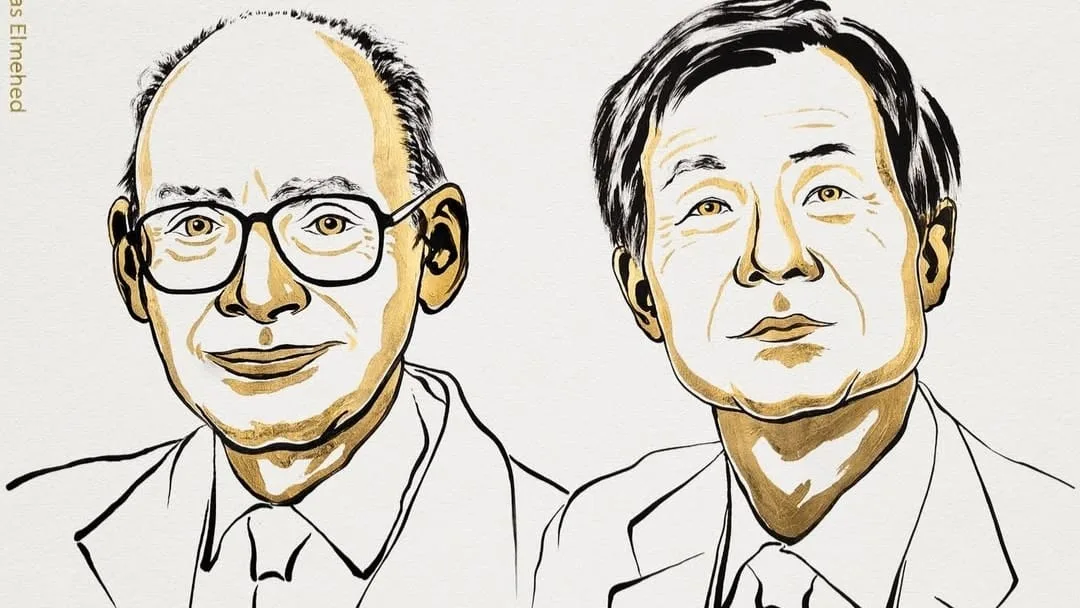
Henri Kagan wins Nobel Prize at 95: Check out his contributions to chemistry and pharmacy
October 9, 2026
2,834 views
Centre launches nationwide survey to map India’s manuscript heritage under Gyan Bharatam Mission

In a significant move to preserve and promote its rich literary history, India’s Ministry of Culture has initiated a nationwide survey aimed at mapping the country’s extensive manuscript heritage. This ambitious initiative is set to create a comprehensive digital record of invaluable historical treasures that have been preserved over centuries. The survey will involve dedicated teams tasked with identifying and cataloging manuscripts from various regions, ensuring that these cultural artifacts are not only preserved but also made accessible to future generations.
The main objective of this nationwide survey is to build a national digital repository of manuscripts that reflects India’s diverse cultural landscape. By systematically cataloging manuscripts, the Ministry aims to ensure that these vital records of history, literature, and philosophy are safeguarded and promoted. During the launch, Prime Minister Narendra Modi emphasized the significance of India’s vast manuscript collection, noting that it is a testament to the country’s rich intellectual heritage.
The creation of a digital repository will not only facilitate easier access to these manuscripts for scholars, researchers, and the general public but will also enhance the preservation efforts. Many of these ancient texts are at risk of deterioration due to environmental factors and lack of proper conservation techniques. By digitizing these documents, the Ministry hopes to mitigate the risk of loss and ensure that these treasures can be studied and appreciated by a global audience.
Teams deployed across the country will undertake a meticulous process of identification and documentation. This involves visiting libraries, archives, temples, and private collections where manuscripts are housed. The survey aims to cover both well-known institutions and lesser-known repositories, bringing to light many hidden gems that hold historical significance. The Ministry of Culture has also invited contributions from local scholars and enthusiasts who may possess knowledge of undiscovered or underappreciated manuscript collections.
This initiative is not just a top-down approach; it encourages community involvement. By engaging local historians, archivists, and cultural organizations, the Ministry aims to foster a sense of ownership and pride in the preservation of cultural heritage. The involvement of local communities is crucial, as they often possess unique insights and knowledge about the manuscripts that can enhance the survey's outcomes.
This survey is aligned with the New Delhi Declaration, which emphasizes the importance of preserving cultural heritage in the digital age. The declaration calls for collective action among nations to protect and promote cultural diversity while leveraging technology for better accessibility. India’s initiative is a proactive step towards fulfilling this global commitment, showcasing the country’s resolve to safeguard its rich historical narrative.
Manuscripts in India are not merely historical documents; they represent the country’s vast cultural and intellectual traditions. From ancient texts on philosophy and science to manuscripts of classical literature, these documents encapsulate centuries of knowledge and creativity. The survey aims to highlight the importance of these texts, encouraging further research and scholarship in various fields.
As the survey progresses, the Ministry of Culture plans to regularly update the public on its findings and developments. The creation of the digital repository is expected to attract researchers, students, and tourists, boosting interest in India’s manuscript heritage. Furthermore, this initiative could pave the way for international collaborations, allowing scholars from around the world to engage with India’s rich literary traditions.
India’s efforts could also inspire similar initiatives in other countries, fostering a global movement towards the digitization and preservation of manuscripts. By sharing its methodologies and findings, India can contribute to an international platform dedicated to protecting cultural heritage, thus enhancing global understanding and appreciation of diverse cultures.
The nationwide survey to map India’s manuscript heritage represents a landmark initiative that combines technology, community involvement, and cultural preservation. As the Ministry of Culture embarks on this important journey, it not only aims to safeguard the past but also to inspire future generations to appreciate and engage with their cultural roots. With the support of local communities and scholars, this initiative is poised to make a lasting impact on the preservation of India’s rich manuscript heritage.


Loading more news...
You've reached the end of our news feed. Check back later for more updates!