Science
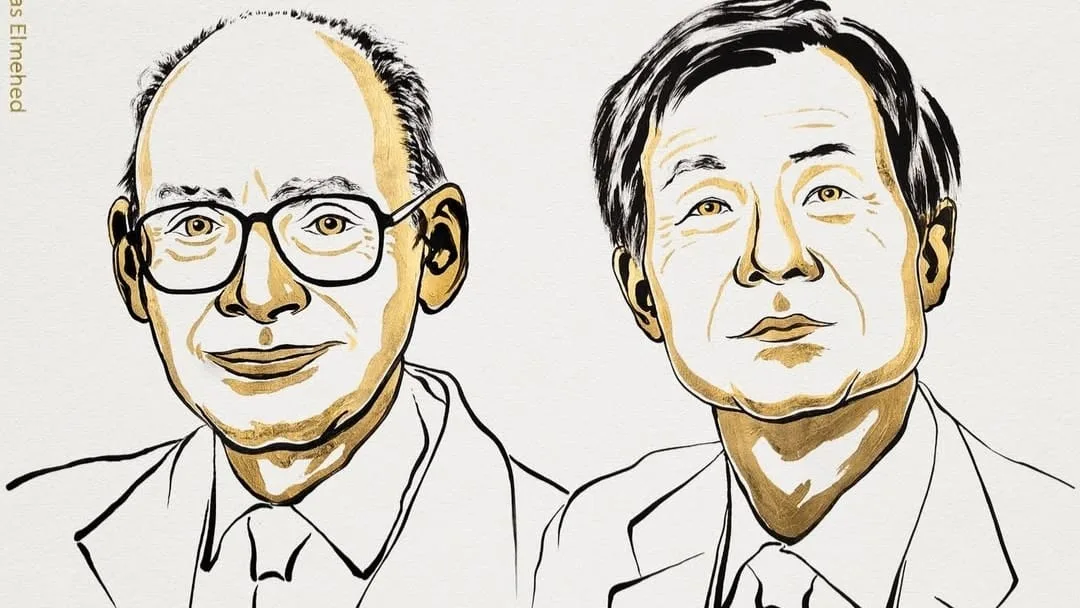
Henri Kagan wins Nobel Prize at 95: Check out his contributions to chemistry and pharmacy
October 9, 2026
2,834 views
Centre launches nationwide survey to map India’s manuscript heritage under Gyan Bharatam Mission

In an ambitious move to preserve and promote the rich cultural heritage of India, the Ministry of Culture has initiated a nationwide survey aimed at mapping the country’s extensive manuscript heritage. This initiative is part of a broader effort to create a comprehensive digital record of India's historical treasures, ensuring that these invaluable resources are safeguarded for future generations.
Manuscripts are not merely pieces of paper; they are the custodians of history, culture, and knowledge. They encapsulate the thoughts, beliefs, and traditions of various communities across India. From ancient scriptures to historical records, these manuscripts provide insights into the diverse tapestry of Indian civilization. The ongoing survey seeks to identify and catalog these manuscripts, many of which remain undiscovered or poorly documented.
The primary objective of this nationwide survey is to build a national digital repository of manuscripts. This repository will serve as a centralized platform where scholars, researchers, and the general public can access a wealth of information about India's manuscript heritage. By digitizing these manuscripts, the Ministry aims to make them more accessible while also ensuring their preservation against deterioration and loss.
The survey will be carried out by dedicated teams who will travel across the length and breadth of the country to identify manuscripts housed in various institutions, libraries, and private collections. The teams will employ a systematic approach to catalog the manuscripts, documenting their origin, historical significance, and current condition. The data collected will be used to create a detailed digital inventory that can be accessed online.
This initiative aligns closely with the New Delhi Declaration, which emphasizes the importance of preserving cultural heritage in the digital age. The Declaration advocates for the safeguarding of manuscripts and other forms of cultural expression as vital components of a nation's identity. By undertaking this survey, India is taking a significant step toward fulfilling its commitment to cultural preservation.
Prime Minister Narendra Modi has been a vocal advocate for recognizing and preserving India’s vast manuscript collection. In his addresses, he has often highlighted the need to celebrate India's heritage and promote it on a global platform. The current survey is a manifestation of this vision, reflecting the government's commitment to cultural conservation and digital innovation.
While the initiative is commendable, there are challenges that lie ahead. Many manuscripts are located in remote areas, and reaching them could pose logistical difficulties. Additionally, the condition of some manuscripts may require careful handling and preservation efforts. The Ministry will need to employ skilled conservators and researchers to ensure that these historical documents are treated with the utmost care.
Technology will play a crucial role in the success of this initiative. Advanced digitization techniques will be employed to capture high-quality images of the manuscripts, preserving the intricate details and unique features of each document. Moreover, developing an intuitive online platform will facilitate easy access to the digital repository, allowing users to search, browse, and study the manuscripts from anywhere in the world.
Engaging local communities in the survey process is another vital aspect of this initiative. By involving local historians, scholars, and students, the Ministry can foster a sense of ownership and pride in the preservation of their cultural heritage. Community workshops and awareness programs will help educate the public about the significance of manuscripts and encourage them to participate actively in the initiative.
The nationwide survey to map India's manuscript heritage is not just a project; it is a commitment to preserving the past while embracing the future. As the world becomes increasingly digitized, it is essential to ensure that our cultural heritage is not lost but rather celebrated and shared. This initiative represents a significant step toward achieving that goal, positioning India as a leader in cultural preservation on the global stage.
In conclusion, the Ministry of Culture’s endeavor to create a national digital repository of manuscripts is a significant milestone in the journey of cultural preservation. With the support of technology, community involvement, and a clear vision, India is set to safeguard its manuscript heritage for generations to come.


Loading more news...
You've reached the end of our news feed. Check back later for more updates!