Science
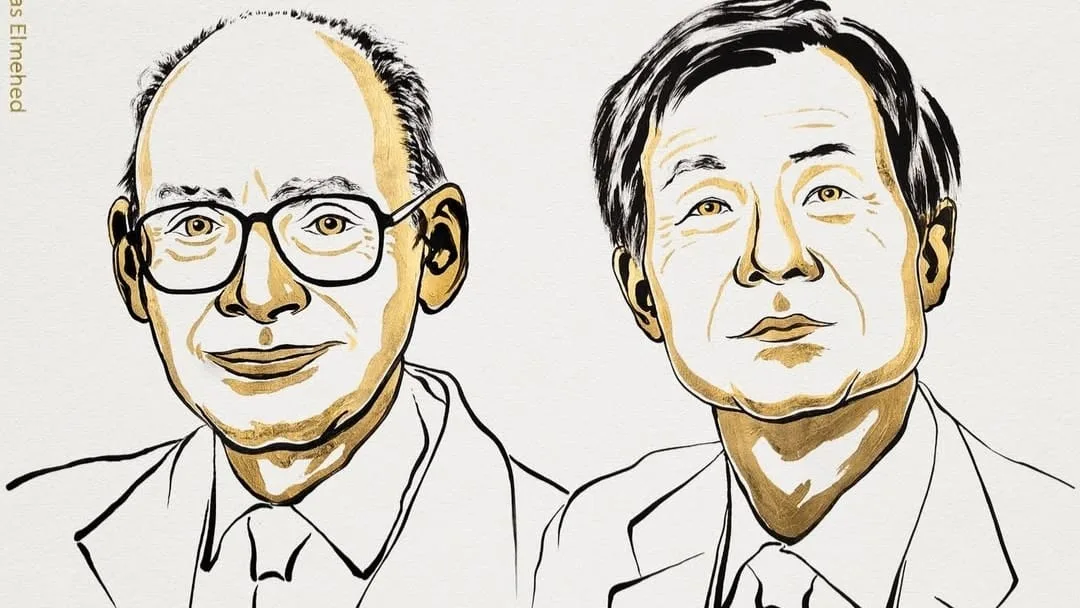
Henri Kagan wins Nobel Prize at 95: Check out his contributions to chemistry and pharmacy
October 9, 2026
2,834 views
Centre launches nationwide survey to map India’s manuscript heritage under Gyan Bharatam Mission

In a significant move to preserve and promote its rich cultural heritage, India's Ministry of Culture has launched a nationwide survey aimed at mapping the country's extensive manuscript heritage. This initiative is not just a bureaucratic exercise but a crucial step towards creating a comprehensive digital record of historical treasures that have been the backbone of India's rich literary and cultural landscape. The survey will involve specialized teams that will be deployed across various regions to identify and catalog manuscripts, ensuring that these invaluable resources are not lost to time.
The primary aim of this initiative is to build a national digital repository that will house the vast array of manuscripts spread across the nation. These manuscripts, which encompass a variety of languages, scripts, and subjects, reflect the diverse cultural and intellectual history of India. By digitizing these texts, the Ministry hopes to make them accessible to scholars, researchers, and the general public alike, fostering greater appreciation for India's manuscript heritage.
Moreover, this survey aligns with the New Delhi Declaration, a commitment made by member countries to promote the preservation and accessibility of documentary heritage. The declaration underscores the importance of safeguarding cultural heritage and ensuring that future generations can access and appreciate these historical documents. Prime Minister Narendra Modi has emphasized the significance of India's vast manuscript collection, highlighting its potential to contribute to global knowledge and cultural dialogue.
The use of modern technology plays a crucial role in the manuscript mapping initiative. Digitization not only helps in preserving fragile manuscripts but also allows for the creation of high-quality digital copies that can be shared easily. This technological advancement will facilitate research and education, enabling scholars to analyze texts without the risk of damaging the original documents. The digital repository will also serve as a platform for collaborative research, allowing historians, linguists, and cultural experts to work together in exploring India's manuscript heritage.
Furthermore, the initiative aims to incorporate advanced technologies such as artificial intelligence and machine learning to enhance the accessibility and searchability of the manuscripts. By tagging and categorizing texts, researchers can quickly find relevant materials for their studies, thus encouraging a more profound exploration of India's literary treasures.
One of the most commendable aspects of this initiative is its focus on engaging local communities. The survey teams will not only identify manuscripts housed in libraries and archives but will also seek out privately held collections in homes and local institutions. This grassroots approach is essential for uncovering hidden gems that may not be documented otherwise. By involving local communities, the initiative fosters a sense of ownership and pride in cultural heritage, encouraging individuals to protect and preserve their historical manuscripts.
Local scholars and enthusiasts will be trained to participate in the survey, providing them with valuable skills in manuscript preservation and documentation. This training will empower communities to take an active role in safeguarding their heritage, ensuring that knowledge is passed down through generations.
Despite the ambitious goals of this survey, several challenges lie ahead. The sheer diversity of languages and scripts in India's manuscripts presents a significant hurdle. Many manuscripts are written in regional languages or dialects that may not have been studied extensively. This linguistic diversity necessitates the involvement of experts from various fields to ensure accurate documentation and preservation.
Additionally, the preservation of physical manuscripts poses its own set of challenges. Many documents are fragile and require specialized care to prevent deterioration. The Ministry of Culture will need to allocate resources for proper conservation techniques to ensure that these manuscripts can be preserved for future generations.
The nationwide survey to map India's manuscript heritage is more than just a cataloging exercise; it represents a significant step towards a cultural renaissance. By recognizing the importance of its manuscript collections, India is taking proactive measures to safeguard its history and ensure that these treasures are accessible to all. The initiative reflects a broader understanding of the role that cultural heritage plays in shaping national identity and fostering dialogue on a global scale.
As the survey progresses, it will undoubtedly uncover a wealth of knowledge and insight into India's rich tapestry of culture and history. By investing in the preservation of its manuscripts, India is making a statement about its commitment to honoring its past while embracing the future.


Loading more news...
You've reached the end of our news feed. Check back later for more updates!