Politics
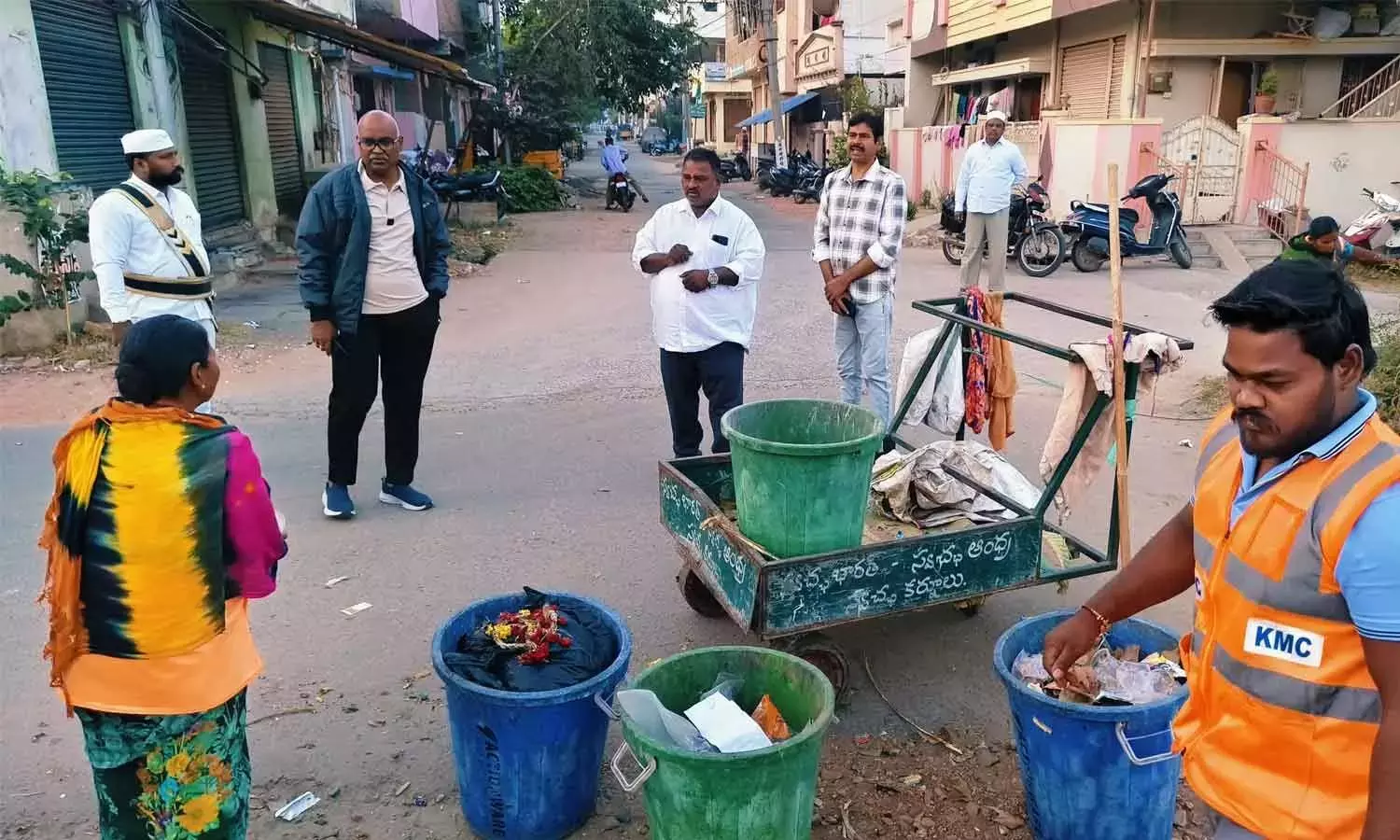
स्वच्छता कार्य में लापरवाही पर कड़ी कार्रवाई होगी: केएमसी आयुक्त
November 19, 2026
2,481 views
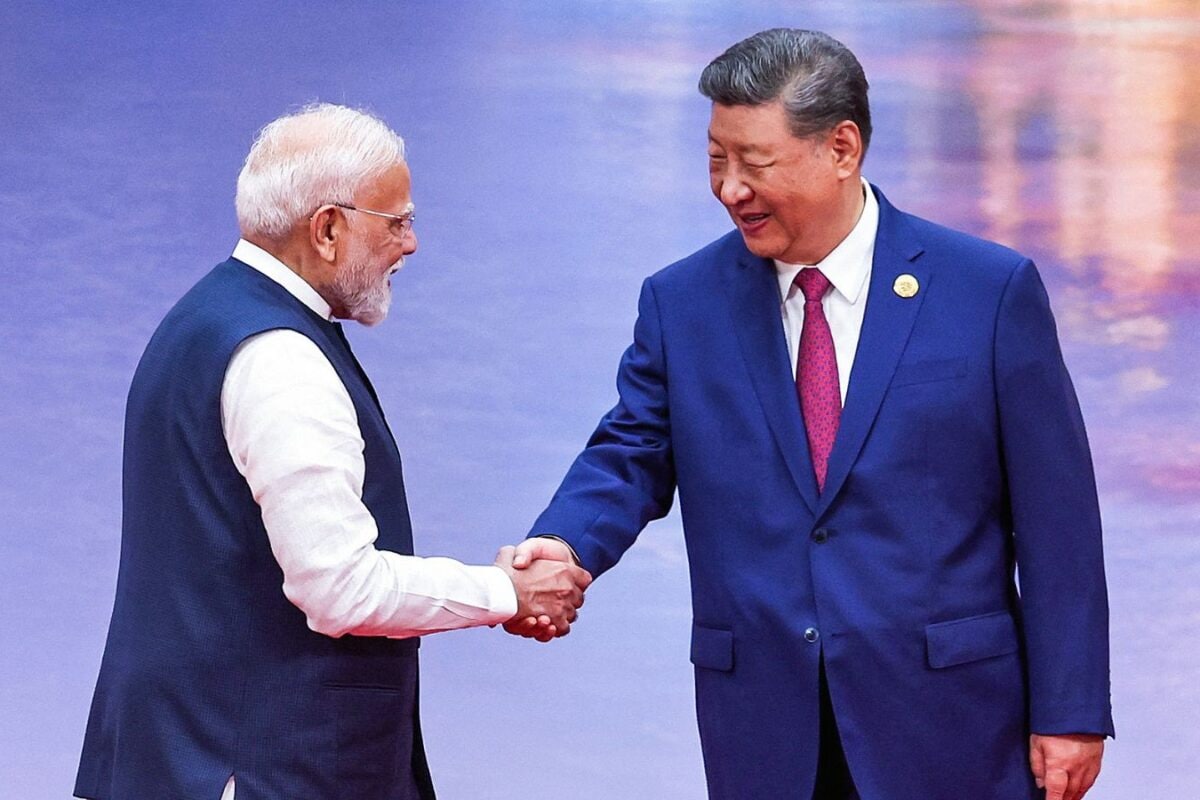
As the world watches closely, the upcoming BRICS summit presents a pivotal opportunity for India and China to reassess their tumultuous relationship. With both Prime Minister Narendra Modi and President Xi Jinping at the helm of their respective nations, the question looms large: can these two regional giants move past their historical grievances and forge a path toward lasting peace and cooperation? This article delves into the complexities of the India-China relationship, exploring the potential for friendship amid unresolved border tensions, strategic rivalry, and deep-seated mistrust.
The India-China relationship has been marred by a series of conflicts and misunderstandings since the mid-20th century. The Sino-Indian War of 1962 remains a poignant reminder of the deep-seated territorial disputes, particularly in regions like Aksai Chin and Arunachal Pradesh. This historical backdrop has fostered a culture of cautious diplomacy, where both nations remain wary of each other's intentions. The BRICS summit, which includes Brazil, Russia, India, China, and South Africa, allows for a platform where both leaders can engage in dialogue away from the pressure of bilateral meetings.
In recent years, the relationship has been characterized by a series of military standoffs, notably the 2020 skirmish in the Galwan Valley that resulted in casualties on both sides. This incident reignited old tensions and highlighted the fragile nature of peace along the Line of Actual Control (LAC). Despite these challenges, there have been some diplomatic overtures, including discussions aimed at de-escalating tensions. However, the question remains: can these gestures translate into meaningful, long-term stability?
The BRICS summit provides a unique backdrop for Modi and Xi to engage in direct dialogue, potentially paving the way for a thaw in relations. With a focus on economic cooperation and addressing global challenges such as climate change and public health, both leaders have a vested interest in finding common ground. The summit could serve as a platform for both nations to collaborate on shared interests, thus fostering a sense of mutual respect and understanding.
However, the underlying issues of border disputes and strategic rivalry cannot be ignored. Each country has its own security concerns and regional ambitions, which complicate the possibility of genuine friendship. Modi’s focus on strengthening India’s military capabilities, coupled with Xi’s assertive foreign policy in the Indo-Pacific region, adds layers of complexity to any discussions about friendship.
One of the primary hurdles to a friendly relationship between India and China is the pervasive mistrust that has developed over decades. Both nations often view each other through a lens of suspicion, which can lead to a cycle of misunderstanding and conflict. The media narratives in both countries often exacerbate this mistrust, portraying the other side as a threat to national security.
Additionally, the influence of third-party nations, particularly the United States, complicates the dynamics. India’s growing ties with Western nations, especially in defense and trade, are viewed with skepticism by China, which perceives it as an encirclement strategy. Conversely, China’s close relationship with Pakistan and its Belt and Road Initiative are seen as challenges to India's regional influence. This geopolitical chess game complicates the potential for India and China to develop a friendly rapport.
Despite the political and military tensions, economic cooperation remains a silver lining in the India-China relationship. Both countries are significant trade partners, with bilateral trade reaching substantial figures in recent years. This economic interdependence could serve as a foundation for building trust and fostering collaboration.
During the BRICS summit, discussions on enhancing trade ties, reducing tariffs, and investing in joint ventures could provide a pragmatic approach to improving relations. The economic benefits of collaboration may motivate both leaders to prioritize dialogue over conflict, thereby creating a conducive environment for friendship to flourish.
The road ahead for India and China is fraught with challenges, yet the potential for friendship cannot be dismissed. The upcoming BRICS summit may serve as a critical juncture in redefining their relationship. Modi and Xi have the opportunity to take decisive steps towards building a framework for lasting stability that transcends their historical grievances.
Ultimately, the success of this endeavor will depend on the leaders’ willingness to engage in honest dialogue, address underlying issues, and foster a spirit of cooperation. The world is watching, and the outcome of their interactions at the BRICS summit could set the tone for a new era in India-China relations—one that prioritizes peace, stability, and shared prosperity over conflict and mistrust.
In conclusion, while challenges abound, the BRICS summit represents a unique opportunity for India and China to explore the possibility of friendship. Through focused dialogue and a commitment to addressing mutual concerns, both leaders can work towards transforming their relationship from one of rivalry to one of collaboration. The world eagerly awaits the outcome of this critical meeting, which could redefine the future trajectory of one of Asia's most significant partnerships.


Loading more news...
You've reached the end of our news feed. Check back later for more updates!