Health
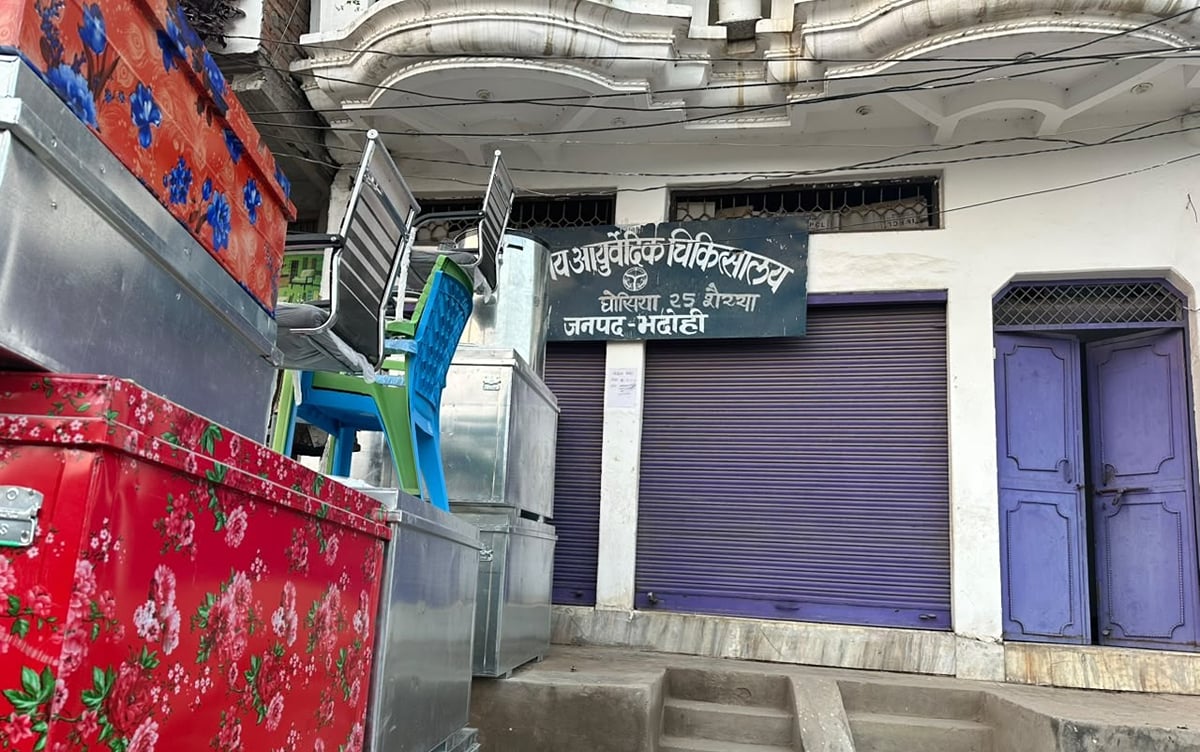
Bhadohi News: 26 में से 25 आयुर्वेद अस्पतालों में मरीजों को भर्ती करने के लिए एक भी बेड नहीं
October 9, 2026
1,115 views

In an effort to mitigate the adverse effects of the ongoing disruptions in global supply chains caused by the crisis in West Asia, the Indian government is actively engaging in discussions with key players in the petrochemical industry. Notably, the negotiations involve major entities such as Assam Petrochemicals and Gujarat Narmada Valley Fertilizers & Chemicals Limited (GNFC). The primary goal of these dialogues is to secure a stable supply of methanol, a crucial raw material for the pharmaceutical sector, which has been significantly impacted by these international disruptions.
Methanol is a vital component in the production of various pharmaceutical products. Its applications range from being a solvent in drug formulation to serving as a precursor for the synthesis of active pharmaceutical ingredients (APIs). The recent geopolitical tensions have led to substantial fluctuations in the availability and pricing of methanol, raising concerns among pharmaceutical manufacturers about their production capabilities and the overall stability of the supply chain.
The ongoing crisis in West Asia has created a ripple effect across various industries, particularly in the realm of supply chains that are heavily reliant on imports. The pharmaceutical industry is no exception, as many companies depend on a steady supply of methanol from international markets. With transport routes disrupted and production facilities facing operational challenges, the Indian government recognizes the urgent need to bolster domestic sources of methanol to ensure that the pharmaceutical sector can continue to thrive without interruption.
To address the looming supply crisis, the government is not only engaging in dialogues with Assam Petrochemicals and GNFC but is also exploring other domestic alternatives for methanol production. This multi-faceted approach aims to enhance the capacity for local production while reducing dependency on volatile international markets. The collaboration with these established firms is expected to lead to an increase in methanol availability, which is crucial for maintaining the operations of pharmaceutical companies across the country.
As discussions progress, the pharmaceutical industry is cautiously optimistic. The assurance of a stable methanol supply could mean the difference between maintaining production schedules and facing potential shortages that could disrupt the availability of essential medicines. Industry experts are advocating for a long-term strategy that not only addresses immediate supply concerns but also strengthens India’s position in the global pharmaceutical market.
In the wake of these discussions, there is a growing focus on sustainability and self-reliance within the petrochemical industry. The government is encouraging investments in renewable sources of methanol, such as biomass and carbon capture technologies. This shift towards sustainable practices is not only essential for environmental reasons but also for establishing a more resilient supply chain that can withstand future disruptions.
The ongoing negotiations between the Indian government and key petrochemical players mark a significant step towards securing the pharmaceutical industry’s needs amidst global uncertainties. By increasing domestic methanol production and exploring sustainable alternatives, India is positioning itself to not only safeguard its pharmaceutical supply chain but also to pave the way for long-term industry growth. As the situation evolves, stakeholders across the sector remain hopeful that these initiatives will lead to a more stable and self-sufficient future for the Indian pharmaceutical landscape.

Loading more news...
You've reached the end of our news feed. Check back later for more updates!