Health
BRICS Summit Backs Global Cooperation On Traditional Medicine, Proposes Expert Working Group Under Health Track
BRICS Summit Backs Global Cooperation On Traditional Medicine, Proposes Expert Working Group Under Health Track
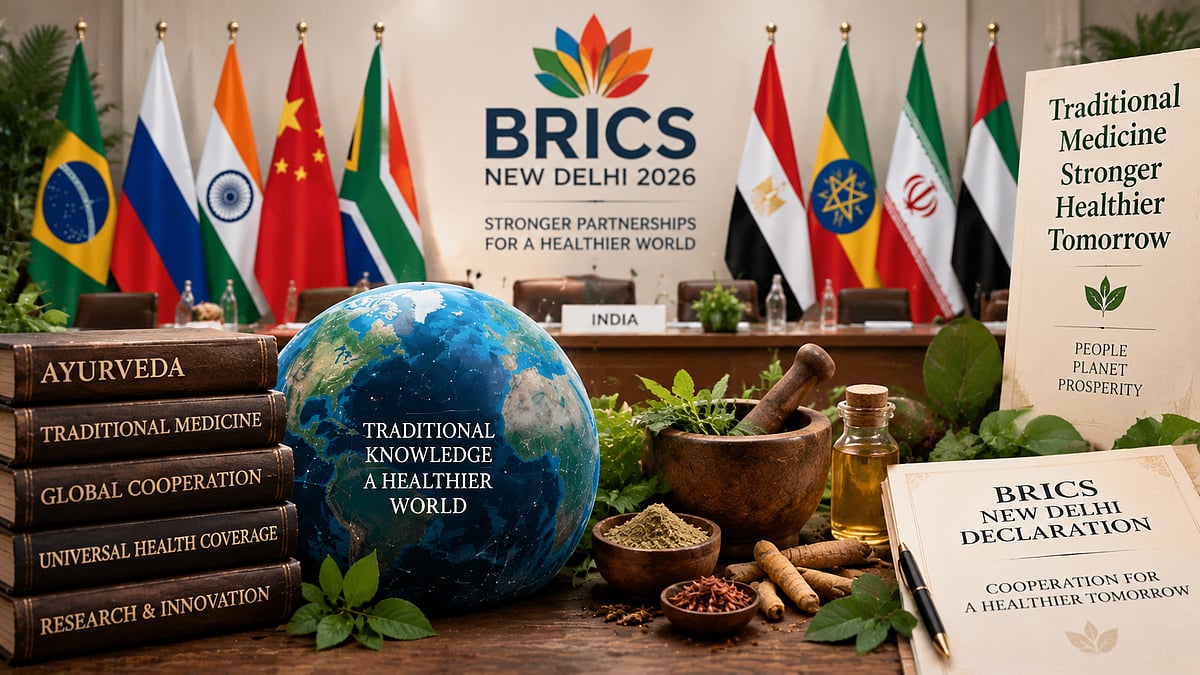
In a significant move towards enhancing healthcare collaboration, the recent BRICS Summit has underscored the importance of traditional, complementary, and integrative medicine (TCIM). The New Delhi Declaration, which emerged from the summit, highlights the collective commitment of BRICS nations—Brazil, Russia, India, China, and South Africa—to promote holistic health practices. This initiative is expected to foster a deeper understanding and application of traditional medicine, which has been integral to healthcare systems in many cultures.
Importance of Traditional Medicine
Traditional medicine has been practiced for centuries across various cultures, offering insights into natural healing processes that are often overlooked in modern biomedical approaches. With the growing global interest in alternative and complementary therapies, the BRICS nations have recognized the potential of TCIM to complement existing healthcare systems. The Ayush ministry of India has played a pivotal role in advocating for this cause, emphasizing the need for a structured approach to integrate these practices into mainstream health policies.
Collaboration among the BRICS nations is crucial in this regard. The diverse medical traditions represented by these countries—such as Ayurveda from India, Traditional Chinese Medicine, and various indigenous practices from Africa and South America—can provide valuable insights into effective health strategies. The New Delhi Declaration is a call to action for member states to work collaboratively in this domain, enhancing both the scope and efficacy of health options available to their populations.
Proposed Expert Working Group
The establishment of a BRICS Expert Working Group on TCIM is a landmark proposal aimed at facilitating dialogue, research, and knowledge exchange among member countries. This group will serve as a platform for experts in traditional medicine to share best practices, conduct joint research initiatives, and explore innovative ways to integrate these therapies into existing healthcare frameworks. The emphasis on research is particularly important, as it will help validate and standardize various traditional practices, making them more acceptable and accessible to a broader audience.
Knowledge exchange is another critical aspect of the working group’s mandate. By leveraging the unique strengths and experiences of each member nation, the group aims to create a comprehensive resource pool that can benefit all BRICS countries. This collaboration could lead to the development of new protocols and guidelines that harmonize traditional and modern medical practices, ultimately improving patient outcomes.
Health Track Under BRICS Cooperation
The creation of this expert group falls under the broader health track of BRICS cooperation, which seeks to address pressing health challenges faced by member nations. The COVID-19 pandemic highlighted the vulnerabilities in global health systems and the urgent need for diversified healthcare strategies. By embracing traditional medicine, BRICS countries can enhance their resilience against future health crises while promoting cultural heritage and local healing traditions.
BRICS Summit participants have acknowledged that traditional medicine often offers cost-effective solutions, particularly in low-resource settings. Integrating these practices can alleviate pressure on healthcare systems, reduce dependency on pharmaceuticals, and provide patients with a more holistic approach to health and wellness. The emphasis on collaboration also aligns with the United Nations' Sustainable Development Goals, particularly those focused on health and well-being.
Future Implications and Global Impact
The implications of this initiative are far-reaching. As BRICS nations move forward with this collaboration, the impact will not only be felt within their borders but could also inspire similar movements globally. The successful integration of traditional medicine into health systems could pave the way for other regions to explore and adopt alternative therapies, thereby enriching the global healthcare landscape.
Global impact may also manifest in economic terms, as traditional medicine can stimulate local economies through the cultivation and production of herbal medicines, creating jobs and supporting sustainable practices. Furthermore, the focus on research and development in this area may attract international partnerships and funding, fostering innovation and growth in the healthcare sector.
Conclusion
In conclusion, the BRICS Summit's endorsement of traditional medicine and the establishment of an expert working group represent a significant step towards a more integrated and cooperative approach to global health. As these nations work together to explore the synergies between traditional and modern medical practices, they not only honor their rich cultural heritages but also pave the way for a healthier, more inclusive future. The successful implementation of these initiatives will require ongoing commitment, collaboration, and innovation from all stakeholders involved.
In summary, the BRICS nations are taking a bold step by recognizing the importance of traditional medicine, which could lead to transformative changes in health systems worldwide. The proposed expert working group is set to play a crucial role in this journey, facilitating collaboration and research that could redefine healthcare paradigms and improve health outcomes for millions.
More News You Might Like


Loading more news...
You've reached the end of our news feed. Check back later for more updates!